
The Satinsky Archive
Citizen diplomacy in the 1980’s
Western Impact on the Transition to the Russian Market Economy
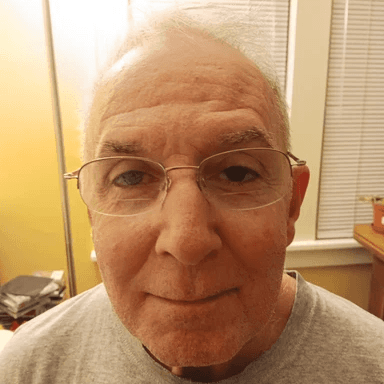
Paul Iremonger
Marine Resources Company, Inc.
Biography
Paul Iremonger is a specialist in Soviet and Russian economic engagement with extensive experience spanning the late Cold War and post-Soviet transition. He holds a master’s degree in soviet economics from Georgetown University and completed intensive Russian language training at the Monterey Institute of International Studies and Leningrad State University, following undergraduate studies in Russian Studies and Political Science at California State University, Fullerton.
Iremonger’s professional career centers on U.S.–Soviet and U.S.–Russian commercial cooperation, particularly in the Russian Far East and Moscow. He worked with Marine Resources Company as an at-sea American representative aboard Soviet factory trawlers, later serving as Assistant Operations Manager and American Director of MRC’s SovAm Moscow office. He went on to represent Caterpillar throughout Russia, opened and managed the Case Company’s Moscow office, and held senior leadership roles with DRC International and Sakhalin Machinery, where he established and led a Caterpillar dealership on Sakhalin Island. Fluent in Russian and deeply embedded in the region through both professional and personal ties.
Summary of Main Topics Covered
Paul Iremonger’s interview offers a firsthand account of U.S.–Soviet and U.S.–Russian commercial engagement from the late Cold War through the turbulent post-Soviet transition, grounded in practical, on-the-ground experience rather than policy theory. Fluent in Russian and trained in Soviet economics, Iremonger describes his early work with Marine Resources Company (MRC), including service as an American representative aboard Soviet factory trawlers and later as American Director of MRC’s SovAm Moscow office. His narrative reveals how joint ventures, barter trade, and shared management structures enabled cooperation despite non-convertible currency, political tensions, and sharply different business cultures.
The interview traces the evolution of this engagement into the 1990s and 2000s through Iremonger’s leadership roles with Caterpillar, Case Company, DRC International, and Sakhalin Machinery, including the opening and management of offices and dealerships in Moscow and Sakhalin. Along the way, he reflects on the challenges of building distribution networks, navigating Russian institutions, and adapting Western corporate practices to local realities. Taken together, his experience illuminates the rise and limits of market reform, the shifting balance between regional initiative and central control, and the human relationships that sustained cooperation during a fleeting period of openness—making this interview a valuable record of how American business practitioners helped shape, and were shaped by, Russia’s economic transformation beyond Moscow and Washington.
Daniel Satinsky: Okay, so let’s start by why don’t you just give me a little bit of your background about how you first got interested in Russia, and then we can go from there.
Paul Iremonger: Sure. I’m of the generation that had to get under our desks in first grade, and just—
Daniel Satinsky: I remember it well, yes.
Paul Iremonger: I don’t know how old you are, but 1958, and Mrs. Bittenbinder’s first grade class. She clapped her hands in the middle of a lesson and we all had to run to the coatrack, get a coat, go out in the hallway where the structure of the building was supposedly better and stuff, kneel down, put the thing over your head, and hope you didn’t get blinded by the flash of Khruschev’s bombs coming at us.
Daniel Satinsky: Right.
Paul Iremonger: Who are these people? You know, I’m seven years old and people are trying to bomb me? You know, I’m watching the Yankees and I’m worried about, you know, just life in general and stuff, and eating ice cream and stuff. And it always stuck with me, this stuff. So, I went through two different job careers, different fields, and then the second one I just, after six years I just got tired of it and decided well, I’m going to go back to school. And I was in California, Southern California, and Cal State Fullerton had an amazing, very inclusive Soviet studies program.
Practically every field you could think of, from language, to geography, to obviously language and political science and stuff like that. I think even the physical education department had one course as well.
I jumped in with two feet, had no idea how I was going to make a living out of this, and so… Before that I went to, the summer before that Monterey Institute of Foreign Studies, did a ten-week program on…intensive living there and everything—in Russian language, because I knew no Russian at all.
Daniel Satinsky: What year was this?
Paul Iremonger: That was 1977. So, then I got through that, I got my undergraduate degree in Soviet studies and political science, and I was lucky enough to apply and get accepted to the CIEE program in Leningrad, and so I spent a summer semester in Leningrad. And that’s when I fell in love with the country because the people were just fantastic. This was 1980. And then I just, I knew I’d done the right thing.
So, now I’m really excited. I got accepted to Georgetown in their Soviet economics program, did that, and through a professor who was a visiting professor who was a former president of the U.S.-USSR Trade and Economic Council, had a class. And we all took that, and we all just hung around him trying to find jobs and stuff, so… And he told me about this job in Seattle—
Daniel Satinsky: Let me just interrupt you. This was a master’s program?
Paul Iremonger: Yes, uh-huh.
Daniel Satinsky: Okay. And do you remember the name of this professor, just out of curiosity?
Paul Iremonger: It was Kempton Jenkins. He was a State Department guy, well written. You can look him up.
Daniel Satinsky: Yeah, okay. And then he pointed you towards a job in Seattle?
Paul Iremonger: Yeah. That and St. Louis had…Purina had cattle feed sales to the Soviet Union. That’s the one I was going for because that was a big company and stuff, but then it didn’t work out, so I wound up with Marine Resources. The best thing that ever happened to me because what—do you know about Marine?
Daniel Satinsky: No, I want you to tell me about Marine Resources because I think it’s pretty significant and pretty not well-known, I think. I know it’s well-known among you who all participated in it, and probably in the Seattle area, but I think generally people don’t know about it, so really, please, tell me.
Paul Iremonger: Yeah, it was…the owner of Bellingham Cold Storage, which at the time was the largest cold storage facility on the West Coast, had an idea that Soviets used to fish in our waters up to 12 miles, and then we established a 200-mile limit. They couldn’t fish in our waters anymore. They were too far out to catch any kind of fish; it was too deep. And so he thought, well, I know that the West Coast fishermen are looking for new markets to sell and stuff, let’s see if we can put the two together.
The Soviets still needed the protein, and they had the processing vessels. And American fish, so he said well, why can’t the American fishermen catch it. And this was, you know, an undervalued species like hake, yellow fin, so a little small, a little flounder type thing that Americans didn’t want and it didn’t make much money. And a catcher boat is only 90 feet long, and their holds wouldn’t hold a lot—the cost of taking that back into land, it wouldn’t pay for the fuel and stuff.
So, he thought that was a good idea. And in the end it worked out. So, we brought Soviet processing vessels over here and to the Bering Sea, off the coast of California, Oregon and Washington, and we even had a fleet up in Canada. So, they needed people on board, Russian speakers, to be the liaison, because you’re sending fish, maybe 50 tons, in a net between high seas, between two vessels and stuff. So, I was on the radio coordinating everything and stuff. And that’s when I learned to speak Russian, because I’m the only non-Russian speaker on the, you know, native Russian speaker on the boat.
Daniel Satinsky: And so you were on the Russian boat.
Paul Iremonger: Yes. We’d be out there for months at a time. And up in the Bering Sea I was on what they call plavbaza[^1], a huge vessel, 600 feet, and I’d go on that. Two summers I—or two years I worked on that. And then I think it was like six months at a time be on that guy.
Daniel Satinsky: Describe those boats a little bit more. I mean, were there a lot of boats that participated in this, and were they large? Tell me more about them.
Paul Iremonger: Yeah, the RTMs were probably 150 feet long, and they were processors. They were trawlers, too. They used to catch themselves and stuff, so now we’re just transferring the fish over to them and they’d process it. The big boat was not a trawler, but it would take huge tons of fish at a time. That was in the Bering Sea. Usually, I was in the West Coast fleet. There were probably about 14 processors, and a fleet of, I don’t know, maybe 20 catcher boats, and that was it.
Daniel Satinsky: And the catcher boats were the Americans?
Paul Iremonger: Yes.
Daniel Satinsky: And so what did the Russians think of you? I mean, how did they react to you being on their boat?
Paul Iremonger: The Russians, this was Soviet times, right? Leningrad, that’s…I was just amazed at how wonderful the people were. I mean, they didn’t have anything, you know, so when they made a friend, they made a friend, you know. The word droog in Russian translates to friend, but it doesn’t translate because a droog, you’ll do anything for them, you know. If, say, you and I are friends, and I’m in a spot, and I need money, in America you never ask a friend for money.
Daniel Satinsky: Right.
Paul Iremonger: You had somebody you can trust in the Soviet Union, you wouldn’t even think about it, you’d just give them the money. They just got into it, you know, and they just, they didn’t have the creature features that we had and stuff, and it was just…and it was great. It was just…it was fantastic [on] there.
Daniel Satinsky: And the sailors were the same? Would you form that kind of relationship with the sailors?
Paul Iremonger: Oh, definitely, yeah. On the deck, yeah. I mean, I was helping them, you know. You get this fish and it just floods the…and you’d be knee deep in fish on the deck and stuff, and then so you’d have to push it in with these wooden things they made, they just made just in a shop or something, and you’d push it down there. When they rang the bell on the factory you’d push more down, and they rang it again you’d stop because they were filled up. And I would help them do that and stuff, and just, you know, it was just, oh, it was wonderful.
Daniel Satinsky: And so, what, you had like a cabin that you lived in on the boat?
Paul Iremonger: That’s the other thing. I was in the United States Coast Guard, and I was on an icebreaker, went up to Greenland and Iceland, and the bunks that we slept in were five high. You had to decide before you got in the bunk whether you were going to sleep on your back or on your stomach because they were so close together you couldn’t turn around.
Daniel Satinsky: Wow.
Paul Iremonger: The Soviets gave me a whole, you know, just a room to myself with a refrigerator and just…it was just amazing. With a window that opened up onto the sea and stuff. They took care of me.
Daniel Satinsky: Yeah. And so obviously you learned Russian in a way that few Americans in those days understood Russian. I mean, this was the way real people speak then. It must have been quite a learning experience in that sense as well, right?
Paul Iremonger: Yeah, well, Leningrad set me up for that. And these weren’t Russians, these were Soviets, and it’s a big difference. Big difference. Compared to, you know, I mean, I’ve worked in Russia more than I worked in the Soviet Union, and it’s two different countries.
Daniel Satinsky: Yeah. So, how would you describe the difference in those times, in Soviet times? What was it that sticks out in your mind about that, and about the way the people reacted with you, the sailors that you encountered?
Paul Iremonger: They just took me in as one of theirs, you know. On the big plavbaza out in the Bering Sea, I mean, it was a floating city. They had a library; they had a dance hall Saturday nights. They had a band and a dance. Between—there was two houses, fore and aft, the places where people lived, and there was a deck where we put a net on top of the…strung across there and we played volleyball at the net there so the ball wouldn’t go on the ocean and stuff like that. It was just a floating city. It was just…oh, it was just great.
On that strip there were 12 of us—no, three, I’m sorry, three Americans, and there was a government person that counted the fish and so would give the information back to the American authorities on how much fish we were getting and stuff, and then two reps. And we’d work 12 on, 12 off, and it was just great. You just got to spend time with these people and it was just wonderful.
Daniel Satinsky: So, you played volleyball and played cards, hung out? What did you do in your off time?
Paul Iremonger: Yeah. Well, we read a lot, that’s for sure. But yeah, we’d just, you know, hang out with the, especially the deck hands because we were always down there on the deck in back because that’s where you did your work. you had to make sure that the ships were lined up and…I mean, it can be deadly, and I saw some things that were not so good. Because when you’ve got 50 tons of fish on the high seas and you’re trying to transfer it, and it’s tough. But yeah, we got to know the deck hands real well.
Daniel Satinsky: Yeah. And how many deck hands were there? Was it 100, 12, 15?
Paul Iremonger: It was about 250 people on the crew and stuff, so deck hands probably 20.
Daniel Satinsky: Okay. And you got to know all of them pretty well?
Paul Iremonger: Yep.
Daniel Satinsky: And so how did this work? I mean, there’s no convertible currency at this time, so do you know how it worked business-wise? How did the American fishermen get paid by transferring this fish to these Soviet processing vessels? How did they get paid?
Paul Iremonger: It was all barter. They’d get to keep the high volume, low value species, because the Soviets needed the protein, especially in the Soviet times, and stores were pretty bleak. And those fish, you look at it, you don’t want to eat it, from an American standpoint. And they gave us king crab in return, because what they were doing with king crab is just canning it. And you can go to a restaurant and get $50 for a crab leg or something like that, so we got it and we just marketed it over here. It was very profitable for us.
Daniel Satinsky: Oh, okay. So, they were catching the king crab on the same boats that you were processing—
Paul Iremonger: No, no. We couldn’t do that, no.
Daniel Satinsky: Oh, it was different boats.
Paul Iremonger: The Coast Guard was out there, and they made sure we weren’t doing that. It was caught all in Kamchatka and—
Daniel Satinsky: Oh, okay. They brought them from Kamchatka and shipped it in there with some exchange rate established for barter.
Paul Iremonger: Exactly. Every year we’d barter, dicker back and forth what the exchange rate would be and everything.
Daniel Satinsky: Yeah. And were the American fishermen happy with this arrangement?
Paul Iremonger: Oh, well, yeah. Especially on the West Coast because you couldn’t have a better thing. You’d be catching fish, and those were probably more like 20 tons, 25 tons, nets, and you deliver it, and an hour later you’re fishing again. If they had to put that in their own holds and drive back, I don’t know, 50 miles to the processing place on land, it wouldn’t pay for the fuel because the fish weren’t worth that much.
Daniel Satinsky: Right. So, what was the role of the Talbots and cold storage company? How did they fit with this scheme? Other than setting—they set it up and they set up the company that managed this whole process, but that company—just trying to get a sense of the business arrangement, how this worked. Could you describe that a little more?
Paul Iremonger: Yeah, it was a very small office. I mean, it was probably 15, 16 people in the office. But the moneymaker was the marketing department. We’d catch crab [correction: Soviets caught crab] and then they [Marine Resources Company] were marketing crab like crazy to restaurants and all over the place.
Daniel Satinsky: So, the Marine Resources Company received the crab, sold it, and then paid the fishermen. Is that how it worked?
Paul Iremonger: Yep, mm-hmm.
Daniel Satinsky: Oh, okay. So, the fishermen weren’t responsible for doing any marketing or off sales, they just brought it in and brought it to Seattle, and Marine Resources Company then sold it.
Paul Iremonger: Well, the fish that the catcher boats, the Americans caught, went to the Soviet Union.And then—
Daniel Satinsky: And then would go to the Far East for processing and finalizing.
Paul Iremonger: Well, processing was done on the ships. They were processing vessels.
Daniel Satinsky: But they weren’t canned or anything, they were…
Paul Iremonger: No. They were gutted and—
Daniel Satinsky: Gutted and frozen?
Paul Iremonger: Yeah.
Daniel Satinsky: And then the frozen fish was taken to the Soviet Union—
Paul Iremonger: Right.
Daniel Satinsky: Was it like canned or was it then distributed as frozen fish in—
Paul Iremonger: Frozen blocks. Frozen blocks, and they would go to the stores, and you’d see them in the dimly lit stores in the Soviet Union, and you’ve got this fish that Americans didn’t really want to eat, but the Soviets needed protein, so…
Daniel Satinsky: Right. And how big an operation was this? Was this a substantial amount of fish and protein that was involved with this?
Paul Iremonger: Tons and tons. I have no idea what the [gross tonnage was].
Daniel Satinsky: Yeah, but tons and tons, yeah.
Paul Iremonger: Yeah. And we were fishing almost all year around. And we also had the yellow fin sole fleet up in Alaska, but not in the Bering Sea, so there were four fleets with the Canadians and stuff, so there was…
Daniel Satinsky: Ah, and those were Canadian boats that were—
Paul Iremonger: Canadian catcher boats delivering to the Soviet processors, yeah.
Daniel Satinsky: So, were they also working through Marine Resources?
Paul Iremonger: Yes, mm-hmm.
Daniel Satinsky: Okay. So, Marine Resources was a small core group. It was a pretty large volume fish producer, correct?
Paul Iremonger: Yeah, and seller of crab, basically, just because we had a supplier of crab then. [It goes] to our supplier and stuff, so…
Daniel Satinsky: So, you know, this was Cold War times. I mean, was there negative reaction to…in the general public or people that, like, what are you guys doing? You’re helping the Soviet Union. I mean, was there any of that that you experienced?
Paul Iremonger: Certainly not from the American fishermen. They had a market that they never expected to get. I don’t know about people. Like you said, nobody really knows the company, so I don’t know that there was anything. I mean, it took an act of Congress to put this together and stuff to allow us to do it.
Then of course negotiations with the Ministry of Fisheries in Moscow, and it took a while to put it together. You know, it worked. Now of course it died when…because of the fish supplies, the Americans stopped joint venture fishing. And this is—I don’t know what year that was. Probably…I don’t know, ‘90s or something.
Daniel Satinsky: What, the fish was becoming fished out?
Paul Iremonger: Yeah, yeah. And that’s why you had the observer on board, the U.S. government observer, to see how much fish was being caught and stuff.
Daniel Satinsky: I see. And part of why, when I learned about this it was interesting because, you know, I thought under Soviet legislation there weren’t joint ventures until the late perestroika period where a law on joint ventures was passed, and there were these new joint ventures in—one called Perestroika that built office space, and the Trenmos, which was a restaurant in Moscow, and—
Paul Iremonger: A guy [Jeffrey Zeiger] from Trenton, New Jersey, yeah. I ate there many times.
Daniel Satinsky: Oh, you ate there many times, all right, so it’s familiar territory. But, you know, this was so early that I don’t…you know, there had to be special arrangements to make this work.
Paul Iremonger: Oh, yeah. The fishermen lobbied for it, and went to Washington, and it just made so much sense that eventually both sides said, well, let’s try it, and it worked until we stopped having a joint venture fishing in the United States, and then we had to do other things.
Daniel Satinsky: So, when—how long were you with the company, with Marine Resources?
Paul Iremonger: Four years.
Daniel Satinsky: Four years, okay. And you were on the boats all that time, right?
Paul Iremonger: No. I was only at sea about two and a half years. I worked my way into the operations department, and that was my goal, was to not be an at sea guy for the rest of my life. I think we could make $50 a day or something like that. So, I was able to get into that. And then, because of the restrictions on joint venture fishing, we opened an office in Moscow. The other office was in Nakhodka in the Soviet Far East.
And that was…there was an American there. Every office had—it was 50-50 joint venture, straight down the middle, so every office had an American director and a Soviet director. And I was lucky enough that we opened up a company called Sovam, which was a trading company, and we represented Western companies that wanted to sell into the Soviet Union and Russia. Actually, at that time it was probably Russia. It was probably the early ‘90s. No, that’s not true. It was 1988 is when I went over there. Tony Allison was the first director, Moscow director for that company, and then I replaced him after he was there two years, and I replaced him. And I was there for…I was four years in Moscow with that company.
And then things got tough financially, so they didn’t want me there anymore, and pay my salary, so I got another job in Moscow. I wasn’t leaving.
Daniel Satinsky: So, what kind of companies were selling into Russia that you represented?
Paul Iremonger: Mostly timber and fishing industry. There was an Icelandic company called Marel that made scales that would compensate for weighing fish at sea when you’ve got the waves going up and down and stuff like that, and the scale is going. And they had a very good product that you could accurately weigh the fish at sea. There was another Canadian company where you had fish pumps. You’d take the fish out of the holds through a pump instead of put them in nets and put them in there and stuff, and it didn’t harm the fish, and things like that. And then timber industry also.
Daniel Satinsky: And you were in Moscow doing this, right?
Paul Iremonger: Yes.
Daniel Satinsky: Because the purchasing was done through Moscow for…because everything is centralized.
Paul Iremonger: Right. So, I was trying to, yeah, find…I mean, yeah, we sold everything. Like Weyerhaeuser, we had millions, I don’t know how many millions of cardboard boxes that were waxed so you could put fish in them, so Weyerhaeuser would have to stop production on everything twice—we had that sale twice. And at that time Tony was in Moscow and I was here. We’d go down to Astoria and to Oregon and load the Soviet vessel with these, and it took three days to load all the boxes and stuff in there. One of our big sales.
Daniel Satinsky: Yeah, so who stopped the joint venture fishing? Was it the U.S. side or the Russian side?
Paul Iremonger: U.S.
Daniel Satinsky: U.S. side said no more joint venture. It’s why you pivoted to the products.
Paul Iremonger: Right, yeah.
Daniel Satinsky: Okay, so Marine Resources had the broader company Sovam, which was the trading company.
Paul Iremonger: Right. And I’m in my glory. I mean, I never pictured myself, through this company, working in Moscow and being director at the office.
Daniel Satinsky: Right. Where were you—
Paul Iremonger: And I’m from the New York, New York area, and Moscow is just like New York. I had it wired.
Daniel Satinsky: Ah, okay. What years were you there as that, in that capacity?
Paul Iremonger: ’88 to ’92.
Daniel Satinsky: ’88 to ’92. So, you were there during this whole transformation that took place, right?
Paul Iremonger: And I’ve got stories about that if you want to hear them.
Daniel Satinsky: Yeah, sure, I’d love to. So, you know, you—so you ate at Trenmos, you were there when perestroika was sort of opening up cooperatives and, you know, some of this economic change. And then all of a sudden did you have any idea that the Soviet Union was going to dissolve to, when—did all this…did you feel it happening or was it a surprise, or how was it in those years being in Moscow?
Paul Iremonger: Very surprising. It was…it just took everybody by surprise. I mean, who’d a thunk it? I mean, it was just, you know, Gorbachev and everything was just…it started with Yeltsin. And it was…it was, yeah, I mean, blindsided. Never thought that. And here I am, right in the middle of it.
Daniel Satinsky: Right. So, you were…did you witness any of this kind of street demonstrations and activities that went on around that time while you were there?
Paul Iremonger: You want to get into that?
Daniel Satinsky: Yeah.
Paul Iremonger: Okay. Yeah. Yeltsin—and I forget what year it was, ’90, ’89-’90, was supposed to give a rally in Manezhnaya Ploschad, Manezhnaya Square, which is, you probably know, bordered the National Hotel, the Kremlin, the armory, bordered this big square. And I wanted to go down there, and I was coming from our office, which was in the Budapest Hotel, and I had to go past the Bolshoi Theater. And if you’re looking at the Bolshoi from the street, on the right side were just miles—not miles—but you couldn’t see the end of the tank lines. On the other side was the personnel carriers and the soldiers, on the left, the street on the left of the Bolshoi as you’re looking at it.
So, I rode past that and thought oh man, this isn’t…I don’t know. So, I get to the square and I’m looking up to see if there’s snipers on the roof, so I didn’t know what to expect, and so I was a little nervous. And all of a sudden there was just this loud noise, it’s huge, you know, the tanks started up. And it’s about probably 350 meters, maybe, from the Bolshoi to the square. So the tanks come, and the people that were there were very inventive. They took—you know the trolleybuses that, you know, you just, you put the lines up on the wire on the head and stuff, and there’s no motors in them. So, they took, they grabbed a couple of those, they pulled down the bars, and they put the electricity to it, and they pushed them across the road leading into the square. And so the tanks were blocked, and then plus there was traffic in front of them that was blocked and everything. And we thought man, this ain’t good, because they’re going to shoot this thing. And they didn’t. And it was…it was a standstill for a while. And then finally they got the troops to move the bus and everything, and the tanks came in.
I wrote an article that started with if you’ve never experienced tanks, they’re loud. They’re especially loud on asphalt. And they were loud. And yeah, it was just…it was amazing. But it was, except for the four kids that got crushed in the tunnel by the American embassy on a ring road, nobody got hurt. It was just…it was…it was a party. I mean, it was surreal. It was eerie. You’re walking down Kalinina[^2], the street, one of the big streets that goes into, that spokes off the ring road to the Kremlin, and you’re walking down the middle of the street because it’s just always a traffic jam and everything, and nobody, there’s no cars or anything. it was just…it was just eerie, really, really strange.
So, I’ve got pictures of soldiers in Manezhnaya Square eating ice cream, a tank guy on top of his tank reading a newspaper or something like that. Now CNN, being a news company in America, they’ve got to sensationalize it, and they were going oh, this is a…this is going to be havoc, and they’re going to kill people and stuff. And it wasn’t like that at all. It was…they were there, and the presence was there, but there was nothing that happened.
Now, fast forward to what, three years later, the second putsch. That’s the other thing. I had another article I wrote. You know the putsch is in trouble when the tanks stop for red lights. That was the article I wrote on that, because it was so benign, although the presence was obviously there and stuff. But when we had the second putsch, that was deadly serious. I mean, we all remember the tanks shooting a round through the White House, the parliament building. CNN made sure we saw that.
Daniel Satinsky: Where were you? Where were you when—
Paul Iremonger: This is…fortuitous that I was not there, because there were people in the White House and other places who were sniping and just picking off civilians. Ostankino, the tower, the radio tower out by the parks, journalists were killed there and shot and stuff like that, because people were around there demonstrating. I was working for Caterpillar at the time, and I had a trade show to do in Leningrad or St. Petersburg—I don’t know if it was St. Petersburg then yet or still Leningrad—and so I had a midnight train that I almost missed because there were no cars that night before the big rallies were going to happen, and the guy, the driver who was supposed to pick me up didn’t show, and I’m on the street with all these placards and stuff that I’m going to put up for the trade show. Finally, somebody came by and stopped and took me to the train station. I just got the train as it was about to leave, and so I was in Leningrad, or else I would have been in harm’s way. I would have been at one of those two places. Not that I would have gotten shot, but the potential was there. That was real.
Daniel Satinsky: Wow. Well, kind of going back to the job aspect of this, so Marine Resources, you left there. They closed their office in Moscow, is that right?
Paul Iremonger: No, they just went with Russians.
Daniel Satinsky: Oh, okay. And how long did they last as a company?
Paul Iremonger: You know, I don’t know. Probably another two, three years.
Daniel Satinsky: All right. I’m going to interview Tony and I will ask him.
Paul Iremonger: He’ll know that, yeah. Tony wound up being the head of the company in Seattle.
Daniel Satinsky: Ah, I see, okay. Well, he’ll definitely know then.
Paul Iremonger: He’s an amazing person. You’ll enjoy him.
Daniel Satinsky: Great, I’m looking forward to it. And then, so then…so Caterpillar was there in Russia. At that time, it was Russia. And they had an office there or…?
Paul Iremonger: Yes, they did. And it was the only Caterpillar office in the world that sold directly, Caterpillar sold directly. They had a dealership there. [Clarification: Caterpillar had direct sales in the Far East until they started to develop dealerships in 2000.] And they were trying to sell their…push their forestry equipment. And I had a lot of experience in that because I was doing that with Sovam stuff, so they hired me. And my territory was—just as a salesperson—and they hired me, and my territory was the former Soviet Union, so I was just always on planes. You know, the Aeroflot planes back then were not the first-class type things.
My favorite story was—I always kept a notebook, and I wrote the things that you’d see. The carpet on the floor was not cemented down, and it would just ball up and you’d trip on it and stuff like that. I was in Siberia once during a snowstorm, probably Novosibirsk or someplace like that, and I’m sitting in a window seat over the wing, and I see something out of my eye moving. I look and they were deicing the plane. Guy with a broom standing on the wing pushing snow off. [Laughs.] And I’m thinking to myself do I want to take this plane?
Daniel Satinsky: That was a real decision to make, really, right?
Paul Iremonger: Well, yeah. But the Soviet pilots are…there’s a special academy just for commercial pilots. They don’t take military people like they do here and around the world. And they are probably the best pilots I’ve ever seen because the conditions they had and the equipment that they were flying was just ancient and terrible and stuff. They were really, really good. I remember coming home from Moscow to New Jersey, where my parents lived, and there was a snowstorm while I was there, and they closed down JFK, but two planes landed, the Ukrainian flight and an Aeroflot. They interviewed the pilot from the Aeroflot flight and said how do you do this? He says if we don’t fly in snow, we don’t fly. We live in snow. They’re really good, so….
Daniel Satinsky: Yeah. And so was…Caterpillar was pretty expensive foreign equipment at that point, so was there, you know, what kind of custom—were your customers Western-backed joint ventures, or were they actual Russian enterprises that had cash somehow, or convertible currency to buy this expensive equipment? How did that work?
Paul Iremonger: In the beginning it was mostly just government. You had to go through the Ministry of Foreign Affairs, and they [make a deal] and stuff, so it was all government money. So, you know, they’re selling timber to Japan and places like that, and they want to be able to get it out and stuff like that, so… I logged up a lot of frequent flyer miles on air flight.
Daniel Satinsky: Yeah, yeah. I bet you weren’t able to use them for much. [Laughs.]
Paul Iremonger: [Laughs.] For some reason they didn’t have the program. I’m not sure.
Daniel Satinsky: And so even though you were based in Moscow, you had to go to the Far East to make the sale, but where…were the headquarters of all these companies in Moscow? Is that where the business was done?
Paul Iremonger: No, they just got the money from the government.
Daniel Satinsky: Oh, okay. So, you had to go out and convince them to buy Caterpillar and not Komatsu or some Japanese or some domestic alternative equipment?
Paul Iremonger: Yeah, that was part of it. But, you know, I didn’t know anything about the technical side of the equipment I’m selling, but they did. I mean, so they knew that stuff so I didn’t have to worry about going to an engineering school or something to go out [selling].
Daniel Satinsky: Right. So, they knew what they wanted, in other words.
Paul Iremonger: Yes. Yeah.
Daniel Satinsky: And if your specs matched what they wanted, they wanted to buy it.
Paul Iremonger: Exactly, yeah.
Daniel Satinsky: And so what was the sticking point? It had to be price, right?
Paul Iremonger: Yeah, we’d negotiate the price and stuff. But if the Ministry of Forestry thought that they could make a profit with better equipment, they’d buy it. You know, you get the fork out the money and stuff, so…
Daniel Satinsky: Yeah. And was it a good market for Caterpillar?
Paul Iremonger: Yeah, yeah. I did well. I did well and stuff. I got a percentage of the sales and stuff. I actually bought two houses. Because you can’t spend much in Russia, so I said well, I’ll buy houses in Seattle.
Daniel Satinsky: And so were you coming back to the U.S. frequently or not frequently?
Paul Iremonger: Not frequently. Maybe twice a year. Well, it depends. I mean, I would take these people, especially if they bought, take them to the States and wine and dine them and stuff like that, you know.
Daniel Satinsky: I see. Yeah.
Paul Iremonger: Also take them to the factories to see what’s going on and stuff like that.
Daniel Satinsky: Yeah. Where was Caterpillar’s headquarters?
Paul Iremonger: In Moscow.
Daniel Satinsky: Yeah, but I mean in the U.S. Where would you bring them in the U.S.?
Paul Iremonger: Oh. Caterpillar was in Peoria, Illinois. They’re in Chicago now. The big three are all together—Racine, Wisconsin, Peoria, and now Chicago for Caterpillar, and then in Iowa for John Deere.They’re all together, so yeah.
Daniel Satinsky: So, how long did you stay with Caterpillar?
Paul Iremonger: I was there until…four years I was with them. And the guy that hired me got transferred someplace else, and the new guy wasn’t really keen on me, and so I went looking for a job. And Case, another, you know, from Racine, Wisconsin was looking to open an office, so I interviewed for that and I got that job. So, I opened an office for them there and then ran it for two years.
Daniel Satinsky: And when was that?
Paul Iremonger: ’97, ’98, ’99.
Daniel Satinsky: So, you were there for the ’98 financial crisis.
Paul Iremonger: Exactly. And they closed their office then, too, so yeah. And I wound up going back to Seattle for two years.
Daniel Satinsky: So, they closed in ’98. Did they ever reopen?
Paul Iremonger: No. They didn’t.
Daniel Satinsky: So, ’98, so that was a pretty big event for Western businesses in Moscow, I mean, as I understand it, right? Some never came back and others did after a while.
Paul Iremonger: Yeah. I don’t want to bad mouth Case, but they weren’t as organized as Caterpillar.
Daniel Satinsky: Did Caterpillar close in ’98?
Paul Iremonger: No. They stayed because they started building dealerships around. When I went back in 2001, I was working for a small company here in Seattle, and they put me in their Yuzhno-Sakhalinsk office because there was a lot of oil and gas projects offshore there. You had Exxon, and Shell, and Gazprom, and Lukoil and all the big oil companies, Russian and American that were foreign, and then that didn’t work out. We didn’t see each other then.
But Caterpillar wanted to open a dealership there, so they hired me to start from scratch, which was the most difficult job I’ve ever had. Started with seven people in a small two room office in central Yuzhno-Sakhalinsk, and then we bought a metal shop, it was huge, but also needed equipment and stuff, and we had to dig that stuff out of the cement and everything, get rid of it, and renovate the building and everything. It took me 13 years to get it going, but we had one of the—
Daniel Satinsky: You were there for 13 years?
Paul Iremonger: Yeah. I finally got the right team going probably 11 years into it. We’d have anywhere from 50 to 75 machines on site, and with all the requirements of the oil companies having it on site was what sold. It was right there. They’d come in, kick the tires and that type of thing. Plus, now the other thing, Caterpillar does generators, and that was really big. Exxon, for example, instead of having oil platforms at sea, they would slant from the beach out to the pockets of oil. We’d go 14 kilometers and stuff like that. That’s the northern part of Sakhalin Island, minus 40 degrees up there in the winters. You had to have reliable electricity and stuff like that, and we sold the backup stuff for that stuff. So, I had to— they were not, trained, but get trained, all these people I’m hiring and stuff. When I left there was about 135 people.
Daniel Satinsky: Wow. Started with seven people.
Paul Iremonger: I don’t know what the dealership is in Boston, but there would be no difference the way it ran except you probably had higher sales than we did. We were more like probably a $70 million company, in [gross] sales, but we were the same standards as NC Machinery here in Seattle and stuff, so…
Daniel Satinsky: Right. And Caterpillar kind of stuck with you for that period of time then.
Paul Iremonger: Yeah. Actually, I had two years left on my contract and I left because my son—I think I told you I have two sons, and they’re Russian. My wife’s Russian. So, he wanted to go to high school in the U.S., so I pulled the pin early. A chunk of change on the end, on the table, but… In Russia there’s no high school interscholastic sports. If you want to play sports you join a club—Spartak, Dynamo, Red Army, so when you play one sport you play all year around. He wanted to play baseball and American football and stuff like that, so I pulled the pin and we came over here in 2015.
Daniel Satinsky: Did you meet your wife there in Yuzhno-Sakhalinsk?
Paul Iremonger: Yeah. It was when I was with Caterpillar as a salesperson. I used to go to the Far East. She’s from Khabarovsk in the Russian Far East. And because Caterpillar didn’t have people like myself that would travel until they hired me, and didn’t have dealerships, they used Mitsubishi as their Far Eastern agent, I would say. So, she worked for them and stuff, so yeah.
Daniel Satinsky: And how did your son know about American sports?
Paul Iremonger: Well, we used to…we traveled all over the place and stuff. I actually was a baseball coach in Moscow. In 1988 it was an Olympic sport, so the Soviets wanted to develop a baseball program. And so, I was able to be an unofficial coach of the 14- and 15-year-olds, the team that they had. They built a baseball field on Moscow State University campus. I was there for the opening. University of Miami played a Japanese college. And Peter O’Malley was there, and a lot of people were there and stuff, and it was pretty cool. But yeah, so I got to coach baseball. That was pretty cool.
Daniel Satinsky: Yeah, yeah. And did you coach baseball later in the Far East? Was there actually interest in baseball?
Paul Iremonger: It was a little bit, but not enough to really get involved in and stuff, so…
Daniel Satinsky: Did baseball become a thing among kids?
Paul Iremonger: No, because the funding dried up and so they never followed through with it and stuff, so… It’s a shame because some of these kids, you know, invested three years of their lives to do this, and it didn’t work out.
Daniel Satinsky: Didn’t work out. So, were there many other Americans and expats in Yuzhno-Sakhalinsk while you were there?
Paul Iremonger: There were tons and tons. These are big oil companies with deep pockets. They built the world’s largest LNG plant there and stuff. This was, the magnitude was crazy. I mean, to have the amount of machinery that we had just on hand was a lot of money, but we sold enough of it that we were making money.It was…
Daniel Satinsky: And so what did that mean in terms of the character of the city? Were there lots of bars, restaurants, you know, things that catered—I don’t know, health clubs—things that catered to foreigners there?
Paul Iremonger: Definitely. And then the Russian people there were…a lot of them were well off. But yeah, there was a Korean consortium that was going to build a 27 hole golf course with a hotel complex and all that stuff, and spas and things, and their Russian partner tried to steal it from them and stuff, and it fell apart. But they’d already built nine holes. They used my equipment, by the way. They rented my equipment to build it. And so we could play golf. I lived six minutes from the ski gondola, so in wintertime we could ski and stuff.
And yeah, expat bars all over the place and stuff. And it was just crawling with expats. Very few Americans, but…they tended to be Brits, and Aussies, and Kiwis, and Dutch and stuff from Shell and all that stuff like that, but yeah. It was definitely a fun place to be. And the beaches and the fishing were all great. It was a fun place to live.
Daniel Satinsky: Yeah. How long was winter?
Paul Iremonger: I guess the first snow maybe end of October to May and stuff. It didn’t get cold there. The coldest I ever saw it was minus 28 Celsius, which is not cold for Russia. Minus 40 is when they say it’s cold. And minus 40, of course, is the point where Fahrenheit and Celsius meet. They’re both minus 40 and stuff. But the problem was they had buffalo snows, I mean, really, really deep snow. And in the spring, it took them a long time to get their system on the roads to get rid of the water, so you’d be swimming to work.
Daniel Satinsky: [Laughs.] Big spring melt?
Paul Iremonger: That’s it.
Daniel Satinsky: And when did you leave there, in what year?
Paul Iremonger: 2015.
Daniel Satinsky: So—now, I’m fuzzy on the details, but I know that there was conflicts with the Russian government over those plants and the ownership. Was that going on while you were there? Was there discord between the Russians and the multinationals that were producing the oil and gas there?
Paul Iremonger: No, not while I was there. Afterwards it came. It came afterwards, yeah. Actually, it came with the sanctions, is what stopped it all. When the Russians went into Ukraine, that’s when everything fell off the tracks.
Daniel Satinsky: Yeah. So, was the dealership—how long did the dealership you founded exist?
Paul Iremonger: It still does. Caterpillar makes machinery in China. They have, Caterpillar, they have manufacturing in China. They opened up a place where they have a different brand. It’s a Chinese brand but made by Caterpillar. So, I understand that it’s nothing near the magnitude that I left, but they’re still using the facility, apparently.
Daniel Satinsky: Interesting. So, they haven’t abandoned the market completely, bu—
Paul Iremonger: They’re skirting around the sanctions, yeah.
Daniel Satinsky: So, when you were there—and I don’t, you know, at that time it felt like Russia was going to be integrated into the world economy, this was going to go on, and as it was, and yet it didn’t. It didn’t. And was that a surprise to you, this level of animosity?
Paul Iremonger: No. Because Yeltsin changed it and said that to make the president have all powers, right? So, that just set up people like Putin. I mean… [Laughs.] So, there was… Yeltsin was popular, but so is Trump, and it’s… [Laughs.] Yeltsin didn’t have, you know, the guy was a drunk, you know, and he just…the wrong person took over and stuff, so… Unfortunately, and stuff.
One of the things that would go back to the changes, it’s probably the hardest part of me being in the Soviet Union was the gut-wrenching effects of hyperinflation. It just affected the older population, the pensioners and stuff. I mean, these are the people that went through collectivization, the Stalin purges, the horrors of the German invasion, and then the good life in communism finally comes and stuff, and then their dreams were dashed overnight, and their life savings became pocket change overnight. That just…it just, it was very difficult for me to see.
I got involved with—the French had a lot of good programs. I worked in a soup kitchen. I delivered food to invalids, food packages that the French organization had and stuff like that. It was very, very tough to see these people just… And it got even murderous. There were scams that people would go up to an old person and say you can keep—I’m going to buy your apartment, you stay there until you die. Then they’d kill them. It was well documented in the papers and stuff like that. And so, it was…that was a tough one. Yeah.
Daniel Satinsky: Yeah. So, it was a kind of ambivalence about all these changes then.
Paul Iremonger: Well, that, yeah. I mean, there was a homeless encampment. I never thought I’d ever see that, a homeless encampment just off of Red Square between the Rossiya Hotel and Saint Basil’s. It was just a tent city there protesting and stuff for months and months. I mean, I never thought that would happen and stuff. But there were a lot of homeless and stuff, and it was…people suffered.
Daniel Satinsky: And did you get the sense that after a while Russians sort of tired of this new model? I mean, did they start to push back against it, that you know, from, you know—
Paul Iremonger: I mean, sure, but, I mean, it was adapt or die, and it was just a hatchet. You know, just the changes were here and, you know, and then, you know, a few years down the road you can go into malls with ice skating rinks in Moscow, you know. And stuff that they, you know.
Daniel Satinsky: Yeah, so you did a lot of…you had a lot of interaction with Russians in training people and developing them as your staff. And could you talk about what that was like? I mean, how quickly did they pick up business skills? How difficult was that? You know, anything about that you could talk about?
Paul Iremonger: Yeah, sure. A lot of them were, you know, things like lawyers, and accountants, and cleaning people and stuff like that who already knew their stuff better than I did and stuff like that. It was, you know, it was the mechanics that were the main thing, to get them trained. I mean and getting them to get the shop in order to—I mean, you can’t have…you have to have like an operating room if you’re going to open up an engine and rebuild it. You can’t have a speck of dust in it. So, you’ve got to have a sterile room and stuff. And then, you know, just trying to get them to get Western standards and stuff. But they caught on pretty good. You know, and a lot of people didn’t make it. I probably hired 500 people, you know, the times I was there, if not more. Some just didn’t make it, you know, and stuff, so… Like I said, it was probably 11 years before I finally got the team together where it was clicking smoothly.
Daniel Satinsky: Yeah. Well, why would those people not make it? What was it? Was there anything in common or is it just individual to them?
Paul Iremonger: Just individuals. And I’m sure it’s the same thing here and there. But then…well, sometimes I had people that, like sales people that shouldn’t have been there, but I had a boss in the States who hired some of these people and stuff, and so I…you know, he was great, everything he said he was going to do he did for me. We didn’t have a contract. We just had a few emails and stuff, and everything. And I got paid and everything, got my trips out and all that stuff. But some of the people he put in there I didn’t agree with, but we got by. We got by.
Daniel Satinsky: These are foreigners, Americans that he hired and put in?
Paul Iremonger: No, Russians. The only foreigners were the engineers, and they were Egyptian. Three engineers for putting the packages together for the electrical things. And we had to build our own containers because, especially with Exxon, you’re on the beach, and it’s windy, and it’s, you know, you can’t get sand in these things and stuff, these generators. So, the regular containers, 40 foot and 20 foot, weren’t wide enough, so we actually had to start a container-building section of the building also to put these things in and stuff, so they picked up pretty good. They picked up pretty good.
Daniel Satinsky: And the Egyptians were sort of, had been trained by Caterpillar? They were part—
Paul Iremonger: Yeah, they were—yeah, they were good. But that’s very complicated. And as I say, it was life-threatening if the power went out up north. You’ve got, you know, hundreds of people in these work barracks.
Daniel Satinsky: Very interesting. And so where…when you—I mean, do you think—I know this is kind of dumb question, but I want to ask it anyway. Do you think you made an impact on Russia or Russian life, and as opposed to how much of Russia made an impact on you? I think I know what your answer is, but just, you know, interested in how you think about that, you know.
Paul Iremonger: Well, I’d like to think that, you know, through the social work I did, and coaching of baseball, and trying to mentor the people in the dealership in Sakhalin that I had an impact on some individuals. But I think it’s the other way around, that I was just amazed. My son, my youngest son said, you know, I look at Americans and I look at Russians, and Americans are pretty shallow. And just, you know, just… If they can watch a football game or their favorite reality show, or buy another beer and turn on the lights, everything’s fine, you know, just… In Russia, you know, it’s a little bit deeper. Even in Russia. In the Soviet Union, definitely. I mean, how many Americans play chess, you know? And very few Russians don’t play chess, you know. It’s just… I feel more—I’ve been here now ten years, and I feel more comfortable in Russia than I do here. I just…I don’t fit in here anymore.
Daniel Satinsky: When was the last time you were in Russia?
Paul Iremonger: I don’t even remember.
Daniel Satinsky: But a long time.
Paul Iremonger: Yeah. Probably seven years ago or something.
Daniel Satinsky: Are you able to stay in touch with people there at all or not?
Paul Iremonger: Yeah. You know, we do that and stuff, and so yeah. My wife commutes back and forth because she’s younger than me, and she wants to get her pension over there. So, she’s got a job over there, and so she spends six months over here and six months over there and stuff, so…
Daniel Satinsky: So, she’s—and she doesn’t encounter any difficulties on either side making that work, going back and forth?
Paul Iremonger: No. The boys can’t go back. They’re here with me. Now it’s…conscription is up to 30 years old, and they’re 25 and 22, so they can’t go back or else they’ll get a free trip to Ukraine.
Daniel Satinsky: And are you doing anything related to Russia now?
Paul Iremonger: [Shakes head no.]
Daniel Satinsky: Well, so did we talk about everything that you wanted to talk about? Were there things you wanted to talk about that we didn’t touch on?
Paul Iremonger: No. I thought my experiences firsthand with the tanks and stuff like that was probably the most unique thing I had to contribute and stuff, since I was there.
Daniel Satinsky: Well, I think it’s pretty unique that you were out at sea for months at a time in Russian trawlers, so, you know, that’s pretty unique.
Paul Iremonger: It’s different, yeah. But they talk about total immersion, right? When I went to Monterey some weeks and stuff it was supposed to be total immersion. We were supposed to speak Russian in the dorms and stuff like that. But it isn’t, obviously, because we’re all Americans or foreigners, not Russians. But you’re in ship, and you’re the only American on—[laughs]—you’re in total immersion.
Daniel Satinsky: Yeah, total immersion.
Paul Iremonger: You can’t turn the TV on at the end of your shift and watch “Seinfeld” or something.You’re watching Russian movies with the rest of the crew.
Daniel Satinsky: Exactly. I appreciate you’re sharing your experience with me. And I wanted to capture this, particularly the Marine Resources experience, but, you know, your experience with Caterpillar and the Far East. I think the Far East is fairly well neglected in sort of studies of that time, and people focus a lot on Moscow and St. Petersburg, and, you know, that’s sort of the center of everything. And it isn’t, really. There’s a much bigger story. And so I’m glad to be able to add that, and add it to the archive, so thank you for that.
Paul Iremonger: You bet. You’ll get—Tony was in the Nakhodka office for a few years, too, so you’ll get more Russian Far East stuff there, so—well, Daniel, good luck with your project. I don’t know if I helped you very much, but…
Daniel Satinsky: All right. And no, you did. Thank you very much. And the sum of the parts is greater than any one of those parts. The number of interviews that I have, and the breadth of coverage is what’s important. And it’s important to me and I hope it will be important to other people because like you I share this feeling of how much that experience changed me, and whatever I can preserve of that for the future, I’d like to do it.
[^1]: Floating factory
[^2]: Now Arbat and Vozdvizhenka streets