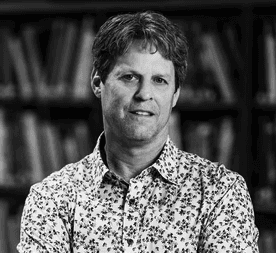
Kent Lauridsen
Hatch Associates, Magnitogorsk and Chelyabinsk steel plants
Biography
Kent Lauridsen completed a degree in electrical and computer engineering at Kansas State University while also playing NCAA Division I football, before earning an MBA from the Wharton School of the University of Pennsylvania with a dual focus on Operations Management and Technology Management.
After early career experience as a senior avionics engineer on the F-16 fighter jet program at General Dynamics, and subsequent roles in corporate development and independent consulting in the United States, Lauridsen joined Hatch Associates Consultants, a small entity within Hatch, a large Canadian steel, metals, and mining engineering firm based in Mississauga, Ontario. Hatch had absorbed a British metals consulting group to establish what they envisioned as the McKinsey & Company of the steel industry, with a particular focus on the post-Soviet Russian market. It was through this venture that Lauridsen came to spend the better part of two years embedded at major steel complexes in Siberia.
Working in Magnitogorsk and Chelyabinsk (Mechel), Lauridsen served as the primary Western consultant on-site for extended stretches. Living in repurposed Khrushchev-era apartment buildings, navigating Cyrillic signage without Russian language skills, and working through facility translation bureaus, he developed an unusually close-up view of the realities of Siberian industrial life in the late 1990s.
Summary of Main Topics Covered
Kent Lauridsen's interview offers a ground-level account of Western financial consulting inside two of Russia's largest Soviet-era steel complexes during the late 1990s, capturing both the technical challenges and the human texture of life in industrial Siberia during the post-Soviet transition. Lauridsen describes his role as the long-term embedded Western consultant at Magnitogorsk and Chelyabinsk on behalf of Hatch Associates, a Canadian firm engaged by the EBRD and other financial institutions to assess the creditworthiness of these complexes for pre-export financing. He recounts the methodological challenge of converting Soviet accounting systems into Western-standard financial models, the logistics of navigating facilities the size of small cities without shared language, and the day-to-day reality of living and working in communities that had seen little Western presence before the early 1990s. His account provides a practical, operations-focused perspective on the Western consulting presence in Russian heavy industry during the Yeltsin era.
Daniel Satinsky: Okay, well, Kent, great to meet you virtually after we’ve corresponded a bit. I don’t know a lot about you, I know a little, so maybe you can start by saying, well, how did you get involved with Russia? Did you have a previous interest in it or how did that work?
Kent Lauridsen: Okay, sure, yeah. I’m an engineer/architect by training, and I worked in the defense industry for five years, and then I decided to get an MBA to really broaden my possibilities, which obviously did. So, I got an MBA from Wharton, and after a few—
Daniel Satinsky: What year was that?
Kent Lauridsen: That was 1993 when I graduated from there. So, I graduated college in ’86, five years in the defense industry, and then I didn’t—I can’t say—the Cold War had been going on, and I kind of grew up in that as well, so I was always interested, but it kind of fell in my lap, this role helping to sort of start up a consulting arm of a company in Canada, a big metals, mining, and engineering company, to get involved with that, that was coincidentally focusing on Russia, at least a lot—we did some Australian work. So, I just kind of fell into it.
Daniel Satinsky: That was your first position after Wharton?
Kent Lauridsen: No. I worked for business aircraft aviation companies and different things, and then I consulted here in Kansas City for a while in sheet metal stamping and sort of heavy industry, which is what made me appeal a little bit to the Canadian company, you know, engineering background, but then operations and finance and all these other things from grad school that they were like oh, great combination for what we’re doing here.
Daniel Satinsky: Right. And so, did you reach out to them, or did they reach out to you?
Kent Lauridsen: You know, maybe a headhunter found them and married us up. They were based in Mississauga and went up there and talked with them a few times, and it was pretty exciting what was going on at the time with the interest in westernizing the steel mills in Russia and things like that, so I was all, you know, really interested in joining the firm.
Daniel Satinsky: What was the name of the company?
Kent Lauridsen: Hatch. Hatch Associates, Hatch MacDonald based in Mississauga. Big engineering, mining, tunnels, bridges, everything like that. So, they actually—I wouldn’t say merged, because they were huge—they brought in a little group from England called Beddows & Company., and they were a little consulting group in steel and metals, and they wanted to be the—I think it’s kind of funny, looking back—but they wanted to be the McKinsey & Co. of this world, right, because they were more strategy and consulting, what they were trying to pull off here in westernizing steel mills in Russia, so we were going to be the McKinsey & Co. of that world. Kind of a grandiose plan, but we started down that path.
Daniel Satinsky: So, they had this contract before you joined them?
Kent Lauridsen: They did.
Daniel Satinsky: And who did they have the contract with?
Kent Lauridsen: Well, there were two different projects that I was involved in. One was at Magnitogorsk, and the contract was with the EBRD, and I think it was like a pre-export financing facility that Magnitogorsk was wanting, so the EBRD, of course, was like okay, well, is there a facility capable of even doing this, are we throwing good money after bad, that sort of thing, so, you know, it was kind of a whole tell us about this place, is this a big risk for us. So, we had people evaluating the technologies that they were using, the quality, how well maintained were their rolling mills, their steel mills, their furnaces, etc., so, you know, like any bank would do, who are we loaning money to, is this a risky endeavor or not.
Daniel Satinsky: Yeah. And what year did you start on that?
Kent Lauridsen: Late ’98. I think this all happened from late ’98 through some part of 2000.
Daniel Satinsky: Okay. So, Magnitogorsk was trying to get financing from the EBRD to modernize, or to export, or what were they trying to do?
Kent Lauridsen: I think they were trying to get out of the barter world that they were in. They sort of needed cash flow, and so they were trying to get out of that. And so it was, as opposed to the next role, which we’ll talk about in a minute, at Chelyabinsk, Mechel[^1] was more they wanted money for upgrading their equipment. But the kinds of things that I was doing there were kind of similar across both, and sometimes I get confused which place I was at with certain memories, right?
Daniel Satinsky: So, what did you do, and when did you go to Russia the first time? Tell me about that, what your impressions were, what you did.
Kent Lauridsen: Yeah, so it was so interesting. I’m adventuresome by nature, so everything was like, you know, bring it on. Everything that happened, I just could not have imagined it. So, I remember flying into Sheremetyevo airport in Moscow, and I think we spent a couple nights there for meetings or whatever, and then I think it’s Domodedovo airport, another airport you fly out of.
Daniel Satinsky: Right, Domodedovo.
Kent Lauridsen: Yeah. It’s been a while. I should have looked this stuff up, but—
Daniel Satinsky: That’s okay.
Kent Lauridsen: Then I remember like just the airplane itself, like the pitch of the seating, like half of the plane—first of all, there was only about 12 of us on the plane. It was probably like a 737-size plane, right? All the seats were like pushed together so far that you couldn’t even sit in the first half of the plane. It was like there wasn’t even room for feet. It was odd. And of course, a couple stewardesses, flight attendants coming with some hard candies and stuff, making it—it was very different than flying in the States.
And then I remember when we landed, in the middle of the winter, in an airport, it was very dark, there wasn’t a lot of lights at the airport, and then I remember looking out the window, and our bags were being pulled out and put into big piles stacked up, and they had German Shepherds walking over the luggage for drugs or whatever, right? It was just… And then I think even before we flew, maybe when we flew out of there, you stood on a scale, you got weighed, you know, so it was very sort of 1940s here, the airline industry kind of thing, so everything that happened was so different from anything I’d experienced before.
Daniel Satinsky: Did they have people meet you there at the airport?
Kent Lauridsen: They did. They had like a shuttle van. And then there was always a pretty good little ride into town. And I’m always looking, like I remember—I think this is Magnitogorsk—oh, so I see a tram, okay, so I’m kind of paying attention, like okay, the tram’s going up over there, we’re going over here to the hotel, so I know the city’s over that way, so if I see a tram stop I want to go to the left, that’s going to take me. Because I can’t read any of the Cyrillic, any of the Russian, right, so just planning ahead, trying to get my bearings about the place because I knew I wanted to explore as much as I could.
Daniel Satinsky: So, this was the city of Magnitogorsk.
Kent Lauridsen: Yes.
Daniel Satinsky: And so, your company sent you there with no translator, just put you on a plane?
Kent Lauridsen: Well, always at the start of these projects there would be an entourage of us, probably like six or seven people. The guys running the consulting arm from England, the Beddows fellows, would be there. They did all the talking, and I was a minion that was doing the work, right? They’d come in for a few days and have their meetings and talk, then they’d bolt out of there, and me and maybe somebody else sometimes would be there like trying to knock off these projects.
They would bring in people with the steel expertise and things like that. I tended to be there the whole time. Those people would tend to come in and go back out. My projects seemed to be longer-term, or I might be like picking up loose ends from their project, like they didn’t get it all figured out, so hey, go to the EAF[^2] and ask these questions from the manager, that kind of thing, so I was kind of the long-term eyes and ears for our company there.
Daniel Satinsky: Yeah, so they installed you there in Magnitogorsk as the permanent kind of representative of the project?
Kent Lauridsen: Yeah. I don’t think it was stated that way, it just sort of turned out to be that way. I would be there two or three weeks and no one else was ever there for a long period of time. And then I’d come back for a couple, just for a break, I guess, and then I’d go back for a couple. And that went on. There might be a longer break for a month or two sometimes, but for that kind of one and a half to two-year period I was in and out quite a bit with the facilities.
Daniel Satinsky: And you were flying out of the country then, or are you flying back and—
Kent Lauridsen: Yes, to Toronto[^3].
Daniel Satinsky: Oh, you flew to Toronto, okay. And so, while you were there you were there for these two- or three-week stints, you were there, I assume that somebody provided you a translator so you could do your work, yeah?
Kent Lauridsen: Yeah, so they…I don’t remember it so much at Magnitogorsk as I do at Chelyabinsk, because I developed—I think the project was longer, more of a relationship with the translation department. Like I think we talked, like in the olden days the stenographer group, right, where if I needed a driver or an interpreter or whatever, they would provide me one. So, any time I had a meeting with someone, yes, I l always had an interpreter there with me that would sort of obviously do the questions back and forth, and then afterwards we would debrief and she would help fill in all my holes that I had. Very helpful, yeah. Couldn’t have done anything without their help.
Daniel Satinsky: So, in both places they had a translation bureau?
Kent Lauridsen: Yep.
Daniel Satinsky: Where were you staying in Magnitogorsk, in a hotel?
Kent Lauridsen: Yeah, a hotel, but these hotels were ad hoc things that probably wouldn’t even exist as hotels before. I know they didn’t because no one was coming in and out that much for this commercial sort of activity, right? So, there was, I guess I’d call them, like the Khruschev era apartment block buildings that you see all over Eastern Europe, right, with the little balconies and stuff. I always have a hard time explaining this to people in the West because they always sort of think you’re exaggerating, but no.
Like in this place the front door was just an opening, and there was a doorman who sat in a little dark opening there, too, with a little desk, and there was an elevator that I equate to sort of almost like a grain elevator elevator, like four people could get in, and it was very rickety and whatever. And you’d go up to the eighth floor or whatever, and then you’d have a room that had a cot, like a single bed, but low, like we would call it a cot almost, and an opening with the door, a restroom with toilet, and usually a kitchen or something, you know, a fridge, but you didn’t have any use for that, and maybe a TV. And there was only I think broadcasting in English maybe—well, maybe—I would watch Deutsche Welle and maybe France 24, but mostly—and there wasn’t anything on a lot of the time you were there, either. At night when [I’d be there] it’d be like there’s nothing on the TV. It was very austere, I’ll put it that way.
Daniel Satinsky: And where did you eat?
Kent Lauridsen: Well, they invariably had a woman on the floor who was the restaurant. It was just an older woman. I think she probably lived there. And she just had a few tables, and you would just come down at a certain time, and she would make you breakfast, or lunch, or dinner or whatever. But it was just an old woman who was just cooking for the guests.
Daniel Satinsky: So, it was like a guest house or something. Is that what it was?
Kent Lauridsen: It was in a huge apartment building, right? The rest of it was people living there. They just opened part of this floor for this sort of thing. It was not built, purpose built for this at all.
Daniel Satinsky: I see. And so, there were…they weren’t very used to interacting with foreigners then in this, right?
Kent Lauridsen: No. Yeah. Like I mean I’m sure that that had been around. This was like ’98, so I’m sure this had been going on since ’92 or ’93, right?
Daniel Satinsky: Right.
Kent Lauridsen: —brand new at it, but they hadn’t built up a lot of infrastructure around sort of working with the businesspeople from the West yet in a city like Magnitogorsk.
Daniel Satinsky: So, can you talk a little bit about what were you trying to accomplish, what kind of information were you trying to get from them and what were you trying to accomplish in these visits?
Kent Lauridsen: Okay. Well, I think because of my business school background they invariably had me focusing at least 70% on the numbers, right? Trying to bring some transparency to the numbers that they were producing, like is this all hocus-pocus, like what are they really making here, what’s it cost them, etc. A lot of detective work trying to create an income statement, cash flow statement, those kinds of things that we would have in the West from their numbers. And they don’t do it that way at all, right, so…
Daniel Satinsky: So, you were taking—they were using the Russian accounting system, which was inherited from the Soviets, right?
Kent Lauridsen: Right.
Daniel Satinsky: And you were translating that into Western accounting?
Kent Lauridsen: Yeah, at least part of it. And then the next level down, were these numbers real?
Daniel Satinsky: Well, how did you figure that out, whether they were real or not?
Kent Lauridsen: Well, I’m not sure I did except for the fact that I know they aren’t real. Like if you looked hard enough, you’d find out that they’re not real. And so, there were situations where…like just say following like…so when I say like the financial statements, there was that part, but there was also just sort of like operational, like where does this steel flow, so the tonnage, how does it flow through, where’s it all going. Is this getting sold off on the black market, too? Are we funding that as well? And they know that’s going on, so they just wanted to sort of figure out how much and that sort of thing.
So, I just remember one time where I was like doing the numbers with the tonnages, and you’ve got scrap and fallout all along the way, but then the numbers weren’t making sense at all, and I’m asking like, well yeah, but what about this remelt here? No-no-no, oh, da-da-da, you know, you don’t understand. Well, wait a minute, I don’t see how. And then they would get upset, like no more questions. And like okay, got it, you know. If you pushed too hard you were never going to feel like you got—I mean, what am I going to do? I’m not an interrogator; I’m not a prosecutor. It’s not a court of law. Like all I can do is try to find out what I can find out and say hey, stuff going on here, you know, don’t know what it is, pretty sure that that’s going elsewhere.
In fact, it wasn’t all that unusual for them to talk about the fact that they, all the steel that they made didn’t get sold, like openly. Like I went to a…the general director took me to a hockey match there, the Magnitogorsk Tractors, and very austere, but very steel building, like steel girders everywhere, right? And they love their hockey, of course. And he’s really proud of the place, and he’s like look, see this, do you see this here? Yeah, it’s wonderful. He goes, no you don’t. This does not exist. You do not see this. I’m like, what do you mean? He says it does not exist. So, I didn’t understand what he was talking about. And finally, through the interpreter, I got that he’s saying we built all this with steel that we’d just get on the side. We built this hockey rink and arena off the books. This is an off-book sort of thing that we did. So, it wasn’t like they hid that from me, he was bragging about it.
Daniel Satinsky: Wow. How did…did they—how did they take your questioning? I mean, you’ve already said at some points they kind of were okay, no more. But did they see you as a spy for somebody else or, you know, how did they kind of react to you?
Kent Lauridsen: You know, I’m glad you asked that question because I don’t think the people that hired me knew it worked out this way, but I will say I was the right guy for that job because I was very genuine, so they liked me, is where I’m going. They could tell I was not, like, not on their side. I was just trying to do a job and be real, and so I got way more information, I think, than I would have otherwise, if I’d been like some of my compatriots, who were very sort of not friendly, not open.
The Russians, they were on their heels back then, too, right? They were like we used to be a great big power, and now we’re like this, so they had a little insecurity going on as well, right? And so I just sort of became, let’s say, friends with these people, the businesspeople, the steel people, just by being real and hanging out with them. And so, they probably took me—they were probably very suspicious of me at first, and I think they figured out, hey, this guy’s just out here asking the questions he needs to ask, and we’ll help him as much as we can. I think I got more help than I would have otherwise.
Daniel Satinsky: So, they probably, they did understand that by helping you they were helping themselves to get this financing, right? Is that…?
Kent Lauridsen: They needed me to give a good report in some way, right? It wasn’t like they were a company that was being bought and they were going to go away, like they needed our help. That’s why I was involved, exactly. I mean, that’s… So, we just kind of had to bridge that. And yeah, that was the dynamic of it, for sure.
Daniel Satinsky: Yeah. So, you spent time with them, with some of them outside of work as well, is that right?
Kent Lauridsen: A few outside of work, but mostly it was like during work. Like I’m a big Beatles fan, and Russians are huge Beatles fans. I mean, that was a big thing, to get a Beatles thing underground back in the day, and so just some people you just clicked with because you had the same interest. And the people in the offices, you know, they’re better educated than we are, first. Technically, they’re brilliant. And they know English pretty well, right? So, I could converse with them fairly well. Always had an interpreter there to help, but you could still talk about stuff. You could shoot the breeze a little bit about things, which you couldn’t do with an interpreter very well, but you kind of hang out. So, you know, I got to like these people and I think they got to like me, and that just greased the wheels for everything I was doing.
Daniel Satinsky: Yeah.
Kent Lauridsen: That said, I mean, I guess it’s related to that, but there’s a memory I have of—and maybe it goes back to the trying to understand their numbers and put them in the sense of what we know in our accounting and those kind of things—but I was tasked with, naïvely, by my boss, to go—very simple to do—go find out how they manage their operations. Okay. Like the production operations, right? Put numbers [to it].
So, I went, general director, and he sees this punk kid from America, and this guy is brilliant, and also powerful, and knows—great politician, all that stuff, right? And they had so much fun with me, poking fun, like oh, you’d like to know that, yes? Come back tomorrow, I’ll show you. Okay. Hustle you out, you go do something else. You come back the next day, and I remember he had a big, long room, of course, tall ceilings, long table, like conference room table, his desk at the end, and it was piled high with big papers, handwritten pencil stacks, stacks everywhere. He’s like there, that’s how we do it, have at it, it’s yours. And he left. He’s like okay, it’s all right there. [Laughs.]
Daniel Satinsky: And all written in Russian, in cursive, as well, right?
Kent Lauridsen: On whole big, typed paper, the sort of brownish paper, right? Yeah. So, it was like okay, he’s just having fun with me. I didn’t even attempt to do anything. I just go, got it, went back. We need a different approach. That’s not going to get me anywhere.
Daniel Satinsky: Were you able actually to get an approach that worked with them?
Kent Lauridsen: I mean, remembering back, I mean, I ultimately did put numbers together, so I did. And I got down to details, or go into details, really not, but things like, concepts like depreciation and amortization.
Daniel Satinsky: Yeah. Didn’t have those.
Kent Lauridsen: They were like what are you talking about? You’ve got fake money in here that you’re counting against, but no, we did better than that. No, but we have to account for this, too, because you’ve got to rebuild this machine one day. No, we get a new machine one day. You know, it was like the concept they couldn’t get. And I knew they were brilliant people. But there was just this…they hadn’t looked at the world that way ever before, so now we look at it this way, and that just went like this forever. I don’t remember how we resolved that, but it does tell me that I was getting into the details of a Western income statement, etc.
Daniel Satinsky: Yeah. Well, do you think that by the time you left they were any more comfortable with those concepts or not?
Kent Lauridsen: Yeah, I do. And I had some help, too. Magnitogorsk, so the EBRD had a brilliant younger guy, Lou Naumovski. You should talk to him sometime. He was Canadian but born in Eastern Europe. I forget which country. Lou Naumovski. And he was sort of the in-between handler. They had hired us to help them figure out if they should loan this money, and of course he knew Russian inside out, and he’d worked there before for, I think, American Express or somebody, but he was a brilliant guy, great personality, just a perfect guy for that role, and so he would help those things, too, right? We may have a double team meeting with somebody where he can do the interpreting and translating back and forth as we worked through stuff, because he knew, obviously, Western ways of doing things and our business statements and things like that, so they didn’t leave me on my own at the Magnitogorsk job, for sure.
Daniel Satinsky: Yeah. So, what was your—did you get onto the factory floor? Did you see the plant?
Kent Lauridsen: I did, yeah.
Daniel Satinsky: What was your impression of it?
Kent Lauridsen: Well, first of all, to be fair, I…I’m trying to think if I’d even been in a Western steel mill.And I’m not sure I had. But I do remember like walking around in EAF, and there wasn’t…there was just one little sort of flimsy railing or something, like we would never get that close to one in the U.S. You’re standing right there with your interpreter, she’s wearing open-toed shoes and a skirt, you know, and outside like an open hearth furnace or a blast furnace, probably, and they’re shooting oxygen there, and sparks are flying out everywhere, and there’s people just standing right there, where since then I’ve seen, you know, we’ve got a guy in a hazmat suit, you know, you’re not getting anywhere close to that. Totally different there. Totally comfortable with the dangers of the steel mill, way more than we have back here. There was no OSHA, I guess is the way to say it, right?
Daniel Satinsky: So, that was pretty obvious to you as an impression then, yeah.
Kent Lauridsen: And the rolling mills, you know, it was all…yeah. I think I told you this before, and you know this. The Russians, out of necessity, I guess, are just brilliant at making do with what they have. So, things cobbled together and still working really well. It’s like wow, this rolling mill, you could tell they couldn’t redo that, so they were cobbling something together to make that thing work for a while, or whatever. You could just look at it and go wow, okay, looks a little iffy.
Daniel Satinsky: So, how often were you in the plant itself?
Kent Lauridsen: I would say like 20% of my time, maybe.
Daniel Satinsky: Okay, a fair amount of time then.
Kent Lauridsen: Yeah. Could be tracking someone down or getting some, yeah, some sort of technical information that the people back in Canada were asking for again and they hadn’t got, so I’d go out there and not necessarily observing it so much, but meeting with somebody out there, so you’re walking through the facilities while ladles are going overhead and things like that.
Daniel Satinsky: Right. So, there were other people who were evaluating the technology of the production, and you were evaluating the finances, or preparing a report.
Kent Lauridsen: Right. And maybe the operations at a next level up. So, my master’s was in operations and technology management, so bridging between the two, right? So, painting a picture with numbers as well, but still, there’s a flow to things. And sometimes I was just following up on technical things. Because I’m an engineer, too, I could do that, right? Like I understand metallurgy and that sort of thing.
Daniel Satinsky: Yeah. So, what was your impression of them as managers, as a management team that you encountered?
Kent Lauridsen: My impression…let me think about that. They were all very, very good at what they were doing. Like in the command economy, I guarantee they nailed it. Like whatever their job was, they were going to be really good at it. Whereas I wouldn’t say that about—I’ve worked in many companies in this country, and not really impressed with a lot of people that have maybe risen to here and here, like how did you get there? But there, I was like these people—now maybe I had a disadvantage because I don’t know the language or whatever, and I can be more fooled, and I don’t know them well enough, there wasn’t enough time, but I always felt like they were all really, really technically savvy, and just sort of politically savvy, and good managers, right? That said, the other thing that was different that I noticed was there was never a lot going on. Now, you know, it was like people sitting around on piles of stuff like not working. There was just a lot of slowness, it felt like, right? Now when things were happening, things were happening. If a rolling mill is running, it’s happening, right? But in between times were large. More than we would have expected over here.
Daniel Satinsky: And did that impact your sense of the efficiency of this place, that it wasn’t that efficient because people were not working in the same pace or tempo?
Kent Lauridsen: Yeah. I mean, I just took it as well, this is, you know, the command economy. And they explained it to me. They said all we have to do is hit that quota that we have to hit. How long it took wasn’t really as important as how do you get that number, and then if we get past that, we build a hockey rink or whatever. It was all about hitting that number.
Daniel Satinsky: Right. And again, you were there in what year was this?
Kent Lauridsen: End of ’98 was when I first—
Daniel Satinsky: End of ’98. So, you were…this is already eight years into the market economy, and their culture, their industrial culture was still Soviet, still command economy culture in terms of business customs, accounting, with style of work, all that stuff.
Kent Lauridsen: Yeah. I mean, to be fair I have to say I’m sure it was way different if I’d been there nine years earlier, but the vestiges of it were still there, for sure. You could throw as many people as you wanted at something because the labor cost was nothing, right? Throw a number of people at it. Where over here you can’t do that.
Daniel Satinsky: Right. And how did you…did you…you didn’t like study how management was done in Soviet times or whatever, you just really got a sense of it from what people told you, this is how we do it, kind of, yeah?
Kent Lauridsen: I was totally green, and I don’t even think there was like…you know, there was no internet, so it wasn’t like I could be online Googling and researching stuff, right? I just had to learn what I could as fast as I could, and any way I could.
Daniel Satinsky: And what was the length of time you were working in Magnitogorsk on this contract?
Kent Lauridsen: I’m going to get this wrong, but I would say like that was like three-quarters of the year, because I feel like I spent more time at Mechel Steel in Chelyabinsk.
Daniel Satinsky: So, we’ll get to that one in a minute. So, you, in the end, produced a report which then went to the EBRD. Did they loan money to Magnitogorsk?
Kent Lauridsen: You know, I don’t know. Before we got on today, I was sort of doing some Googling, and I found that document. I hadn’t read it yet. Like it was the pre-export document from back then. And I feel like they did get their money, but I don’t really know that. I can’t confidently tell you. I could find out. I’m still in contact yearly with Lou Naumovski, who’s up in Canada, back again, so anyway. Like how did that pan out.
Daniel Satinsky: So, you were, you know, you had a regular workday, but you were there in two- and three-week stints. Did you get out into the city at all?
Kent Lauridsen: I did, I did. And again, my memories of which city these were sometimes gets conflated. To me they looked very similar. But I did. So, I would—and that’s where I sort of did things that other people weren’t doing. Like I would, you know, I was told you have a driver any time you need a driver. Well, no one else, when they were there, ever used a driver to go anywhere unless it was a business function that they took us all to in a van or something, right? They didn’t do anything. I’m like oh, I have a driver? Give me a driver and take me into town, right? And they would.
And they would take you to, like a—it turned out to be a restaurant down beneath the street, like a door, nondescript door. It didn’t say “restaurant” on it, but it was there. And I’d go down there—and this is like one of many examples where there would be no one there. Like there was never anyone in these things. I’m like I don’t even get how they exist. But I was there with a compatriot one time, and—a colleague, sorry—and we were at one—there was a Russian, obviously Mafia guy in there, and later we found out it was probably his restaurant, and he was upset, and he broke some plates, and we’re like oh my god. We were like scared. We’re like what have we gotten ourselves into?
Somehow, you know, he didn’t really—we thought he was going to engage us; he didn’t. We were so thankful. And then we sort of got out of there. But that’s just one of many experiences of going out and how different it was from any even European country that I’d been to before, you know.
Daniel Satinsky: So, you didn’t get in a situation where people would say oh, I want to talk to you because you’re an American, I’ve never met an American before, that kind of thing, was there—because you were, you know, you were out in the provinces. I don’t know how many foreigners were there. I don’t know, were there others that you saw around?
Kent Lauridsen: No. There was no…there weren’t—I can confidently say that when I was in those cities, we were the only Westerners there, because there would be no reason for anyone else to be there. It is not like a tourist would go there. So, yeah, there were experiences where I was definitely, I was an outlier, right? I’m like oh my god. Like I was crossing a street in Chelyabinsk one time, a pretty busy street, kind of downtown, and I hear an older gentleman, Amerikanski[^4]! Because no matter what you dressed like, you stuck out. Amerikanski! And he was pretty far away. And he comes running up to me, and he’s like oh. I’m like yeah. We were trying to chat. He had limited English. Come, come with me, family, apartment, da-da. Okay. I mean, it was a weekend. I was like I’m just exploring, right? And so, he took me to his apartment with his family, like his mother, his wife, his kids, and, you know, the little couch with the textile on it. And they were like oh my god. It was like a party now. They pulled out—he’s telling his wife go get the whatever, and she pulls out some old port wine or something for special occasions, and they pull out cucumbers and tomatoes, and some pork, and all of a sudden we’re having a little meal, and it was like turned into a little, you know, the guy, he hit a home run. He was probably like if I ever see an American, I’m bringing him home. And I love that stuff. The kids were all like oh, wow, you know, like you’re from outer space.
Daniel Satinsky: Did any of them speak any English?
Kent Lauridsen: In that situation no, but in another memory, I was…there were some college kids. The college kids could all speak pretty good English. I mean, not all of them, but you could definitely have a conversation with them. And there was…some kid had invented—he had started his own beer company back then, and he had a tent, and it was “Krist,” was the name of the beer. And my son’s name is Kristoffer, spelled the same way and stuff, so I’m like oh, this is perfect. And plus, that was unusual. Here was a little, somebody making some money here out under a tent, and they had some tables set out, and a bunch of college kids, and they saw me, and they’re like…pulled me into their world, and they’re all chatting me up. And the girls were beautiful, of course. I mean, I fell in love with Eastern European women. And yeah, so they would…I was definitely like a wow, where did this guy come from? They’d pull me in and for hours you’d sit there and talk with them about everything.
Daniel Satinsky: And that was in Chelyabinsk? So, was there anything close to being a tourist attraction in Magnitogorsk?
Kent Lauridsen: No.
Daniel Satinsky: No? War memorials, anything?
Kent Lauridsen: Oh, I mean, I’m sure there was for Russians, you know, that sort of thing. You know, like they had the tractor, which was a tank plant, I was told later, it was not necessarily tractors, it’s tanks, too, is what it originally was, or maybe still was. So, there might be—you might see a tank, and it was like a little park or something, right? Oh, it’s like we would have a war jet in a park somewhere, you know? Like that sort of thing. But I don’t remember like the interpreters ever going, oh Kent, you’ve got to go check out the whatever thing because everyone that comes here… The stuff was probably there, but I don’t remember that so much.
Daniel Satinsky: Did they get you out in the forest and nature outside the city at all?
Kent Lauridsen: No, I never got to do that. And I was there summer and winter, too, and it’s like Kansas—you get tons of snow, then you got warm summers, too, so you got the four seasons, so I got to see it in all its different iterations.
Daniel Satinsky: Well, so you weren’t really—I’m still on Magnitogorsk, but we’ll get to Chelyabinsk in a minute. You weren’t there to really change the way they do business or to change the way they did accounting, you were just trying to gather information, right?
Kent Lauridsen: Trying to help EBRD be confident in their loan and—
Daniel Satinsky: Do you think that any of that interaction with you and your colleagues in the EBRD changed anything in terms of how they saw the world, or did things, or did they learn from you in any sense, do you know?
Kent Lauridsen: I don’t know, but I’d say it has to work that way. I think everything gets chipped away at a little bit, right, just sort of exposure over time. And this was intentional exposure about trying to bring these two worlds together, because we’re going to give you some money, and that’s a new thing for us. I mean, EBRD, that’s what they do, right, but we [want to] make sure that we’re not wasting our money on a failed situation here, but we’re rooting for you, but we’ve got to make sure this makes sense.
I just think it gets chipped away at over time by these activities that happen year after year. Like I’m sure it’s, you know, up until Putin sort of changed things, it was probably that much better that many years later, too.
Daniel Satinsky: And so I have to ask you this just because I know for some of these guys, these people were referred to as the red directors. They were the guys who inherited the factory as factory managers from, you know, had been there all…in continuity from Soviet times. You know, so vodka sometimes played a role in how they got to know you, and whether they trusted you or not. Was that…did that? I mean, but by—I know that as the ‘90s went on that became less and less true. People were more businesslike. They couldn’t afford to ruin their health or the next day by drinking. So, where were you on that spectrum? Did that play any role in your relationship with the people there?
Kent Lauridsen: It did. And just an aside, I’ve done work in Korea since then, and there’s very much that sort of thing still, right? And it’s, soju, which is basically vodka. But yeah. Now, at my level I had less opportunity for that than, say, our director, who should have been out having dinner with these people. I remember, though, a couple situations where we were celebrating something, and so we’re having a dinner, they’re putting a dinner on with us, and so we’re in a room with 30 people around the table—I just have a great memory of this—and the vodka shots are happening, toasts. And the other thing is these people could give a toast like nobody’s business. We don’t know how to do that. [Laughs.]
You know, the guy would stand up, the general director, and they would all go around, everybody’s giving a toast, and it’s like wow, I have to give one? So, that’s just going to be a failure, you know. You’ve got like ten shots of vodka in you by the time it comes around to you, so they are getting you liquored up so you can talk too freely, etc., and sort of get to know each other. Definitely that was going on. I just had limited opportunities where that was happening.
And I just have a memory about this particular situation where not only were we not good at it, but we also had some people that, you know, at the levels above me, that should have known better but didn’t. Like I remember this man, he was a brilliant metallurgist for our company, who was sort of leading that part, and he gave a toast, and he said something alluding to the Cold War, like we used to not like each other or something, and it was just very crude, and poorly done, and stupid subject and whatever. Everyone was sort of like, okay, that’s his toast? Ugh.
I remember afterwards Lou from the EBRD goes, hey Kent, I’ve got to tell you, you need to talk to Jerry; that did not go over well. Like what are you doing? Like I know, this guy’s kind of not…he’s not sophisticated that way. And he also had plenty to drink and was probably not on his game either, right? So, yes. So, long answer to your question. Yeah, that was definitely part of the thing there. I just wasn’t at that level where I was involved in a lot of that.
Daniel Satinsky: And how about banya[^5], did you do that?
Kent Lauridsen: I didn’t get to. I wish I had. Boy. If that was going to happen, it would have happened in Chelyabinsk probably, more likely, but no.
Daniel Satinsky: So, let’s move to Chelyabinsk. How did you get involved there? Was it a continuation of this consulting gig, or what happened?
Kent Lauridsen: Yeah, I was still working for the same company. They had another project that… Because they were touting their expertise with this westernization of Russian steel plants, and so if I remember right—
Daniel Satinsky: Let me just stop you for a second. You say they were…their expertise in westernization of the steel plants, but were they really westernizing the steel plants?
Kent Lauridsen: No, examining.
Daniel Satinsky: No, they were examining—yeah, okay.
Kent Lauridsen: That was what we were going to do. We were going to be the McKinsey & Co. of this sort of world. And this was early on of trying to do this, right? So, I’m sure the Magnitogorsk contract helped sell getting some other work to do this sort of thing, right? So, it was Mechel…oh, Glencore, which owned the steel plant in Chelyabinsk, and then it was Mechel trying to buy it. And I looked it up again today, and the dates seem kind of wrong, but there was a handover there, and there was also some money involved with, like—well, in the purchase, what are we buying. They say if we had better rolling mills of a certain type we could sell better steel, we could sell into the auto industry, or white goods or whatever, the quality would be there. We just need some money to do this, like $300 million or something. So, it was very sort of focused on an upgrade kind of thing. But then our EAF has to be improved, or our—
Daniel Satinsky: What’s EAF? What’s that?
Kent Lauridsen: Sorry. Electric Arc Furnace.
Daniel Satinsky: Okay.
Kent Lauridsen: It’s old, old school, and it still exists in Russia somewhere. It’s open-hearth furnace, which is kind of what you can imagine, right? It’s just an open thing, and you’re just melting steel in it. And then there’s a basic oxygen furnace where you’re injecting oxygen into it to help the melt and way more than that. And then electric arc furnace is you’ve got big electrodes that are coming down into a crucible and turning on the power, and then—bzzz—that welding vibe is what they really are, this big around, are just melting the steel melt that you have in there. I mean, they’re like, yeah, they might need the specific equipment they’re asking for, and then they’re asking for some other upgrades, too, that help get the right steel for that. It was never just one thing. So, it was very…more technical, my memory is more technical work going on there for that.
Daniel Satinsky: And who hired your company for that?
Kent Lauridsen: Mechel hired us.
Daniel Satinsky: Mechel, okay. Describe who Mechel is a little bit.
Kent Lauridsen: Well, Mechel—and I’m still kind of…I wasn’t confused at the time, but again, I was looking it up, and Mechel—it says Mechel bought from Glencore, which is a Swiss trading company, bought in 2002. Well, I wasn’t even there in 2002. And I have calendars and things with Mechel all over it, so like Mechel was already there. And Alexei [Ivanushkin]…what was his name? I’ve got it over here. What was his last name? Well, I lost it. But the guy who was running it for Glencore, then he ran it when it was sort of in between, and then he ran it afterwards. He made the transition from Glencore. It always felt like he was—and I think from my interpreters, he was kind of like bad news, like he was like the real deal of, you know, this was not…this guy’s background was probably iffy, like you don’t want to mess with him. And like it might have been partly, too, that they just, they’re trying to buy this, and they don’t like that guy, and so there was bad blood or something, but I don’t know. It was just a whole different feel there than it was at the Magnitogorsk project.
Daniel Satinsky: And this guy you’re referring to was he the general director?
Kent Lauridsen: No, he was the CEO. As you know, this was like 72,000 people in a complex of kind of the town, right? They’re running the whole city, really.
Daniel Satinsky: Right. And so, were you doing the same thing, kind of coming in two or three weeks at a time?
Kent Lauridsen: Yep, yep.
Daniel Satinsky: Extracting information?
Kent Lauridsen: Yep, trying to just put some clarity to what the numbers are and make sure that we understood, and to help our technical people turn their… They’re like oh, their melt’s wrong, they’ve got to do this. Well, what does that cost? So, I’m sort of costing out the different alloys and stuff. And so, here’s oh, they’re never going to make that steel price because their input costs are too high, and sort of doing the little economic part of it as well. But that always ties into the technical part, too.
Daniel Satinsky: So, in terms of actually doing your job, are you…was it easier because you’d already done this in Magnitogorsk? I mean, you knew where some of the pitfalls were, and some of the conceptual gaps were. Did you learn from it?
Kent Lauridsen: Yeah, I did. I think part too, though, it was like oh, there’s less sort of me spinning my wheels, like what? It’s a whole new world. You kind of have to get used to how to work in that world, with an interpreter, and asking smarter questions and things like that. Because I remember I’d come out of some meetings originally, I’d ask a bunch of questions, I’d get back to my little space to like do some work—I didn’t learn anything, like what? You know, now I have to—I asked questions and got some answers, but I don’t know any more than I did before. I’ve got to be smarter about it. I’ve got to find a—
Daniel Satinsky: Yeah.
Kent Lauridsen: So, I think I was learning those kinds of things over time, like what are the holes that I keep ending up with—let’s start with those and see if I can dig there first. So, I just got smarter about it. I’m not sure I got very good ever, but I got smarter.
Daniel Satinsky: Right, right. Well, do you remember any particular conceptual problems that led to some of those holes? I mean, you talked about depreciation and amortization. Were there other things that were so different that they caused the difficulty in understanding?
Kent Lauridsen: You know, not really. The depreciation thing was sort of an accounting concept that’s foreign to them. I think the rest of it is, I mean, they ran these things technically really well, I feel like. They did the best that—I think they did better than we would be able to do with what they were dealing with, and like the quality of their stuff was great given what they were working with. And that took [brains] to do.
I think that they had to keep track of things, they just didn’t…the costs weren’t as important. The amounts were important, but the costs probably weren’t as important. So, I’m sure they kept track of them, but then it wasn’t like we’ve got to get better at the costs next year. There wasn’t that meeting. I mean, I’m kind of [winging] it here, but I feel like that was probably… Because you do what you’re pressured to do, right? So, if they just care about me hitting my numbers and how I get there they don’t care about, that’s what I’m going to do, and I’m going to do that really well.
Daniel Satinsky: I just, when I hear you say that, it seems to me that’s a remnant of the command economy where there were targets set and the whole goal was to reach the targets, but the inputs were just given to you by some central planning agency, and you didn’t have to do that kind of accounting.
Kent Lauridsen: True, exactly. You’re right. The whole—somebody else was handling that. They’re like you’ve got to do this much, and here’s what you get to do it with, exactly.
Daniel Satinsky: And were they at that point concerned about—well, you said this—but the product mix and where they were going with technology and steelmaking and being able to make a different quality of steel, maybe to export? Was that part of what they were going through as a transition?
Kent Lauridsen: Yeah. I’m sure they knew if they didn’t change, they were not going to survive because even their internal customers were like not necessarily coming to them anymore. Like they were getting it from the open market somewhere else outside of Russia where they could get it maybe cheaper and better. Oh, my god, we’re going to disappear if we don’t get this figured out. So, they were, you know, wisely looking for help. They were like our government’s not going to give us a new rolling mill. That’s not happening anymore. We’ve got to find a way to get that, and we know we need it.
Daniel Satinsky: Right. So, again, the first one—and it was clear you were working for EBRD to determine whether money should be loaned to Magnitogorsk steel, but in this case, you were working Mechel, and to determine whether money should be invested, is that right?
Kent Lauridsen: I look at it like…because I’ve done a lot of that work since then. It’s like any time a company is buying a company, they want to find everything they can about it—
Daniel Satinsky: Right.
Kent Lauridsen: —investment, like is the equipment there just on its last legs? Are we buying crap? Mechel obviously was pretty educated about a lot of that, but not the next level of detail, like what are we going to have to invest in this thing down the road to go where we want to go, right? What’s the state of affairs there? If it [was too] bad they might walk away from it, right? Or it affects how much they’re going to pay.
Daniel Satinsky: I see. And they wanted a Western consultancy to make that evaluation for them, right?
Kent Lauridsen: Yeah. And mostly because of our, you know, Hatch’s steelmaking prowess and expertise as engineers. Like they’re world class, very highly esteemed in that, so that’s why they could get their foot in the door to do this kind of work. We know what it takes to make that full roll from melt to in a coil, so we can look at your stuff and go here’s where you’re lacking, here’s where you’re lacking, and here’s what we think it would cost, etc., etc.
Daniel Satinsky: I see, okay. And so, the actual transformation was done by Mechel after acquiring the mill, whatever that transformation was, but they didn’t ask you to oversee that, they just were…this is a report, it’s a roadmap, or forensic accounting of some kind, right?
Kent Lauridsen: Exactly. Yep, due diligence, right? Now, maybe once I was gone, maybe they did say okay, now help us do that. I’m sure that was part of our sell, too—we’ll give you the roadmap and then we’re also your experts to help you execute this transformation.
Daniel Satinsky: And so, was it the same, your same drill? You would fly to Moscow and then fly from Moscow to Chelyabinsk, and stay in a hotel for two or three weeks, and out again? Was it the same drill?
Kent Lauridsen: It was the same drill, yep. And the hotels were like I can’t tell one from the other. It was like a very similar situation. I have a lot more memories from Chelyabinsk, partly probably because the woman who ran the group of women who were the interpreters, she’d traveled the world. She was very worldly, and we became pretty good friends, and so the was always like going to help me on any adventure that I could dream up. Like hey, I’m going go into town and find a pool hall or something. Oh, yeah, okay, I’ll give you this driver. She helped me [all the time].
And also helped me, like I think I told you some stories about where I definitely was running into some Mafia types, and they wanted me to play pool with them, and they got me so drunk, and somehow, I ended up back in my apartment. And I couldn’t have told anybody how to get there. I couldn’t even have said the address or whatever. And my bill had been paid, and change and the receipt back in there, and she’s like well, the Mafia took you there. They know where you live. They just gave you…they’re like what are you…? They don’t know what’s going on with you because no one’s done this before. Like you’re here doing this work. They know you’re there, supposed to be doing that, but then you’re out here doing all this stuff. They’re like what’s going on with this guy?
Daniel Satinsky: That was their way of checking you out.
Kent Lauridsen: Yes. I mean, I don’t know if it happened on purpose that those guys were there, but, I mean, probably, those drivers were probably tasked with like telling these guys stuff, right? Like I’ve got a guy going down to [whatever]. I mean, the drivers were good guys, but they’re going to make some money, too, however they can, so they’re probably—I don’t know if it’s a coincidence, but these two guys are playing pool, and I’d learned Russian pool for a while, until I forgot it.
And so now they got me back there. And she’s like yeah, you’re not an unknown quantity here, they just don’t know what you’re up to. And those guys actually accused me—it was all fun and games until one time they, like, got very serious and went, you’re Russian, you’re Ruski. I’m like, no. Slavic, Slavic. They were like pointing their fingers. They were like no, you’re not an American. I remember that now. They were like…it got to a point they’re like game’s over. You’re [unintelligible.] And I was like oh, wait. No, I’m an American.
Daniel Satinsky: They couldn’t tell from the way you talked? Yeah?
Kent Lauridsen: I just, you know, I don’t know. They said I was Russian and looked Slavic, so… I don’t know if that’s true, but they were definitely, like, going to see if I…what I did with that little interrogation. It only lasted for like a minute or so, but…
Daniel Satinsky: Right. And was that part of the pool hall adventure?
Kent Lauridsen: Yeah.
Daniel Satinsky: Wow. What was your impression of it as a city, as an environment, Chelyabinsk?
Kent Lauridsen: I mean, I thought it was wonderful. I mean, I’m not like a clubgoer and things like that. I’m like looking, you know, like Buffalo is one of my favorite cities. I like that sort of grit and industrial, and that sort of thing, and the whole city felt like that. Everything’s kind of brown and gray. And you could get a beer at a little kiosk thing here and walk around with it and drink it on the street. That’s right up my alley, you know. It was like…it was just like being on another planet for me where… And I also like not knowing a language and being an outlier, like not being…like being unusual that I’m in that space. Korea was that way for me in some places that we went. So, I was in my element there. Didn’t know that was my element until I got this role, but I’m like wow, I do love that.
Daniel Satinsky: And that was also the place where people pulled you into their apartment because you were a stranger and they wanted to have a chance to talk to an American, right?
Kent Lauridsen: Yes. Yes, that was Chelyabinsk. I remember telling Vera about that. She goes oh yeah, I’m glad you did that. I’m well, of course I’m doing that. She goes well, Phil and Bob would not have done that. They would not go to some…
Daniel Satinsky: So, you were an oddball in terms of your own team, right? Your team members didn’t do that?
Kent Lauridsen: Yeah. In fact, well, my very first trip to Magnitogorsk I remember, like I think I told you, I saw where the tram was going and stuff, and I’m like getting my bearings, and I probably had looked at a map ahead of time—although no, because it wasn’t necessarily on the map then. But I remember going confidently—it was in the winter because there was snow everywhere and probably got there about 7:00 to our hotel. And we all went inside. We’d eaten somewhere or something beforehand. We went inside and I’m like well, I’ve got nothing to do here, I’m going to go back, at least go downstairs and stand outside and look around. And I was like, well, there’s the tram stop, and I know that way’s the city.
So, I went and got on the tram, headed into town. That was probably like 9:00 or something. And just walked around. I don’t remember, like I don’t think I got inside a place. Maybe there was like a little store that—no, it was 9:00 at night. There was nothing going on. I was just walking around. But I didn’t get back till like midnight. But I found my way back. I mean, I knew I would, but there was like…it was not a given. I had to figure out which tram to get on and stuff like that. And I’m walking back a couple blocks to the hotel, and there’s a crowd of people out front. I’m like oh, interesting, I’m walking up. They’re like oh, there he is. I’m like… They were looking for me.
They had summoned a meeting of us after we all got settled in our rooms. Then they like went around, hey, let’s go get together and talk about something. I wasn’t in my room. Where’s Kent? And they probably went down and talked to the doorman and he was like well, he went down there. Oh, my god. And so they thought something happened to me. It was too dangerous to be out there alone at night in Magnitogorsk. I’m thinking, what? You know, maybe it was, but it wasn’t to me. So, that was like…they thought I was crazy from the start. We’ve been here like ten times already and no one’s ever left this place, what are you doing? [Laughs.]
Daniel Satinsky: This was before the cell phone era, right? You had nothing. You were just on your own.
Kent Lauridsen: I was on my own, yep. You know, would have preferred it that way, but yeah, I’m glad it was, because it was like you’ve got to figure it out. It’s like I don’t mind the…you’ve got to have your wits about you and figure out a way to get back.
Daniel Satinsky: Did some of the other members of your team in either city hate being there and express that, or…?
Kent Lauridsen: Yeah, they did.
Daniel Satinsky: What was that about? Why did they dislike it?
Kent Lauridsen: They were just used to the comforts of home, I guess, right? I mean, it’s like…I mean, I’ve traveled with many people who don’t even like, you know, if they go to…if they have to go to Italy, they’re going to look for TGI Fridays to eat at when they’re there. And it’s just no, there was nothing…I mean, there is nothing to do there in the traditional sense, so if you don’t get any joy out of just exploring, then it’s going to be total down time for you, misery, I’d rather be back home with my kids and wife or whatever. I mean, I kind of get that. But they took no joy in being in a strange place and just learning about it.
There was one guy from Canada, Bob, who was a young kid, he was a little younger than me. He had a little adventuresome spirit in him, and he and I got into a few little things and explored around a few times. But other than that, no, they just wanted to get out of there as soon as possible, and so they did.
Daniel Satinsky: So, they fulfilled their job, and they hung at the hotel, and left when they could, yeah.
Kent Lauridsen: They spent three days or whatever and then bolted. I’m sure they wouldn’t have taken the jobs on if they had to stay longer. None of them would have done two weeks at a time like I was doing, or three weeks, ever. And I had a wife and kids and brand-new babies and stuff, but…
Daniel Satinsky: And so, they didn’t know anything about Russia. None of you guys did, really. You knew about steel, and you knew about metallurgy, and you knew about business practices, and you were just plopped down in this alien cultural environment.
Kent Lauridsen: Exactly, yeah. Which was beautiful.
Daniel Satinsky: Well, do you think…well, how do you think that experience changed you? Or did it?
Kent Lauridsen: You know, I wouldn’t say it changed me. It just let me know about myself, because I didn’t know, necessarily—I mean, if I look back, I’ve always been adventuresome or whatever, but this was to the extreme. And instead of like being a little bit— [stand back gesture]—I, like, embraced it. I couldn’t help myself, right? So, I learned that about myself, that I really enjoy that. Like if I had a choice between going to, say, someplace I’ve been before and someplace I haven’t, I’m going to the place I haven’t, where I know a lot of people would be like, no, that’s… Like I have a brother who’s like no, I want to go to a Hyatt each time so I know the alarm clocks are the same, and I don’t have to mess with how to figure it out, and I won’t worry about all that stuff. And I’m like the opposite. I’m like I want a new experience each time.
Daniel Satinsky: Right. And as far as changing them, you were part of the change they were going through. You were an observer of that change, right? Not really an agent of that change as I can tell, right? Is that fair?
Kent Lauridsen: It’s fair. It comes back to what I said earlier. It’s sort of like somebody had to be there involved in the chipping away at new experiences for them to get more westernized. Any one person or activity was not…was just a drop in the bucket, right? But I think it all adds up. Like I think, you know, I mean, just my relationships with these people at the steel plants and the business units were like oh, they got…you know, one of the Americans they met was engaging, and real, and yeah, we hung out with him, he’d have been a friend of ours here. I think that’s important.
Daniel Satinsky: Yeah. And you haven’t kept in touch with anybody since then?
Kent Lauridsen: Vera, the head interpreter, for years I had. Like she even came to America once and brought gifts for my kids. She was like a granddaughter of the founder of the steel plant or something, like she had…they had money and privilege that all the other women in there didn’t have at all. And she came to the States, and I saw her here. And so, you know, once a year, we’d text or email back and forth.
And then when Putin invaded Ukraine, I texted her or something, and she totally had been like indoctrinated. It like actually scared me, because I’m like of all the people, you’ve traveled the world, and you’ve read all these books in English. And she totally was like brainwashed, and I was like oh, man. I just didn’t even respond. So, it’s been sitting in the back of my head, like I should…I still would like to reach out sometime. But it was just…it was almost like scary. I’m like wow, look how that can happen to people, you know? I didn’t want to argue with her about it because she was so convinced, right?
Daniel Satinsky: Right. You probably wouldn’t have changed her mind by arguing, no.
Kent Lauridsen: Yeah, right.
Daniel Satinsky: And so how long was the Chelyabinsk assignment, just out of curiosity?
Kent Lauridsen: Oh, let’s say a year.
Daniel Satinsky: Oh, that’s a pretty long assignment.
Kent Lauridsen: Right. So, I probably had, you know, six or seven or eight trips there. Like I could count it up in my passport, I guess. Sometimes there were longer gaps, might be a month and a half there. It just stretched out over that long a time. And I was never away for too long that it was all brand new again, like different people there.
Daniel Satinsky: And so, you contributed to a report that was given to the client?
Kent Lauridsen: Right. Yeah. Ultimately it would go into some big stack of something. And I wasn’t even the author of that. I remember Rick, on one of these, I think Magnitogorsk, it was his job to put it all together. He was sort of the lead guy. He was a technical guy, but he was also a pretty savvy businessman. So, he was…you know, I fed him my stuff.
Daniel Satinsky: Interesting. Okay. Well, have I missed things that you wanted to talk about?
Kent Lauridsen: I mean, it would just be, you know, crazy stories, some probably better left unsaid, but… I was like before we had this call, I’m like god, I don’t want to run off at the mouth and talk about things that I shouldn’t, because, I mean, I was out there exploring the world and got into some scary situations sometimes. Or even just things like, you know, these stories would give people a sense of what it was like there.
Like I remember the driver taking me to a place, again, nondescript door, walked down about three steps. Here was a young guy in a leather jacket with a little bar probably the size of a caboose, you know, not a big thing at all. Really pretty girl standing there as like the hostess, and like no one there. A little bar, bartender, just me. And I walk down there and the guy at the door like opens his jacket up and shows me his gun, his pistol sitting in here. Didn’t say like I’m security.
Those sorts of things were like new to me, you know, like wow. And even scouting around in Moscow the few times that I got to do that going and coming, I would get off the beaten path. And Moscow is a big city. Like New York City, you can get in the wrong areas easily.
You can run into trouble and maybe have to, like, skedaddle, you know, and run out and find your way back somewhere. So, I mean, I was out there, I guess people say, pushing my luck, but I’m just out there exploring, I’m not trying to cause trouble, right?
Daniel Satinsky: Yeah, well, you certainly had a unique experience, not only as an American going to Russia, but where you went and the kind of processes that you were involved in, and the window that you had into that industrial world. Many of the people I’ve interviewed lived in Moscow. They maybe were there for years but didn’t have that same exposure in the provinces to the industrial world. So, it’s a really, I think it’s unique, and that’s really why I wanted to talk to you about it. And I don’t know, again, if there’s anything else you want to add about this and its significance to you or anything like that, then we can…we should go there, and if not, I think we’ve probably pretty much covered it, right?
Kent Lauridsen: I guess I would just say—and it’s a shame, but it’s true—it’s like people get wound up, like, you know, war is about those people or whatever. People are good everywhere, right? Governments get crazy, but the people you hang with, they’re the same people that, you know, we’re the same everywhere. And it’s just nice to reinforce that and go out and experience it, you know, and just they also now know the same thing that I know, that hey, we’re all out here just trying to make it, trying to be good to each other. Yeah, so that would be it.
Daniel Satinsky: That’s a good message. It’s simple, but it’s one that’s easily forgotten, I think, in today’s world, right?
Kent Lauridsen: I agree.
Daniel Satinsky: Well, thank you. I appreciate you being willing to share all this with me.
[^1]: One of Russia's mining and metals companies
[^2]: Electric Arc Furnace
[^3]: The video incorrectly states that it was Quebec
[^4]: American
[^5]: Steam bath, sauna