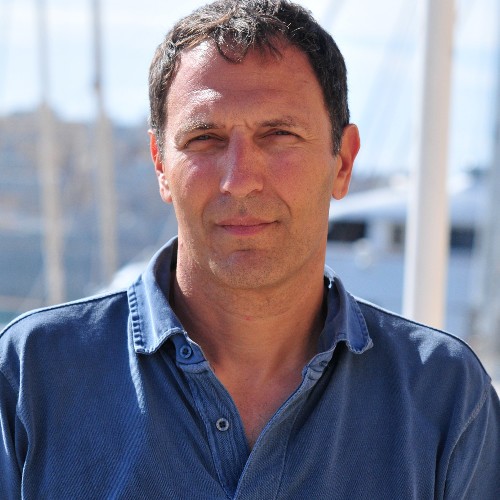
Jeffrey Sweetbaum
Items Warehouse, Plyko LLC
Biography
Jeffrey Sweetbaum moved to Russia from New York in September 1990. He began a trading business that eventually led to becoming involved in warehousing. He founded Items Warehouse which quickly became a leading supplier of warehousing, logistics and supporting services to international pharmaceutical companies working in the Russian Federation. It grew to €15M in service revenues and 500 employees in ten years and was divested to Len Blavatinik's Access Industries in 2003.
From 1992 – 1997, he was also involved in exporting plywood. After an initial purchase of 25.1% of “OAO Fanplit” in Kostroma during voucher privatization, he formed Plyko LLC as a holding company for his shares in this Russian manufacturer of plywood and particle board. Investors included the US Russian Investment Fund, Len Blavatnik and Sam Zell.
After exiting from his Russian business ventures in the early 2000s, he became resident in Montenegro where he owns an adventure travel company.
Summary of Main Topics Covered
Jeffrey Sweetbaum’s path into Russia was unconventional, shaped by chance encounters and early exposure to Soviet media in the 1980s. He arrived in Moscow in 1990 during the final phase of the Soviet Union and quickly identified arbitrage opportunities in exporting low-value Soviet goods to U.S. markets. This evolved into a larger logistics and warehousing business (ITEMS Warehouse), where he capitalized on underutilized infrastructure and growing demand from Western firms such as Colgate-Palmolive and Johnson & Johnson. By modernizing warehouse operations and maintaining Soviet-era labor structures, he built a company employing roughly 500 people while navigating the ambiguities of early post-Soviet commercial practices, including customs irregularities and property disputes. Sweetbaum later expanded into industrial investment, acquiring a controlling stake in a plywood factory (OAO Fansplit) in Kostroma through privatization. Working with the U.S.-Russia Investment Fund (TUSRIF), he helped modernize production—especially particleboard manufacturing—while opening direct export markets. Despite operational improvements and partial financial recovery, macroeconomic volatility (notably the 1996 ruble policy shift and inherited debt burdens) constrained profitability. Ultimately, structural issues—especially the necessity of offshore financial mechanisms to generate returns—led to the sale of the enterprise. Sweetbaum’s experience reflects both the opportunities and contradictions of Russia’s transition: he helped sustain major enterprises and employment, yet concluded that systemic corruption, weak institutions, and enduring cultural patterns limited deeper transformation. He left Russia in the early 2000s, viewing the experience as personally transformative, particularly in shaping a more critical view of unregulated capitalism and its human consequences.
Daniel Satinsky: Thank you, Jeffrey, for agreeing to do this interview and the discussion with me. I’m going to start with what I’ve always asked everybody, is how did you get interested in Russia and how did you end up going there out of that interest?
Jeffrey Sweetbaum: I ended up in Russia in early 1990, May, and I had a friend who was going there, coincidentally, with his brother for an art exhibition, and I got to meet some Russian artists, and I decided that what was happening there was just absolutely extraordinary, and I decided that I wanted to take part in some manner, shape or form. And so, I set my sights on returning, and I ended up coming back in July, and finding a place to stay, and then in September of 1990 I moved to Russia.
Daniel Satinsky: Okay. And you moved to Moscow, I assume, right?
Jeffrey Sweetbaum: I did move to Moscow.
Daniel Satinsky: And at the time you moved there did you have a job, or did you have a plan for what—
Jeffrey Sweetbaum: No, I wasn’t employed, but I had already, even in my first couple of trips there, figured out that there were some people that were selling Russian kitsch, things that we wouldn’t really identify as very valuable in Russia at that point. They were flags and banners and all sorts of znatchki[^1] and matryoshka dolls and all sorts of Russian things. And I found a market for it in America, and I started exporting it, and located some Russian wholesale organizations that had things to sell, and I was able to buy them in rubles.
And there was obviously a tremendous arbitrage between the U.S. dollar and the ruble, so I was buying things very inexpensively and shipping them back to the United States. And it happens that there were containers that were coming to Russia filled with consumer goods and going back to the United States empty, and I was able to take advantage of that and basically buy entire containers for 800 euros or dollars, as it were, and send stuff back to the United States.
Daniel Satinsky: That’s a lot of small items in a big container.
Jeffrey Sweetbaum: Yeah. I ended up shipping hockey sticks and ping pong rackets, and I got to know some Russian wholesale organizations that were buying stuff from….well, from Latvia, Estonia, and they were things that were actually being exported anyway to the West, and I was able to buy them through the Russian wholesale system at much lower prices, so they became like gray imports into the United States.
Daniel Satinsky: And this was still the Soviet Union while you were there.
Jeffrey Sweetbaum: No, it was…this was ’91, ’92, and the Soviet Union had already collapsed, so I was there just at that point in time, and it had already collapsed. And so yeah, I mean, we were in Russia, I guess, at that point.
Daniel Satinsky: Did you work with Russians? Did you have a staff?
Jeffrey Sweetbaum: I started with a couple, two or three Russians. I met one Russian guy and then I kind of found another couple. I mean, I met Russians, yeah. I wasn’t working with anybody that wasn’t Russian back then because there really weren’t many foreigners there.
Daniel Satinsky: And did you speak Russian, or did you learn it?
Jeffrey Sweetbaum: I started studying the moment, even before I got there to live there, and so I started. And I had already created a base for myself by the time I got there in May of 1990. And I guess within 12 months I had a decent Russian base.
Daniel Satinsky: So, you could…you didn’t necessarily rely on these guys to understand what was going on around you, you were—
Jeffrey Sweetbaum: I had somebody who was able to translate pretty much for the first, you know, few years I was there, because I didn’t understand a lot of stuff. But, you know, after—by 1994 already I spoke Russian.
Daniel Satinsky: And so a lot of people had difficulty finding reliable partners, let’s say. I mean, there was a lot of double dealing and things like that, particularly in those early days, so you must have been lucky in the sense that you had people that were operating in a businesslike manner with you. Is that fair?
Jeffrey Sweetbaum: Yeah. I don’t think I ever got into too many positions where I was in a position to be cheated, because I was just buying stuff that nobody wanted, and exporting it. And one of the wholesale organizations that I was doing business with had some warehousing, and they asked me if I could find somebody to rent it from them. And there was a newsletter that was going around in the hotels, and I put a little advertisement, and I got a call from Colgate Palmolive, and they needed warehousing.
And they came and saw this, and they didn’t like it because it wasn’t up to Western standards, so we invested a bit of money and we improved it, and we ended up signing a contract to rent the warehouse space, and then we signed a contract with Colgate to manage their logistics for some toothpaste that they had coming from Egypt, at that point in time. So, it got me started in the warehouse business.
But to answer your question, we never really…we didn’t really have partners, so to speak. We were just…we contracted ourselves. We didn’t have Russian partners, per se. I had Russian employees, and I had relationships with organizations that we had contracts with, but it was a bit different than having somebody that we were relying on.
Daniel Satinsky: And so, it was a benefit to them because they were getting rid of stuff they didn’t know how to get rid of.
Jeffrey Sweetbaum: Yeah, or in the case of MosComSport Predpriatiya[^2], we rented 500 square meters of space from them, and they wanted the rent and that’s it. They weren’t…I mean, it was run by an old lady, the organization, and she wasn’t really in a position to kind of take over the warehousing operation that we set up. And throughout the period of time, we just…we were an organization that a lot of people turned to because we knew what we were doing, and we just kind of never were in the situation where it made sense for somebody to want to kind of get rid of us. And that was kind of…intuitively I kind of knew how to allow us to stay in that situation.
Daniel Satinsky: And what was the name of the organization you rented it from?
Jeffrey Sweetbaum: Well, it was part of the Mosov…no, that was MosComSport Prepriatiya, but it was part of kind of what was called Rostorg, which was Russian trading organization. It was a Russian trading organization. And there were a lot of them, and they were all located in centralized warehouses, so one floor would be owned by an organization like Optgalant, which traded in things like handbags and gloves, and another one would be in sporting goods, and another one would be in souvenirs.
And they were all located in the same building, and as soon as people found out we were renting warehouse space, other people suddenly had warehouse space to rent. And over a period of time, we rented more space from different organizations. And then at some point we got into…I would say we got into some kind of dispute with the owners of the building, who realized that we were profiting by being there, and they decided that they didn’t want…they wanted something for that.
Daniel Satinsky: Beyond the rent.
Jeffrey Sweetbaum: Yeah, beyond the rent. But the guys that were doing this, they were in their 70s, and we just basically were able to counteract what they were trying to do by going out and just buying shares of the organization from the shareholders—well, the employees had all become shareholders. And we put a van out front and we just started buying shares until we had control of the enterprise and we were able to fire the directors.
But these guys weren’t Mafia. I mean, they were just Soviet directors that were trying to keep control of what they had or trying to make the most of what they had. And at some point they thought that they could leverage their ownership of the lifts in the building, let’s say. And we had worked there, and we kind of knew everybody in the building. We’d been there for a few years by the time this all kind of happened. And so, I mean, there were disputes, but we weren’t dealing with the Mafia. I mean, it wasn’t like… They were just guys that, you know, one way or another had hoped to make something from what we were doing, and we were able to kind of, you know, do an end run around them and buy the organization. And we took it over and we ran it for many years afterwards.
Daniel Satinsky: And did you keep the same name?
Jeffrey Sweetbaum: Yeah, we kept Optgalant. We bought the enterprise called Optgalant, which was a big building. And there were other enterprises within it, and we kind of either bought or rented their space for long periods of time, but yeah.
Daniel Satinsky: Obgalant, O-B-G—
Jeffrey Sweetbaum: Opt for Optovi, meaning wholesale. So, Optgalant meant Optovi Galanteria[^3] was what it meant.
Daniel Satinsky: I see. And do you think they resented that foreigners were coming in and making some money, and here they were, guys who put their whole careers on this, and they were…it was their country, and there you were making money off of their assets?
Jeffrey Sweetbaum: Yeah, I mean…to some degree, yes. But another degree, I already knew these guys pretty well. I mean, I had been working day in and day out in the building, in the organization. We had had a relationship. We had had contracts with them. And so I think it wasn’t…you know, I think that they were just…you know, they were coming to an end of a career and an end of an era, but I don’t…I mean, I don’t think there was really any hard feelings. It was just, it was kind of they saw the writing on the wall, and to some extent we had no choice but to kind of grow and, you know, take advantage of the opportunity to buy what was there, and…yeah, I mean, you know.
I ended up kind of taking over all of the employees in the organizations there, so we ended up very quickly with 500 people, you know. And so, the relationship wasn’t…how would you say? There were aspects of it which were antagonistic, but at the same time, you know, at the same time they were symbiotic. And so maybe they were suing us on one day, but we were working together the next day. And so, you know, it was just trying to gain some advantage, in a way. And it wasn’t…but it wasn’t extremely…it wasn’t extremely antagonistic, and to some degree we had good working relationships with these people at the same time as we were trying to maneuver for position, let’s say.
Daniel Satinsky: Right. So, you ended up with 500 Russian employees. Did they…what did they think about all this, do you know? I mean…
Jeffrey Sweetbaum: Yeah, I mean…okay, so I kind of have…they got to keep their jobs, and a lot of people were losing their jobs then. And there was definitely—and, you know, I was a pretty well-known person in this organization, and was hands-on, and I had good relationships with people within, you know. And we tried really to treat everybody well. And it was a kind of…it was part of the DNA that I put in the organization that, you know, we were trying to keep everybody employed and did try and maintain some level of welfare. And so there were probably, you know, there were probably pig farms that we owned, and other assets, and camps and stuff. And we kept some of that stuff going.
And I think people were pretty apprised of the fact that everything was changing to a capitalist system, and we were basically taking Soviet assets and just restructuring them to work in a capitalist system. And so I don’t think anybody was resentful about it. I mean, you know, the people that were down and working in the warehousing part of the business were doing the same thing they had always been doing, just for a slightly different person, and with different products that had much more opportunity.
So, you know, our clients were Colgate, and Johnson & Johnson, and pharmaceutical companies, and companies from India in those areas, and health and beauty aid companies, so people were seeing what was coming through the warehouses wasn’t our merchandise, we weren’t trading, but they were seeing that this was better quality stuff than what they had been storing before, so I think that there was an understanding that this was…the writing, again, was on the wall, you know, it was a transition.
Daniel Satinsky: Do you think they considered that they were working for foreigners, or they were working for Russians, or did it even make any difference?
Jeffrey Sweetbaum: I don’t think it made a big difference. And I don’t think that…I think back then there was more trust of foreigners than there was of Russians, particularly Americans. And I, you know, I learned to speak Russian. I was able to communicate with people. I was constantly there. I was a young guy. I mean, I was in my 20s. And we were doing things constantly to improve. We were getting new forklifts, and we were getting, we were building, you know, shelves, imported shelves, and fixing the floors, and ripping out asphalt, and putting in concrete and, you know, so we were constantly upgrading stuff.
We started a document storage business which, you know, was really new for Russia. So, there were some very, very low-ceilinged warehouses that had no…you couldn’t fit two or three pallets of stuff in them, so it made sense to try and repurpose it, so we came up with the idea to do document storage. And people watched all this stuff, and they understood that what was going on was basically good. And I wasn’t…you know, I was working at a pretty local kind of way, you know, and living in a kind of, you know, was kind of colloquial already by this time, so.
Daniel Satinsky: So, you lived near this warehouse?
Jeffrey Sweetbaum: No. I mean, I lived on the other side of Moscow, but I could get there.
Daniel Satinsky: And socially did you hang out with people from the warehouse, or as the owner it was kind of a distance?
Jeffrey Sweetbaum: No. I mean, I…there was a lot of social events, and I was always at them. Most of my friends were Russian, but…like so I had lots of Russian friends, but I just had a different…the friends that I had were from a different part of the society, let’s say. You know, my friends were artists, filmmakers, you know. They were just from a different part of society. But, I mean, those people, I knew them pretty well for many, you know, many years. And even after I left the business and sold it in the early 2000s, I mean, I stayed friends with many of them for many years.
Daniel Satinsky: Yeah, yeah. So, you kind of kept some of that social welfare aspect of Soviet enterprises, I mean, that there were camps and kindergartens and I don’t know what, birthday parties and things like that, that…?
Jeffrey Sweetbaum: Yeah, we kept the collective together.
Daniel Satinsky: Yeah . And when you say that, is that 500 people or is it a core group of 20, 30 managers or…?
Jeffrey Sweetbaum: Yeah, I would say that there were certain people—there was probably a core group of people. But yeah, I mean, it grew…I mean, we grew from probably 20 people to 200 people inside of two years, and over another three or four years it became 500 people. But, I mean, and we adopted them as we adopted the warehouse space. So, if we rented or bought more warehousing, the people that were working there came with it. But yeah, there was probably a core group of people who, you know, were…I was closer to, but yeah, I mean…
Daniel Satinsky: Did you have like training programs, or did you feel like you needed them at all in order to change—
Jeffrey Sweetbaum: I wasn’t that close to the actual onboarding or transitioning of people in the organization to their new roles and basically working with, you know, what we…the systems. I mean, we computerized, but this is still going back to the early 1990s and mid 1990s, so there was a certain level of atomization and communi…you know, but we were still using a lot of old Soviet systems in terms of keeping inventory. And so the merchandise changed, but the actual systems there remained the same for quite a period of time. And so, I mean, I don’t think there was that much new training going on. I mean, there was some introduction of things, but I wasn’t, on a day-to-day basis, involved with that.
Daniel Satinsky: But the systems that you inherited were efficient enough that you didn’t feel an immediate need to change them?
Jeffrey Sweetbaum: They were very efficient, yeah. I mean, actually, they were very efficient. I mean, for Colgate, I know that Colgate actually kind of gave us some kind of recognition as having the least shrinkage of any of their warehouses in Europe. So, we did well.
Daniel Satinsky: And so, you…how long did were you in this warehousing business then?
Jeffrey Sweetbaum: Well, from when we started it in 1992 until I think I sold it in 2002 or 2003.
Daniel Satinsky: And were you involved with any other businesses during that period, or were you focused on the warehousing?
Jeffrey Sweetbaum: Well, there was another major business that I was involved with, which was sheet materials from wood, which is plywood and particleboard, and then beyond that I was involved with some other deals, let’s say. But the main one was in 1993 I bought into a plywood factory in the Kostroma region [OAO Fansplit], and I had been invited, basically, to invest in their privatization auction. I had already been purchasing plywood or basically helping an English company buy plywood from the factory and helping the factory export it through a Russian foreign—well, through a government foreign trade organization, in fact, because the factory didn’t have the license, initially, to export on their own.
And so, we invested some money and won a significant share of the voting stock, and it kind of put me into a position where I became the de facto head of the factory because things couldn’t happen without me and my block of stock. And so there was a lot of responsibility that came with that, but I was very much of the mind to try and build something, and help the factory, and develop it, and so I went out and raised some money to help rebuild the particleboard part of the factory.
Daniel Satinsky: Why did you have to rebuild it? Was it just poor quality, or…?
Jeffrey Sweetbaum: Yeah, the quality was pretty bad.
Daniel Satinsky: So, that was a bad inheritance from Soviet times?
Jeffrey Sweetbaum: Yeah, I mean, but it wasn’t a difficult—let’s put it this way, for very little money we were able to buy what was a significant enterprise, and then for, again, what wasn’t so much money really upgrade the quality of the particleboard to European standards for a couple million bucks, which really helped the factory out a lot.
Daniel Satinsky: Yeah. So, were you then had to be present in Kostroma often, or were you kind of—
Jeffrey Sweetbaum: No, I was there constantly, weekly. I drove up there probably every week for five years.
Daniel Satinsky: Every week, right, from Moscow.
Jeffrey Sweetbaum: Yeah. And I would spend a couple days there. I had a place up there where I would go and stay.
Daniel Satinsky: Could you describe the difference you felt between Moscow and Kostroma in those days?
Jeffrey Sweetbaum: Yeah. It was poorer, but even more so we would go…we would work with logging organizations where we were buying the trees from, and we actually acquired some of the logging organizations, and we would go to those villages and see what they were like, and they were horrible. They were really desperate at that point in time. There was a moment where they had no money at all, and there was very little there. And so yeah, it was tough. I mean, Kostroma was also pretty bad at that moment in time. The restructuring hadn’t really taken place, so there were a lot of rusting industrial assets without people coming there to do anything, and so they just slowed down to a halt in many instances.
Daniel Satinsky: Yeah. So, you were unusual in that environment as someone who took responsibility for this transformation of this old enterprise. Is that true?
Jeffrey Sweetbaum: Yeah. I mean, look, I fell into a situation where there were really good guys. The general director, although he was a bit of a Mafia, and was trying to control the distribution of the plywood that was sold locally, nevertheless he started out on the shop floor as somebody working in the presses, and he spent 30 years in the factory, and so from a technical standpoint he was an excellent guy.
And although we had our moments in terms of some of the financial aspects of how the factory was run, and his positioning in the factory, and eventually we had to demote him from being general director, we actually had a lot of—we saw eye-to-eye with a lot of things because we wanted to change certain things in the production. And I got pretty involved with opportunities to change the way we were using the plywood and making the plywood so that it would be more valuable and cost less to produce. And so there was a certain respect there because, I mean, they clearly understood I wasn’t just coming in to rob the factory, but that I was trying to make it a better place. But yeah, that was…
Daniel Satinsky: And so, you developed new markets for that factory and export to Europe of plywood?
Jeffrey Sweetbaum: Yeah, we opened up new markets, yeah. And we were able to sell directly into markets that previously we were only able to sell to through what was ExportLes[^4] or other, let’s say, brokers. So, we were able to sell directly to retailers selling the plywood in the U.K.
Daniel Satinsky: How were you able to do that?
Jeffrey Sweetbaum: Old fashioned cold calling people, getting on the phone and talking to them.
Daniel Satinsky: Just cultural skills that the Russians didn’t have?
Jeffrey Sweetbaum: Yeah, I mean, they had a good department. It wasn’t exactly a marketing department, it was more of a sales department overseeing the sales of the product, but they weren’t reaching out, and they weren’t going to trade shows, and they weren’t calling potential buyers in other markets because that had been the purview of ExportLes. And so, we started to do that.
But, I mean, I was doing that simultaneous, so we were exporting plywood from there simultaneous to ExportLes, and then ExportLes was basically—it didn’t exactly fall apart, but we no longer needed to work through them. The factory got its own export license and so it was able to export directly. And so, we started to export different products to different markets. Egypt was a big market for drawers, a certain type of plywood for drawer sides, and so yeah, we would entertain Egyptian buyers, and they would come, and they would give us downpayments, and we would sell them plywood for their business.
Daniel Satinsky: I assume you were pretty cost competitive at that point in those foreign markets.
Jeffrey Sweetbaum: Yeah, well, Russian manufacturers of plywood suffered from a notable discount because the Finns were able to sort of con or bribe the Russian ExportLes, who was also responsible for buying equipment for the factories. And this Ministry that was responsible for running these factories kept the Russian factories on a prewar standard, so we were selling 5 by 5 foot plywood into a 4’ by 8’ market, so buyers were hoping or buying 4 by 8 plywood for a much higher price than they were paying for 5’ by 5’ plywood, and so Russian plywood was basically, the manufacturers were kneecapped by the fact that they were producing the wrong size plywood, for the most part. There were markets that were able to take the 5’ by 5’ plywood, like harper grippenrod and other stuff like that, and we were able to sell into those markets, but we were getting probably 30% or 40% less per cubic meter than somebody that was selling a different shape plywood board.
Daniel Satinsky: And so, I assume then you changed that, you changed the—
Jeffrey Sweetbaum: It eventually changed, but after I left, after I sold the factory. We were not able to…we weren’t able to change to a 4’ by 8’ standard while I had the factory—
Daniel Satinsky: Why not?
Jeffrey Sweetbaum: Because we would have needed more capital to do it. Yeah, that was probably the primary reason. We would have needed more money to do it than we had at that time. And at the same time, we were also improving the sales of 5’ by 5’, so we were closing the gap, let’s say. We started selling higher grade plywood to the United States. I found buyers in the United States, furniture manufacturers that had started to order containers and were able to use the 5’ by 5’ plywood effectively. And so, we were able to close the gap in terms of the arbitrage between 4’ by 8’ and 5’ by 5’.
Daniel Satinsky: I see. And were there other foreigners working in the factory, or just you?
Jeffrey Sweetbaum: No, there were no other foreigners. Well, okay, I brought, let’s say, some people over, consultants from time to time to look at certain things, and I had a financial director who was an American guy, but there was nobody else working in the factory.
Daniel Satinsky: Did the financial director live there in Kostroma?
Jeffrey Sweetbaum: No, no, but he visited there often enough. I mean, he was living in Moscow also.
Daniel Satinsky: Okay. And the changes you brought were in what, the style of business, the marketing and…what about the organization of the factory itself?
Jeffrey Sweetbaum: No. I mean, it was actually really well run. I mean, I have to hand it to the guy who was the general director when I took it over. He was a very strict guy. I mean, he didn’t, you know, he would fire people who were alcoholic, and he kept a pretty tight grip on the factory, and so it was a well-run factory before I got there. And they had managed that on their own.
And so I think I just, you know, I made certain aspects of the product development more dynamic than they might have otherwise been. I mean, the guys knew what they needed to do. They knew they needed to upgrade the particleboard. It wasn’t that I went in and told them that this is what needed to happen. They told me that it’s what needed to happen.
Daniel Satinsky: But you had the connections and the capital to make it happen, which they didn’t.
Jeffrey Sweetbaum: Yeah. We raised money and yeah. But we were raising money in a very, very unstable time, so… I mean, the factory…we raised probably $5 million and were able to probably actually invest less than half of that, because going back to the time when we were making these investments, the ruble was devaluating very quickly against the dollar, which was a good thing, because we were selling in foreign currency, and so there was a tremendous inflation on the one hand, but the ruble was against the dollar always weaker and weaker, so there was a kind of equilibrium. But when the election of Boris Yeltsin came on, the American, let’s say the Americans that were helping run the reelection campaign and the, let’s say the reformers who were trying to get Yeltsin reelected decided that a weak ruble wasn’t helping the case to get Yeltsin reelected, so—
Daniel Satinsky: This is the ’96 election?
Jeffrey Sweetbaum: Yes, so this is when basically they decided to change the nature of the devaluation of the ruble, and they actually made it stronger almost overnight. And there was a moment in time when the ruble was running around nine to the dollar, and we woke up the next morning and it was six to the dollar, and so we were getting many less rubles for our dollars, and as a result things changed. We weren’t able to buy the raw materials that we needed to buy and yeah, we struggled through this period, and we had debt. The factory had always had debts. And the debts were, I mean—
Daniel Satinsky: Dollar debts?
Jeffrey Sweetbaum: No, they were ruble debts. Which was fine back then because the ruble was devaluing against the dollar. But suddenly we had a third more debt, and it was no longer devaluing. And so while we had planned to use this money that we kind of raised to invest in the factory, and even to start a new line of veneer production, we weren’t able to do that because we were forced to pay off this debt because this debt was so expensive, and suddenly was running at a rate that we couldn’t afford to keep it anymore. So, keeping the ruble debt wouldn’t have been a problem had the ruble continued to devalue against the dollar.
Daniel Satinsky: And so, when you raised the money, how did you raise it? You borrowed from Russian banks or from Russian oligarchs, or who?
Jeffrey Sweetbaum: No. No, from the U.S. government.
Daniel Satinsky: From the U.S. government. Ah, okay, so these were dollar denominated debts—or ruble denominated debts that you got from the U.S. government?
Jeffrey Sweetbaum: No, no, we didn’t—the debt that we had was kind of just…it was bank debt that the factory had had historically.
Daniel Satinsky: Oh, okay, that was historical debt, okay.
Jeffrey Sweetbaum: Yeah. And some of it related to the fact that the Russian government decided, in its wisdom at one point, to start collecting VAT from factories on goods that were supposed to be exported. Goods that were exported weren’t subject to VAT, and what happened was the guys that were exporting gold from Russia weren’t actually exporting it. They were pretending to export it. And this kind of got, the government got wind of this. And suddenly the government decided that all exports from Russia would have VAT charged on them until such a time as the factories could prove that the goods had actually been exported. And to prove it they wanted a government document from the government where the goods had been exported. This was a really onerous requirement.
And we suddenly, when this happened, we fell into debt immediately because we were paying VAT suddenly on goods that were being exported, which was about 80% of the value of the factory. Even if it was only 50% of the actual goods, it was 80% of the value. And so, we suddenly had to come up with hundreds of thousands of dollars which we didn’t have, so we would borrow this money from the banks. And then when the ruble became stronger, and it stopped devaluing, the debt was denominated in rubles, and the price on the interest rate was set, that didn’t change.
And so, it coincided with when we had raised about $5 million from the U.S. government, which was equity, it wasn’t a loan. We got an equity infusion, but unfortunately, we had to use most of that equity infusion to deal with the debt that the factory had had. And so, these were just—that was just kind of like what was coming at us on a daily basis, these kinds of changes, you know, macroeconomic changes.
Daniel Satinsky: So, you got the money from The U.S. Russia—
Jeffrey Sweetbaum: U.S.-Russia Investment Fund, yeah.
Daniel Satinsky: Investment Fund, TUSRIF, right? Did they come looking for you or did you go looking for them?
Jeffrey Sweetbaum: No, I approached TUSRIF, and they were looking for an investment at that point in time that was bricks and mortar, because they had invested in a startup between Columbia Hospital in New York and Pepsi-Cola in Russia for some reason, and they tried to build a clinic. They built like a kind of small, but very expensive clinic with American doctors that were flying back and forth first class, and they blew through a few million bucks in about 18 months. It was like their first deal. And they were looking for something a bit more, let’s say, just bricks and mortar, stuff you could find. And a plywood factory appealed to them at that point in time. And we had a good story. I mean, actually, plywood is a very good product, and Russian plywood is very well made, and there was plenty of markets for it.
Daniel Satinsky: So, was TUSRIF headed by Pat Cloherty at that point or not?
Jeffrey Sweetbaum: No, she came later. It was run by Austin Beutner at that point.
Daniel Satinsky: So, you were one of the very early—
Jeffrey Sweetbaum: Yeah, we were probably the second, if not the—the second or the third deal that they did. There was another deal which happened to be also in Kostroma, which was a bottled water company called Saint Springs. I don’t know if you remember it, but it was a pretty well-known—
Daniel Satinsky: Yeah, I do.
Jeffrey Sweetbaum: Yeah, it was a pretty well-known deal back then.
Daniel Satinsky: And that one was pretty successful for them, right?
Jeffrey Sweetbaum: Yeah, Saint Springs went well, yeah.
Daniel Satinsky: So, how did they react to the problems you were having? Were they aware of all this?
Jeffrey Sweetbaum: Yeah, they were aware of it. But what happened was they had taken a huge amount of time to do due diligence on the deal, so from when I approached them to when we actually got money, a year passed. And there was a point in time when I was sitting up in Kostroma, and this news about the ruble came, and I immediately knew, I mean, within minutes of hearing the news, the implications were clear. And I was with a couple of the guys from TUSRIF up in Kostroma at that time, and we talked to Austin and said, listen, this is going to completely negatively affect all the plans that we have. And I sort of gave him the opportunity to stop the deal if he thought that, you know, because he...I said to him. And he implied that we would find more money, but to go ahead, because they wanted to close the deal. They were under a certain amount of political pressure to get deals closed. And we were close, and we had spent a lot of time and a lot of money on it. And they just said proceed, let’s just proceed and we’ll work it out. And there was never a real opportunity to go back to them to try and raise more money.
But by and large what we did I think saved the factory. And I think that they were appreciative of the fact that there was a good couple million bucks out of the five million that went into changing the production. And really, the reason that it was so critical is that every plywood factory has 70% of the wood goes to waste, and you need to do something with it. You either need to burn it or ship it away from the factory. And because the factory was in the middle of Kostroma, like right in the center of town on the Volga River, the opportunity to ship it was very expensive, and the opportunity to burn it wasn’t really there. And some of the waste we did use to keep the ovens for the plywood, but we needed to manufacture particleboard. I mean, if we weren’t making 70,000 cubic meters of particleboard every year the factory would have gone bankrupt.
And so, what happened was we went from having really bad particleboard to having the best particleboard in Russia. And so, if there was a downturn in the furniture manufacturing—which there were a number of them—people would still turn to us to buy our particleboard because we didn’t raise the price, really, we just wanted to get rid of it. We had to manufacture it and we had to sell it. So, we always had a market for our particleboard, which is what happened. And it really saved the factory, and that was 1,100 people.
Daniel Satinsky: Wow. So, what was the attitude of the regional administration, the Russian regional administration to you and to what you were doing with the factory?
Jeffrey Sweetbaum: It was pretty good. I mean, we had lots of interactions with the governor and with the people in Kostroma. We bought the factory together. I mean, there were a number of auctions of shares over a period of time, and we would buy different lots of shares from the town and from Kostroma. And yeah, I mean, we had a good working relationship because we had, you know, we were right in the center of town, we employed 1,100 people, and they considered what we were doing pretty good. I brought the government people there in contact with U.S. government officials, and I actually flew with the governor to the United States, and we visited some factories, OSB factories in Georgia, and showed them what sheet material production was like in the United States. And so, we got to know them pretty well.
Daniel Satinsky: And so, you were kind of a savior for them, in a sense.
Jeffrey Sweetbaum: I mean, at some level I guess the factory would have continued, but I think what we did was a good thing.
Daniel Satinsky: Ultimately why did you sell it?
Jeffrey Sweetbaum: Well, there was really only one way to make money then at that point of time, and that was working through an offshore company. And it wasn’t really acceptable for the U.S. government to be involved with a business which was working through an offshore company. And so—
Daniel Satinsky: Can you explain why that’s the case that the only way to make money was through an offshore company?
Jeffrey Sweetbaum: There was too much taxation locally. And what most exporters were doing at that point in time was they were tolling factories, and so they were just, you know, they were basically buying raw materials and paying a fee to manufacture the goods. So, aluminum factories were famous for this, that an offshore company would buy the raw materials to make the aluminum, pay them, let’s say, $25 or whatever it was to create a ton of aluminum, and then the aluminum belonged to the…so the factory wasn’t really making money, it was being tolled, it was being used as a manufacturing facility.
And they were doing that to avoid taxes, which were onerous at the time, and rightly so, including this—this VAT thing was a big deal because you almost could never get the right documents to get the government to credit back the VAT. It would take forever. I mean, we’re talking about a year. Because when you import something into the U.K. or to Germany, you don’t necessarily get a document that was acceptable to the Russian government to give you back the VAT and getting the tax authorities to give you back that money was like pulling teeth. And so, the tolling was to get around that.
And we weren’t tolling, we were working correctly, but we weren’t making any money, and it was clear to everybody that you needed to work through an offshore company, which was like tolling. So, in other words, you were buying the goods from the factory at a break-even price, making money in Cyprus, and then using the money in Cyprus and either distributing it or reinvesting it.
The problem was with the factory in Kostroma, besides…although we had 75% or more of the shares because we had accumulated a super majority, we still had 4,000 minority shareholders, which were local people who had invested their single voucher in the factory. And so with all those minority shareholders, who wouldn’t be taking advantage of what we were doing and making money offshore, it was not correct to be seen, at least by the government—it was a very difficult thing to do, although it was probably better for the factory long-term, and for everybody long-term, taking the money offshore wasn’t the right thing to do, and so—
Daniel Satinsky: Sure. You would have been, in a sense, cutting off a revenue stream from that 25—
Jeffrey Sweetbaum: From the factory, right. And we would have been depriving the factory of certain amounts of the revenue in order to make money ourselves. And so, in conjunction with TUSRIF, we decided we couldn’t do this, and therefore we needed to sell the factory. And we found a buyer, which was a Russian…Severstal, in fact, the big steel company. They had been diversifying at that point, and they bought a few plywood mills, and they bought ours among others.
Daniel Satinsky: Did they set up an offshore mechanism?
Jeffrey Sweetbaum: Whether or not they did, or didn’t I don’t know, but they didn’t hold onto it for very long, either, because it turned out to be a pain in their asses to own it, and it wasn’t worth it. It was a tiny speck. And so they actually sold it to a group of guys called Sveza that were actually taking over plywood factories and doing a good job with them. And whether or not they had an offshore company—
Daniel Satinsky: Russian guys?
Jeffrey Sweetbaum: Russian guys, yeah. And I had contact with them because we worked with them. I actually bought plywood from them for other places, so we were in business with them at some level, and we knew them. But we didn’t sell directly to them, we sold to somebody else.
Daniel Satinsky: So, they ended up owning it, and do you know what happened to the factory? Is it still operating?
Jeffrey Sweetbaum: Oh, yeah. It’s still running. Yeah, absolutely. And it…yeah, I mean, it’s got a website. You can go online. You can buy plywood there. And I think the same guys, or some later version of that company still exists, and so yeah.
Daniel Satinsky: So, that was a successful transition from a Soviet enterprise to a locally run or, you know—
Jeffrey Sweetbaum: It wasn’t…yeah. I mean, by and large what we did helped the factory. I think TUSRIF ended up getting about 70% of the investment back. They didn’t make any money. But compared to the…if you went down the laundry list of all their investments, that was probably way ahead of the game in terms of the effect that the investment had was positive, and the fact that they got most of their money back was also probably well ahead of most of their investments there.
Daniel Satinsky: So, those early investments, they really just lost money on them.
Jeffrey Sweetbaum: Some of them did. I mean, like Saint Springs is a good one. I mean, I think they returned a multiple. But in venture capital that’s what happens. I mean, you know, you lose some and you win some big ones and, you know. I mean, I think that TUSRIF’s investment in Fanplit was kind of almost a break-even situation, for all practical purposes, because they did a lot of good and they got a significant amount of PR value out of it, and I think by and large it was an okay deal.
Daniel Satinsky: So, you were spending a few days a week in Kostroma, and you were also running a warehouse business at the same time.
Jeffrey Sweetbaum: Yes.
Daniel Satinsky: And so, did you have time for anything else but work? Were you part of that whole expat scene in Moscow at all?
Jeffrey Sweetbaum: No, I mean, not so much. I mean, in the winter cross country skiing or skiing, I mean, you know, doing stuff like that. But I had a Russian wife and a kid and, you know, I mean, I was, you know. I was pretty local at that point, so no, I wasn’t very involved. And I played poker with Fred Berliner and, you know, I knew those guys well. I was in that a clique of people, but you know.
Daniel Satinsky: Yeah. You know we have an interview—well, not an interview with Fred, but at least some of the things he wrote about his experience are in the archive.
Jeffrey Sweetbaum: Yeah, yeah.
Daniel Satinsky: And did you belong to AmCham or Moscow Country Club or any of those things?
Jeffrey Sweetbaum: No. Well, AmCham I think we did at one point. We were a member. Our company was a member.
Daniel Satinsky: What was the name of your company, the warehousing?
Jeffrey Sweetbaum: ITEMS Warehouse was the name of the company that belonged, ITEMS. And so, we supported AmCham at one point. But no, I mean, the country club, no, not at all.
Daniel Satinsky: So, you really blended, really, into Russian life primarily, then.
Jeffrey Sweetbaum: Yeah, I guess so, yeah.
Daniel Satinsky: And when you arrived there in the early ‘90s did you think you would be there that long?
Jeffrey Sweetbaum: No. I didn’t, I didn’t. I didn’t bookend it any way, I mean, but, I mean, it lasted probably five years longer than I expected.
Daniel Satinsky: And did you…was it adventure that brought you there, or was it the commitment to change the country, or was it something else, or was it…? I mean, I don’t want the details, but just kind of the overall.
Jeffrey Sweetbaum: No. There was a sense of optimism. We thought that actually there was going to be a change in maybe somehow the mentality, but it was a bit naïve.
Daniel Satinsky: And when did you begin to think that might be naïve?
Jeffrey Sweetbaum: The apartment bombings in 1999. And the war in Chechnya was also pretty bad. I mean, there were a whole bunch of pretty obvious signs along the way. But, you know, hope dies last, as they say in Russia.
Daniel Satinsky: So, those kind of…there were a few things then in the late ‘90s that said to you maybe my time is done here?
Jeffrey Sweetbaum: No, not really. It wasn’t like that. It was just that…because I kind of never…I hadn’t…I didn’t have much of a plan to leave Russia at any point until it just sort of happened. It was kind of happenstance that I left, almost, because I decided to have a family and leave temporarily, and I didn’t even…when I left, I didn’t know I was leaving permanently anyway. But yeah, it just, it was just there were things that made it clear that it was, that the machinations, let’s say, of…well, you kind of read about from earlier eras in Russian history were very much in the DNA, and that there wasn’t really a new rebirth of the culture, let’s say, and that perestroika was a rebuilding, a structural rebuilding, but it wasn’t an emotional change, if you like.
Daniel Satinsky: And so, was that around the time when you sold the warehouse business as well?
Jeffrey Sweetbaum: I would say that they both…I mean, I had kind of understood that the change wasn’t, you know, it wasn’t what maybe we hoped for in the early ‘90s much, much before that. So, I mean, I would say like in the…yeah, in the late, by the late 1990s, you know, even the election and what happened around the election, after the election, and loans for shares and all that stuff, there were a lot of giveaways that things were just, you know, that things weren’t…you know, there wasn’t a real, you know, there wasn’t a whole new thing happening, it wasn’t just, you know, that people were hungry for a change in the way that they…in their character, I would say, in their nature.
But, I mean, I became…I lived there, and I changed being there, so it wasn’t so much… I had to readapt after I left because I got pretty acclimatized to that mentality. And, you know, I mean, I was very native at a certain point, and very organic there. And I thought—
Daniel Satinsky: Does that like mean self-interested or…what does that mean?
Jeffrey Sweetbaum: It just means that you think a little bit tougher, you know, you lose a little bit of humanity. I don’t know. I mean, it’s…there was just some… You know, I tried to go back in 2010 at one point when Skolkovo Foundation started up, and I had a lucrative idea, and I was offered a lucrative deal, and I could have made a lot of money, probably, in two or three years, but I lost the stomach for the kind of corruption that you had to be willing to, you know, be involved with to make things happen. I lost…I left, and I had gone through something, and I had kind of, you know, I lost that ability. I had lost the stomach for it.
Daniel Satinsky: So, you backed away from that business.
Jeffrey Sweetbaum: Yeah, I changed my mind about doing it, yeah.
Daniel Satinsky: Just going back again a little bit, what was 1998 like for you? Did it make any impact on you? You know, the crisis in August of 1998.
Jeffrey Sweetbaum: Yeah. I mean, it was a great thing, actually, for me business-wise because overnight we had four times the number of rubles to buy raw materials with at the factory, and all of our contracts were dollar denominated in the warehouse business, so immediately we gave all of our, let’s say, clients like Colgate or whoever it was a discount of 25%, but we still had three times more rubles. All our costs were in rubles. And the other thing is all of the Russian distributors of pharmaceuticals and health and beauty aids, they defaulted on basically their debt to the manufacturers, and so the manufacturers were no longer allowed to ship on credit, and they had to work through us. And we started to basically buy and resell the goods so the distributors could continue to sell to the pharmacies.
And also the amount of goods that were coming, you know, they were planned, production was planned a year in advance, so when everything shut, you know, when all the sales went down by 50% overnight, there were still goods coming in trucks for the next nine months, and so our warehouse was just absolutely full to the rafters. We were making more money than ever as a result of that crisis.
And we also were tipped off that it was coming. I mean, I had a…I was having a lunch with Pavel Teplukhin from Troika Dialog, and he heard from Nemtsov that basically they were going to default, so I had a few days to sell the GKOs[^5] that we had and get out, and we had very little exposure when the default came. And so yeah, it was kind of…it was like financially it was good for us, that crisis, but you know.
Daniel Satinsky: Quite different than some of the financial organizations. And many emigres who, I mean, expats who left during that period.
Jeffrey Sweetbaum: Yeah, yeah. Well, Peter, what’s his name, the guy that ran DialogBank.
Daniel Satinsky:Peter Derby.
Jeffrey Sweetbaum: Yeah, Peter Derby, yeah. He owed us a bunch of money, but we had a lot of telecom equipment that he had bought for a venture that he was doing, and it was in our warehouse, and so we got lucky again, and we were able to recoup what he owed us. But okay, I mean, it was kind of a…it was a crazy time, let’s put it that way.
Daniel Satinsky: So, because of the warehouse you were connected to a lot of different industry sectors then.
Jeffrey Sweetbaum: Yeah. Well, I mean, mostly health and beauty aids. I mean, we were working mostly for Western companies, just, you know, a few Indian companies and Western companies. And we were given a position where we were working honestly through customs, but that caused a problem for customs because most of the other customs points weren’t working honestly, and so they needed to give us our own customs point so that we could clear customs legally for all of the Western companies. Because, let’s say, a container would come through our warehouse and it would be worth $70,000, and a Russian importer would be importing an analogous product for $10,000, and so it couldn’t happen at the same customs point. So, we were basically given a customs point to keep from the statistics looking funny at other customs warehouses, if you like.
Daniel Satinsky: When did that customs post get established there at your warehouse?
Jeffrey Sweetbaum: I think probably 1993 or 1994. It was pretty early on.
Daniel Satinsky: And so, the foreign goods would be…they’d come through that customs point at your warehouse, and there you are, you’re storing them, so you had a pretty strong position then for certain types of goods, right?
Jeffrey Sweetbaum: I mean, we were storing them. They didn’t belong to us. We were storing them for companies, but yeah. And then over a period of time the Russian distributors started doing all the importation, and so we weren’t, you know. Initially the foreign companies were importing them and then selling them on an imported basis, and then that changed after a while, but yeah.
Daniel Satinsky: Okay, so what does it mean, that the Russian distributors were buying directly from Colgate in Europe or…?
Jeffrey Sweetbaum: Well, Colgate in Russia. I mean, there was a legal entity in Russia. But it was probably a trading org—it was probably a representative office. So, yeah, they were probably buying from a European supplier or, you know, and wherever it was coming from. But the contract was with a seller somewhere in Europe, and they were importing it themselves in their name.
Daniel Satinsky: And why was it coming in in $10,000 instead of $70,000?
Jeffrey Sweetbaum: Well, not in our customs point, but originally in other customs points, back when nothing, it didn’t matter what it was, basically all the goods in Russia were coming in in containers that were $10,000 in value. It didn’t matter what was in them. It was back in the day—
Daniel Satinsky: Claimed $10,000.
Jeffrey Sweetbaum: Yeah, it was something like that. And we were told at one customs point early on that we were messing their numbers up, and they didn’t want us clearing customs there because we were declaring the full, real, true value of the goods, and that wasn’t good for them. And we went to the head of Moscow customs and explained the story and he said okay. You know, he gave us, he basically said you can have a customs point at your warehouse as a result of that.
Daniel Satinsky: I see. So, by doing the full value you were actually paying more into the Russian government, but you were cutting out the grab for customs officials.
Jeffrey Sweetbaum: It wasn’t us, but we were facilitating it.
Daniel Satinsky: So, it was more income for the Russian government but less income for the Russian custom bureaucracy. I mean, informally.
Jeffrey Sweetbaum: Yeah, if they were—I don’t know what was happening elsewhere, you know.
Daniel Satinsky: Well, customs was a mess in those days, right? It was just…
Jeffrey Sweetbaum: Yeah. I mean, it probably still is, I mean, but yeah, it was very, very bad then.
Daniel Satinsky: So, who did you sell your warehouses to?
Jeffrey Sweetbaum: I sold my stake to my partner at the time, who was Len Blavatnik. You know, Access Industries. Len and I had been partners since about 1993, when he had invested some money, and so he was a kind of silent partner.
Daniel Satinsky: He was a financial partner then.
Jeffrey Sweetbaum: He was an investor. I mean, he invested once and that was that. I mean, we were never…we were profitable, pretty much, and so it wasn’t that he was investing over and over, and he wasn’t, you know, but it was like he made a good investment at that time.
Daniel Satinsky: And so, his payoff was through dividends and the payments to shareholders that you made or…?
Jeffrey Sweetbaum: Yeah, yeah. And he still, as far as I know he still owns the company.
Daniel Satinsky: And how many…at the time you sold how many employees and sort of how much, do you know—
Jeffrey Sweetbaum: Like about 500 people working in the warehouse.
Daniel Satinsky: So, a pretty good volume of goods were going through there on a yearly basis.
Jeffrey Sweetbaum: Yeah. Several hundred million, I would say, at least.
Daniel Satinsky: Well, so this…you said earlier this whole experience changed you as a person, you know, and would you say at the end of the day better or worse? I mean, for the better or for the worse. Maybe that’s not the right way to do it, to say this. I’m just trying to get you to say a little more about what it meant to be so involved in business in those years as you look back on it.
Jeffrey Sweetbaum: Yeah. No, I mean, that’s an understandable question. I think, to a degree, there was a certain disillusionment about business as a class of human interaction, capitalism as a class of human interaction, and that while it’s an extremely positive and productive generator of wealth and ingenuity and creativity, the flip side of it is that it evokes a negative part of the human personality in the form of greed and power. And I found that what might have remained hidden from me if I stayed in, let’s say, more Western endeavors, which do better at hiding the duality, the Russian experience highlighted it in a very clear way.
Amazing things were happening in a short period of time, incredible wealth, incredible things. People, you know, if they could dream it, it could be done back then. And that was impressive, and I’ll take my hat off to the oligarchs and the guys that did what they did because they broke a lot of eggs and they made a lot of omelets, and it was truly impressive, even if it was often difficult to watch humanity battle and beat up humanity, you know. It was not pretty, a lot of times.
And so, I grew up quickly in terms of understanding what capitalism can do and, you know, in good and bad ways. And I think since that time I’ve been a real big believer in benefit corporations as a much more important form of capitalism, or a much more humane form of capitalism that I think should be adopted in a lot of places and a lot of industries. And yeah, I think that, you know, I came to believe that there’s a lot of good, but a lot of bad that can come, and capitalism needs to be regulated. So, if I went there with capitalist ideas, I came back a socialist, to a degree.
Daniel Satinsky: And so, in that sense Russia changed you more than you changed Russia?
Jeffrey Sweetbaum: Oh, vastly, yeah. I don’t think I changed Russia hardly at all, and it changed me a lot, yeah.
Daniel Satinsky: Well, I guess, you know, looking at some of the changes that you did make, and not just you, but the other people that I’ve interviewed, some of the…the change from a planned economy to a market economy was facilitated by many of you, and those market structures and ways of economic activity are still there, even though they’ve got a Russian flavor and Russian owners. Would you disagree with that or agree with that?
Jeffrey Sweetbaum: Look, I think it’s sort of like all of that, let’s say, capitalist energy and all of that was like, it was like a fish tank that was—everything was there in the fish tank, and then the glass broke, and I don’t know how different it would have been had none of…if any of us had never been there. The fish would have gotten out, and they would have started to propagate, and they would have swam out into the ocean.
And, you know, would there have been a stock exchange if Fred [Berliner] didn’t do that, or would the particleboard plant get rebuilt if TUSRIF hadn’t invested, or would those warehouses have been repurposed for good use? I mean, I kind of think that they probably would have been. And I think we were witnesses, and in some instances change makers, but by and large I think a lot of it would have happened in any event, and we just…it was just pretty entertaining to be there and to watch it all happen, and a privilege, to a degree, to get to participate in it, like really firsthand, I mean, you know.
But the oligarchs were doing in oil and gas and aluminum, telecom—well, telecoms and energy what I did in plywood. And I just saw them and I wanted to stay away from all those industries because they just were clearly dangerous, you know. And so, I was kind of mimicking, to a degree, what Len and Victor Vekselberg and other guys were doing, because I saw it happening. I mean, I got the ideas from them, and I went out and I did it. But it would have happened, you know. And even if one of the oligarchs hadn’t been there, somebody else would have been there, you know. It’s almost…capitalism is kind of human nature, in a way, so yeah.
Daniel Satinsky: Okay. Well, you know, I think I want to wrap it up with that.
[^1]: Pins
[^2]: Moscow City Sports Committee Associations
[^3]: Haberdashery
[^4]: Russian State wood export organization
[^5]: Short-term zero-coupon government bonds