The Satinsky Archive
Citizen diplomacy in the 1980’s
Western Impact on the Transition to the Russian Market Economy
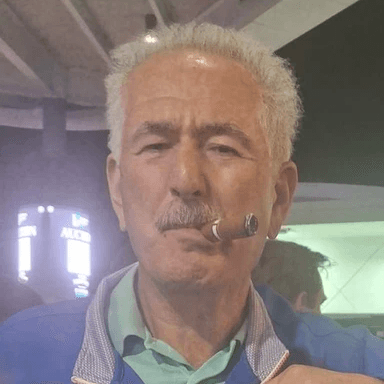
Greg Oztemel
Satra
Biography
Greg Oztemel is the son of the pioneering entrepreneur, Ara Oztemel, founder of Satra Corporation (contraction of Soviet American Trading), which was formed in 1965 and engaged in importing Soviet chrome ore and nickel, in exporting Soviet Lada cars & Belarus tractors; and in cultural exchange. Greg worked in the domestic side of the business until moving to Moscow in 1985 to work in the Soviet office of Satra. In the early 1990’s, he founded his own company primarily distributing medical equipment and disposables. He moved out of Russia in 1991 and then returned in 1995, staying until leaving in 2021. Greg was an inside participant in the changing business environment from the era of Soviet export commodity trading to a highly competitive Russian market economy.
Summary of Main Topics Covered
Greg Oztemel recounts a multi-decade career shaped by his father’s pioneering trade with the Soviet Union beginning in the late 1950s. His father’s firm, GregGary International (later Satra), became a major importer of Soviet chrome ore into the United States, overcoming Cold War restrictions through persistence and relationships with Soviet foreign trade organizations. Over time, the business expanded into exporting Soviet goods—including Lada cars, Belarus tractors, and later nickel—into Western markets, operating as a key intermediary in a tightly controlled system where trust and personal networks were essential. Oztemel describes how these relationships enabled diversified trade but also exposed the firm to political and commercial conflicts, including disputes over Olympic broadcasting rights and tensions with Soviet ministries. Entering the business in the 1980s, Oztemel witnessed the collapse of Soviet trade structures and the upheaval of perestroika and the post-Soviet transition. He emphasizes how experienced Western firms were often disadvantaged in the chaotic 1990s, as corruption, gray markets, and new actors reshaped opportunities. After splitting from his father, he built an independent business focused on importing and distributing Western medical equipment across Russia, capitalizing on unmet demand and state-funded healthcare procurement. Despite success, he reflects on persistent corruption, shifting attitudes toward foreign partners, and the eventual localization of business by Russian actors. Oztemel concludes that while the period offered extraordinary commercial opportunities, it was ultimately unstable and unlikely to be repeated, with foreign participants often overestimating their long-term role in Russia’s economic development.
Daniel Satinsky: Greg, it’s good to see you in person after speaking on the phone. And you have kind of a unique history with Russia because of your father’s business there, and I know you want me to ask you questions about it so we can—
Greg Oztemel: I can start off with some stuff, yeah.
Daniel Satinsky: Yeah, why don’t you.
Greg Oztemel: Because we grew up…my father, I guess, had started visiting the Soviet Union back in the late ‘50s, I think, even. We knew nothing about it, but then as we got older, we kids got older and older, he was starting to bring business home with him. We had all sorts of Russians visiting us. When they’d come to New York, we’d bring them out to Greenwich, and we’d go do a bunch of things with them, and so it became part of our life.
I mean, I really didn’t know exactly what we had, he didn’t explain anything, so I didn’t know anything what we had and all those people there until I actually went to Russia, and I learned later what was going on. So, I knew my father was working in Russia. I knew all the stuff, you know, and the stories and the people who were working with him, but I just didn’t have the value of what it was and them coming.
Daniel Satinsky: So, what specifically was he doing? He was trading, correct?
Greg Oztemel: Well, it started with chrome ore. And the original quest of his was to buy chrome ore from Russia and sell it in—well, in the U.S. He just wanted to import it here. And as it being a strategic metal, he thought he would have problems, and people told him he’s never going to be allowed. The Soviets would never sell it. Americans saying the Soviets would never sell it, the Soviets all say the Americans will never let you import it. It’s embargoed, and somehow, he got it to work. And it took him more than a few years. And, you know, all the time—I don’t know if anybody’s ever filled you in.
He sort of told me stories of he would sit there, go to Russia. The first question they’d ask him is when are you leaving? And he’d tell him a date, and then they’d make him sit there until the last day or two before they’d start conducting business. And he met a lot of people as it went on. He would meet a lot of people.
Daniel Satinsky: What was his first entree, do you know? How did he get that first contact?
Greg Oztemel: I don’t know exactly. I heard stories there was a Swedish guy that might have taken him there, and he had had some intro into it. But this is back at the height of the Cold—not even the height of the Cold War. This is even as Stalin’s coming to an end. So, this is all their—I don’t know. I think there was a Swedish guy, and I just don’t know the guy’s name. I can’t remember the guy’s name. And he took him there for the very first visit.
Because he would tell me stories that they would clear out their room at the National Hotel waiting for the phone call, and they would do nothing but, you know, they played football or soccer in the room, just banging the ball back and forth in the thing. What else do you do? I mean, you’re sitting there—or you start drinking heavily, you know. That’s what happens, one or the other. Or you do both.
Daniel Satinsky: Right. Did he have a company at that time?
Greg Oztemel: Yeah. It was called…at that time I think it was called GregGary International. It was after me and my brother.
Daniel Satinsky: Oh, okay. And so then later, when he actively got going with this chrome business, what was the name of the company?
Greg Oztemel: That was it. GregGary was the big chrome ore importer into the United States for many years. Satra, I don’t think came around until the early ‘70s, and that’s when it was…I think Satra came in the early ‘70s, you know, when the Giffin crowd came, and as you talked to John Huhs, etc. That’s when I think the thing. And then, you know—I’m pretty sure that’s the time. I don’t know.
Daniel Satinsky: He had been trading in chrome for quite some time then?
Greg Oztemel: Oh, yeah. It was an up and down business. There was all sorts of big stuff with it. You know, like I said, you get to know people. I mean, that’s where—John told you about the KAMAZ factory was coming on, and we were big exporters of cars, Ladas, and actually tractors, Belarusian tractors, the Belarus tractor. We imported the tractor into the United States and Canada, and we had the cars in Germany and Great Britain, and we had the franchise here in the United States, but they never…we never succeeded in that, mainly because they never built the catalytic converter, and they wouldn’t buy one, and, you know, that just failed.
Daniel Satinsky: So, the car exporting, and tractor and machines was like a second line of business after the chrome?
Greg Oztemel: You know, I don’t think—you’re dealing back in the ‘60s, and I don’t think they had access to a lot of different foreigners to actually take their products and sell them, so if there was a guy that people got along with and, you know, he met some people who grew up in the Ministry of Foreign Trade at that time, and I think the only…there was only one Vneshtorg ob'edinenie[^1] at the time, and that was Soyuzprom Export, and so that’s what he did with the chrome. And the guy said look, I’ve got this on my desk, I’ve got to sell cars, can you help me out selling cars? So, he helped, you know, sell cars. And then he started selling the tractors and, you know, it was… You know, I think that’s the way it went. I mean, you know, you talk about not as a—well, at the time, I mean, when I got there in the ‘80s, hundreds of us, you know, Vneshtorg associations, and at that time there was one.
Daniel Satinsky: Yeah, okay. And I’m sure it was the same then as it was later, that they like to do business with people they know.
Greg Oztemel: Yes. You know, and one-stop-shopping. Why do they—they don’t want to work any harder than anybody else does, right, at the time.
Daniel Satinsky: Right. So, were these—he helped them to accomplish what they wanted to do, which was to export these commodities into Western markets and get hard currency, I assume, right? Was that what the—
Greg Oztemel: Well, that was the main idea. But I will tell you that later on, when I finally got there in the late ‘80s, again, I’m without the name of the guy who was the Vice Minister of Foreign Trade. I went with my father to a meeting, Vice Minister of Foreign Trade, and he was there. He was in charge of all the finances of the whole thing. And we were in there, and I was, you know, naïvely, at that time, I didn’t know much, and I said, yeah, we’re doing $50 million in cars and tractors and all this stuff. And the guy looked at me, and he said, just to teach me a lesson, he goes, that’s not even this much in our budget. [Laughs.] He goes that’s not even—you know, you can’t even see how little. And I thought that was a huge amount of money, and we had just broken a barrier in the cars, and it was very funny. Very funny.
Daniel Satinsky: Yeah. Well, so when did you start working with your father in the business?
Greg Oztemel: Well, I sort of stayed domestic for a long time. You know, Russia was his private area. And I started working in a… He had gone and built a ferrochrome plant here in the United States, so he went downstream, sort of. So, he’d bring the chrome ore. He started making ferrochrome, which goes into the stainless-steel market. So, I was selling that. And then when the chrome dried up, I mean, that was the biggest problem. We had no source of chrome, so there was nothing we could do.
Daniel Satinsky: When did that happen?
Greg Oztemel: I guess the chrome sto—they stopped exporting chrome in…that would be about the…I guess the early ‘80s, somewhere around there.
Daniel Satinsky: Yeah? And why?
Greg Oztemel: I don’t know. I don’t know if they just saw that they didn’t need to ship anymore, they just decided not to. It was not a political question, I don’t think.
Daniel Satinsky: So, you were in the chrome business without a source of chrome at that point.
Greg Oztemel: Yeah, that was the sad part about it. Were trying to buy some in the, you know, from South Africa and all the other places, but anyway. Everybody had those sources tied up.
Daniel Satinsky: Right. So, you started in the business in the ‘80s, and so then, when your father’s contacts grew cold for this chrome, what did he do, did he—
Greg Oztemel: Well, don’t forget the reason why it grew—I mean, I take it back about the political, because he… Where was it? The 1980 Olympics were in Russia, right? That was the 1980 Olympics? I think it was. So, in the late ‘70s—that might have been when it was drying up—so in the late ‘70s we made a play to—and we had a guy named John Capstein working for us, and he had a contact, and they all of a sudden awarded Satra the rights to the American, United States Olympic broadcast. And so, for however many months, we held the rights to the broadcast. And we had signed contracts and everything else.
And then I think it was NBC came to their senses and paid the price that the Russians wanted, and we were left with nothing. And then, you know, there were all sorts of…a lot of conflict at that time, and it went into the early ‘80s and mid ‘80s. A lot of conflict we had, so it wasn’t very…it wasn’t very nice. There were a few people there who wouldn’t even let me, you know, visit with them at all.
Daniel Satinsky: I see. And this was a business conflict?
Greg Oztemel: Well, of course, because when we started suing the Soviet Olympic committee, or the Ministry of—I don’t know how it was, you know, which organization was taking it—but I think they…we started proposing, or we won something, or we got a right inside Russia, and we started proposing a counter trade deal that they owed us so much money, and tell you what, we’ll take how many million tons of chrome and, you know, the people at Soyuzprom Export weren’t the least bit interested in just giving up chrome without any money coming back. That didn’t help them at all. They needed to make their plan and all this. So, there was a lot of conflict, and a lot of people’s toes were stepped on.
Daniel Satinsky: Yeah. Was Satra unique in this world of Soviet American economic relations?
Greg Oztemel: Well, it was unique and not unique. You know, you kind of think—there was a couple of German companies like this. Chilewich, which you didn’t get to meet, I don’t know why Rich said no, but Chilewich had its own little things going on, although they were mostly dealing in pelts and skins. They had all sorts of other trades going on with the Chilewiches. And then there was…what’s the name of the company? Armand Hammer and his crowd. I forgot the name of his company now, where my mind just went. But they were doing things. They were doing a lot of funny little things.
Daniel Satinsky: Occidental.
Greg Oztemel: Occidental, right. And they had done—I mean, he was a little bit bigger. He was building hotels and things like that. But, you know, very much like that. He started with things like that.
Daniel Satinsky: So there was a small number of businesses that were intermediaries.
Greg Oztemel: Yeah, yeah, and they used them quite—I mean, they used them the best they could, effectively.
Daniel Satinsky: Yeah. So, did you all know each other? Was it competitive, or were you collaborative, or…?
Greg Oztemel: There’s a lot, you know, it’s…now I can’t think of his name—Ivanov. That might have been Mr. Ivanov, one of the Ivanov guys up there. You know, he told me that’s that much. There’s a lot of money to be made in Russia. I mean, regardless of everything, there’s a lot of things going on. I mean, look at all the metals, all the nickel, and diamonds, and gold and everything they’re shipping out, never mind the oil. I mean, you know.
Daniel Satinsky: So, there was enough for everybody, and you didn’t need to—
Greg Oztemel: There should have been. I mean, my goodness, they were importing trucks to dig all their mines, and there was a huge business in truck spare parts, and selling trucks in there, and oh, my goodness, there was tons of things to make money. And you just, who you knew, sort of, you kind of, you know, you went that way.
Daniel Satinsky: And that was that way up until the late ‘80s?
Greg Oztemel: Well, in the late ‘80s then the Russians, you started having the Gorbachev…I don’t want to say détente—what was the Gorbachev era of—
Daniel Satinsky: Perestroika.
Greg Oztemel: Yeah, perestroika and so forth, “khozraschyot”[^2], and more the “khozraschyot,” and people started to, you know, a lot of entrepreneurs started going, and they started requesting joint venture partners. And they were just seeking partners to make them a little bit legitimate and a little bit, you know, able to travel and everything else. They really didn’t want you. You know, they wanted your access to the Western market and Western way of life, I guess, that’s what they… By signing a joint venture, that’s all they wanted.
Daniel Satinsky: So how did you, as Satra—well, first of all, was your father still involved in the business by that time?
Greg Oztemel: Oh, sure. He was around until the, I would say the…he was very active until the early ‘90s. And then he became less active.
Daniel Satinsky: Okay. And so, what was your business in the late ‘80s? What were you doing?
Greg Oztemel: Well, the biggest part of the business was the exporting. We were still exporting nickel. We were exporting out of Russia, I’m talking, the Soviet Union. We were exporting all the cars. At that time, we only had the U.K. market, though. We were impor—then we started representing a lot of small companies and running their businesses inside Russia.
I mean, we had…we started with…we had Goodyear Tire, and we were selling all their tires, a lot of their truck moving tires, what do you call it, earth moving tires into Russia. We were, you know, at the same token we were exporting synthetic rubbers and plastics, butyl and things like that, sort of that counter trade of that. We were doing a lot of different things. I mean, I can’t even explain. We were still—and we had dabbled in the oil business, too, so it was not consistently.
Daniel Satinsky: Were you getting nickel from Norilsk?
Greg Oztemel: Sure. We got it from Raznoimport. Raznoimport…Raznoexport? I guess it was Raznoexport[^3] were good friends of ours. I mean, yeah, very good friends of ours.
Daniel Satinsky: All right. And this was all before the ruble was convertible, so…
Greg Oztemel: Long before.
Daniel Satinsky: So, how were you—so were you…how were you balancing this? You were buying things in rubles and—
Greg Oztemel: Everything was done pretty much on a purchase plan. They had their monies they had they could ex—I mean, they could export. We would pay them. We, you know, they would import from us and they would pay that. We didn’t do counter trade so much. We had the ability to do some counter trade, but not as much counter trade as you would have thought. We started to use the cars as counter trade when we were trying to, in the late ‘80s, early ‘90s we were trying to introduce Coca-Cola into the market, and that whole thing started to come up. I guess that was late ‘80s. And yeah, that was a whole big…I don’t know, mess, I guess, at some point.
Daniel Satinsky: Yeah? Why was it a mess?
Greg Oztemel: You know, we had the political power to make it happen, but the guys who were exporting the product weren’t getting their cut in the business, and they thought they demanded some money in there, and all it was doing was Coca-Cola was coming back, so they weren’t really interested in it. But we had the political power, so it was happening. But every step along the way it was just…you had to, you know, it was a lot of bashing heads and stuff like that to get it done.
Daniel Satinsky: Uh-huh, just to get Coke into the market.
Greg Oztemel: Yeah. I mean, we had introduced Coke into a few bottling factories and we…anyway, we tried, we tried. And then Coke really did a lot of it on, you know—
Daniel Satinsky: On their own.
Greg Oztemel: Afterwards they just took off themselves.
Daniel Satinsky: So, at that period of time a lot of companies were looking to you for your market expertise and your contacts as a way—
Greg Oztemel: It was just po—yeah. I mean, yeah. And this is the late ‘80s, sure. A lot of that’s…yeah.
Daniel Satinsky: Okay. So, then perestroika comes. So, what did you think when the Soviet Union fell apart? What was going through your mind then?
Greg Oztemel: Well, for me I saw all the crap happening and, you know, things going on. I mean, our car business was falling to hell. And I said, you know, if you want to do the cars, you know, here’s what’s going on. I mean, what they’re doing is you buy all the cars you can, float it around—at that time Leningrad Harbor—come back in and sell them internally into the country. And I said that’s going on all over the place. And they go that’s illegal. I said I didn’t tell you anything, other than that’s what’s going on. Berezovsky—what was the guy’s name who got killed in England when Putin finally came into—
Daniel Satinsky: Oh, Berezovsky.
Greg Oztemel: Berezovsky. That was how he made his first billion and millions. Berezovsky was just floating them around and coming in and that was it. But, I mean, so there was all sorts of crap going on, and we were slow. I mean, it’s hard when you lived the life, and you had to talk the talk, Soviet talk, in order to get all this…the favors going back and forth. It’s pretty difficult to all of a sudden switch and go into what the Russians were really interested in, and that was just straight cash, you know, give me the cash. I mean, the corruption was wild at that time.
I remember taking my father and I think it was this guy Ivanov, the minister of—one of the guys in the foreign trade, and obviously he had contacts within whatever bureaus there were there. I took him into one of the first joint ventures over there for food, and the guy... They wouldn’t take rubles, they would only take foreign currency for payment. And the guy’s looking at him and going, really? I mean, he’s really, this guy’s really high up in the organization and he’s like, really? It was funny. Now that was—
Daniel Satinsky: Was this at Trenmos? Did you take them to TrenMos?
Greg Oztemel: Not TrenMos, no. It was…I can’t think of the name of the restaurant. It was on the corner. At the time it was Gertzena[^4] and the Sadovaya, and I can’t think of the—Troika. I think it was Troika. I can’t remember the name of the restaurant. But that was one of the first ones.
Daniel Satinsky: So, you were slow in trying to adapt to all this, and—
Greg Oztemel: Well, I mean, I think I was slow all the way in doing this. I hate to sit there and say that, but, you know, I mean, the people who…my cynical theory on life, all that time in the late ‘80s and early ’90s, and up till the mid ’90s—well, even going [farther]—they were coming, there were new people coming into the system and just going, and they were jumping at the chance, and playing with the gray market, and playing all those, you know, making sure people were paid off or whatever. And I had been taught seriously not to even approach something like that. I was scared shitless when—sorry, can I say all my words? You know, when people would start approaching me and, you know, I had no idea who were the pretenders and who were the real. I mean, those last year, last two years of Russia and then the early ’90s, there was a million pretenders out there, and just as many people probably lost their shirts buying all their crap as the people who really made money and, you know, and did all that.
Daniel Satinsky: Do you remember there was—I can remember there was something called red mercury. Do you remember that? There was some substance called… Never mind, then, I won’t—if it’s not something you remember. But it’s just an example of there were so many people allegedly selling things that were part of a chain that you couldn’t tell where it went and who was who.
Greg Oztemel: Oh, absolutely. I mean, everybody was selling the, what do you call it, the agri chemicals. Always you’d have the people selling the agri chemicals. And you had to find your source, who was actually selling it. And aluminum, my goodness, everybody was selling aluminum. And just ridiculous, and I felt like such a fool sometimes when I thought I was in a good position and I knew what I was talking about. No, I didn’t.
Daniel Satinsky: So, even you and your company, which had decades of experience, were kind of in the fog with this.
Greg Oztemel: Well, don’t go, don’t go…we were in the fog because of our experience. And not necessarily in the fog, is what I want to say, is that we were… I mean, all our experience told us not to get into that stuff, okay? And if you didn’t get into that stuff—there’s a lot of smart people in Moscow and Russia, with a lot of ability, and if you didn’t go and do it their way, which a lot of people did, you weren’t going to participate.And so, we lost. I mean, we lost a lot.
Daniel Satinsky: Yeah. Well, you lost a lot in terms of your position in the market, or you lost a lot in terms of money?
Greg Oztemel: Potentially position in the market. You know, we all of a sudden were a big fish in a very small sea to being a very small fish in a much larger sea, and we were just losing all the opportunities because everything told us don’t touch that, don’t touch that, don’t touch that. And everything was right there, don’t touch it.
Daniel Satinsky: Well, so how did you end up adapting to that? Did you?
Greg Oztemel: Well, we’re still in my father’s era, and I had to split with him because of that. I mean, you know, he’s still talking Soviet doctrines to me and I’m saying Dad, that’s really not the way it’s going right now. You know, we can’t do this, we… You know, then so I finally said okay, I have to split. And that wasn’t a very pleasant experience.
Daniel Satinsky: No, it can’t have been.
Greg Oztemel: Well, because he’s saying you doubt me, all my years, all my stuff like that. And I said, you know, your guys aren’t calling the shots anymore, and it’s sad as can be. They’re not calling the shots, and you’re in a tough position.
Daniel Satinsky: So, what did you do from there?
Greg Oztemel: Well, then I started my own business, and I started… So, in the early ‘90s I started my own business. I kept it in his shadow because I was still paying money up into him. And I started importing medical products, medical equipment, distributing it, and then I started, I was purchasing out rubbers, synthetic rubbers, and SK3, butyl and stuff like that and selling it in the European and U.S. markets. And I forgot the third thing we were doing, but that fell by the wayside in any case. And then we stopped doing the synthetic butyl. And then for me, from about ’98 on, when everything came to a stop, I was just doing the medical stuff.
Daniel Satinsky: And why was there such a big market for medical equipment?
Greg Oztemel: I don’t know, there’s a lot of sick people in Russia. [Laughs.]
Daniel Satinsky: [Laughs.] Yeah, but that doesn’t translate into a market.
Greg Oztemel: Well, you know, everybody wanted… I don’t know what you’re asking, but, you know, everybody wants better equipment.
Daniel Satinsky: Who were your customers? Where did the money come from that was purchasing medical equipment? Because I know there was budget money for medical equipment.
Greg Oztemel: Budget money and things like that. I mean, one of the first pieces of equipment we were selling were anesthesia products. And anesthesia products, you know, an anesthesia machine, you look at theirs and then you look at this one and you wonder if you’d ever come back from being put under anesthesia in Russia. I mean, there was… Or you wonder what the hell are we doing in the West. I mean, do we really need this many bells and whistles on things. But it was two different products, so of course they want things. They didn’t…the Russians had nothing with… They had X-ray, okay, but not the greatest, but they had nothing to do with MRIs and…I guess MRIs were just beginning at that point, but CT scans and, you know, ultrasound equipment. I mean, they had nothing like that over there, so they’re just buying everything.
I mean, even their disposable products, which we ended up selling quite a bit of disposable products for the operating room, you know, endotracheal tubes. And in the beginning we would sell them one tube, you know, and however much money it was, I’ve forgotten, you know, a dollar or less, and then they would sit there and tell me, with great sincerity in saying you have a very good product, you know, this is a disposable product, we can use this six or seven times without throwing it away, and it’s very good. So, they would disinfect it and use it again and again and again, and they were very happy with our product.
Daniel Satinsky: When you say budget money it means like regional governments or city governments?
Greg Oztemel: Well, yeah. It got a little bit more clear for me as you went on. So, yeah, hospitals got money—well, it depends if it was a regional hospital, a city hospital, or federal hospital where they got their money from.
Daniel Satinsky: And were you a dealer for equipment companies or were you buying used equipment and—
Greg Oztemel: No, we never sold used equipment. We never did. I mean, it was tempting to, but just as we were about to get into it they started…that was a game that people were doing. They were selling…a company would be selling anesthesia equipment at a new product price and then selling used equipment, and there were all sorts of…there was all sorts of games everywhere, but they were cheating everything along the way.
Daniel Satinsky: These were foreigners who were cheating the Russians?
Greg Oztemel: I don’t think that Russians were taking a back seat to anybody. I mean, there’s a…I mean, corruption is a two-way street here. Those guys knew exactly what they were buying, they knew exactly how much cash they were getting, they knew exactly how much they were doing things. I mean, it was…there’s no… By the late ‘80s it was, you know, it was a…there was a tariff was in there just to know exactly what was going on in the business.
Daniel Satinsky: And so, you were…you were an official dealer for…?
Greg Oztemel: Yeah, we had about five companies selling to us as their exclusive dealer, and we would warehouse and distribute from there. And we had the whole sales team.
Daniel Satinsky: And you had a sales team in Moscow?
Greg Oztemel: All around. We had…I had offices in four cities, you know, like three, four people in each region.
Daniel Satinsky: Which other cities were you in?
Greg Oztemel: Well, in Novosibirsk, and Krasnodar, and Yekaterinburg. And then we put somebody…we hired somebody in Nizhny Novgorod and…yeah, anyway, we had somebody there, too, but there was never much money there. Certain regions had more money than others.
Daniel Satinsky: Right, so oil or some other region there was money there.
Greg Oztemel: Oh, gosh, yes. And then hospitals weren’t stupid, too. They knew how to get money from benefactors. They knew how to… You know, I was in a room where the chief doctor is telling somebody on the phone the governor’s sister was going to be in the hospital, and he goes send her here and I’ll keep her in the hospital two or three days, we’ll put all sorts of monitors on her and put her on a res—you know, and they were going to do it so the guy would be paying big bucks for her, and it was all a show. I mean, the corruption just wasn’t with foreigners. The corruption internally to get funds was unbelievable.
Daniel Satinsky: In terms of the equipment, they knew pretty much…they knew this equipment, right? They knew what they wanted and—
Greg Oztemel: Well, by that time, I mean, in the… Yeah, I mean, they knew. So, by the… You know, ’98 was sort of a turning point, and so as the business started to go up from there in 2001, 2002 people started to, you know, the economy started coming back, people had money to travel. You know, companies were taking all sorts of people to exhibitions around the world, and they were seeing real equipment and what’s going on, and what’s going on in other hospitals. They were very well educated by, you know, very well. I mean, they knew what they were doing.
Daniel Satinsky: So up until ’98 they knew less what they were doing. They were sort of more what was available?
Greg Oztemel: Yeah. I mean, they were, you know, they were still trying to enjoy life and get what they could. Nobody really believed that everything was going to continue forever like this, and they could live a great life. I don’t think so, anyway. And then it became a little more organized after that. I mean, yeah. I mean, everybody was still—I mean, you know, look at ’98 in terms of it. Yeltsin’s in power in ’98?
Daniel Satinsky: Yeah.
Greg Oztemel: Yeltsin’s in power in ’98. I can’t think of the guy. He’s still splitting up properties, and he’s still, people are still creating wealth, and the oligarchs surrounded—well, I guess the oligarchs—
Daniel Satinsky: Yeah, they’re all—that’s the height of them.
Greg Oztemel: Yeah. And they’re still making their money and solidifying their power base, you know, and so it’s all being done at that time, I think.
Daniel Satinsky: Well, did the crash in ’98 impact you?
Greg Oztemel: Oh, gosh, it affected everybody. There wasn’t anything that you did it didn’t affect, did it? I mean, yeah, it was… We…it killed us. I mean, it killed everybody. I mean, we paid everybody for two or three years with extremely little revenue coming in.
Daniel Satinsky: So, you didn’t think about pulling out of the country?
Greg Oztemel: Well, I had just invested into the country building my own office, putting everything in. I had just invested with some…I thought I had a good staff. And, you know, it was going from there. And, you know, you could see, you know, I just…yeah, I thought I would stay there for a while. And I had moved away…I had moved away personally, moved out of the country in ’91 and then moved back in ’95, ’96 because I just, you know, you got to focus your staff, and you can’t do it on the phone from the United States.
Daniel Satinsky: So, you lived there from ’95 till when?
Greg Oztemel: Well, then from ’95 all the way through till ’21. So, I was gone for about five years in there.
Daniel Satinsky: What do you mean you were gone for five years?
Greg Oztemel: Well, so I lived there from ’86 to ’90 and then I moved out for about four or five years and then back.
Daniel Satinsky: So, you saw a lot of change in quality of life and…what with the…you were in Moscow, I assume?
Greg Oztemel: Yeah. I mean, change of life, wealth, everything. I mean, yeah, everything, you know. It was tremendous all the different changes going on on a regular basis, yeah. Unbelievable.
Daniel Satinsky: And you stayed in the medical equipment business?
Greg Oztemel: All the way through. It was all good business. You know, we made some good money. And then you got new products, and we started to make—we were doing really well until, you know, if I go in global terms Two Thousand… You know, in growth we were just getting set up until 2008, and then all of a sudden during that global, what do you call it, the banking thing, it affected Russia, so we lost a little bit there and, you know, money tightened up, and we had to do something else.
And then we grew all the way again until 2014, when, you know, Ukraine decided they were going to join Europe or NATO or whatever they decided they were going to do that they haven’t done yet and, you know, that created a whole problem, you know. And that was the first time, by the way, from 2008 I guess to 2014, although our business did better at times, that’s when I started to see a, you know, the golden years had stopped. I mean, really from, you know, okay, 2008, 2009 we were still doing well, but in 2014 you all of a sudden felt like no, we’re not special anymore, I don’t know what we’re doing here, you know.
Daniel Satinsky: And who were your competitors that made you feel that way? Were they Russian companies?
Greg Oztemel: No, it wasn’t competitors. Russians themselves. And I’m not judging it by the business. You know, the business was one thing, but, you know, my personal life. I played a lot of golf with a lot of people over there, and, you know, the first time I was member of the Moscow City Club, and then I joined Moscow Country Club, and we were, you know, you met a lot of people. We’d play golf every day. And you could just feel the, you know, the emotions kind of flowing to us in the early years. And then from ’14 it was hey, you’re our friends, but not that close, buddy, you know. And then it stopped later on, obviously.
Daniel Satinsky: Okay. So, you didn’t feel that in ’98 and ’99, you didn’t get that same feeling?
Greg Oztemel: No. I mean, come on, we’re still in the era of, you know, once again, I have my own viewpoints on life, but, you know, the Russians are hey, give me your money, give me your technology, and by the way, get the hell out of here. You know, that was still prevalent all the time. We all, everybody who worked there always thought that no, it’ll never happen to us, but it happened. [Laughs.]
Daniel Satinsky: [Laughs.] You thought you were so well integrated into the society?
Greg Oztemel: Yeah, and I thought I’d worked a long time with somebody and, you know, you just work a long time over there and there has to be some, you know. No, there comes a point and Russians want to do it on their own and they just do it. And then everybody can rationalize their decisions from there. It’s…yeah, it happens.
Daniel Satinsky: So, did you close your business?
Greg Oztemel: No, it’s still operating. I’m not doing anything with it. I supposedly receive dividends, of which it’s tough to get rid of. And I still have it. So, I don’t know why I have a…yeah, I’ll see. I have a contract negotiation coming up in June, what we’re going to do for the next five years, and we’ll see.
Daniel Satinsky: And still medical equipment?
Greg Oztemel: Yeah. Mostly disposables now. It’s probably 90% disposable products. Everything in the urological field…sphere, I’m going to say, and anesthesia.
Daniel Satinsky: And those things are forbidden to import or…?
Greg Oztemel: No-no-no. No, we import. We import parts and we assemble in Russia. We started an assembly facility. It’s all going. It’s all going, and it’s going fine.
Daniel Satinsky: But just as a personal matter it’s not comfortable being there?
Greg Oztemel: I haven’t gone back. I mean, I don’t have a visa anymore. My partner and I are a little bit estranged, so… She wants to keep everything and, you know, I’m saying, well, it’s mine. [Laughs.]
Daniel Satinsky: This is a Russian partner?
Greg Oztemel: Yeah.
Daniel Satinsky: Well, so you’ve had quite a history with this country, yeah. I’m trying to think what else I might have—
Greg Oztemel: Well, you were…some of your questions were funny because when I first got there, they were divided among the people who, you know, we had…of the business community there were maybe 20, 25 of us Americans over there, and there were guys like me, young, Tony [Allison] and Rich, and we’d come there ready to go, and ready to conquer the world, and start to do things. Tony was a little bit of both because he had studied Russian and had a little bit of history, and had an emotional value to himself, to everything, and I didn’t have any of that. I mean, although I had my past, my focus was strictly on buying, selling, and, you know, and earning.
And some of these other guys that became rusi—I mean, whatever they…I mean, I’m going to put John Reuther in that category, too. John studied Russia and everything to do with it and loved every part of it. No, I didn’t have anything to do with that. I had…that was… The other third group was all these people who were sent to Moscow to…this was their last stop, and they were, you know, they were going to…a big company, they were just seeing how to get in there, and they were going to retire out of this post, you know, within three, four years. And so, it was a funny group of people in the area in the beginning. Very funny.
There was, look, there was a lot of things cooking over there. I didn’t…you know, when I hear the stories about when I… You know, here—I read the book or saw the movie, I guess read the book “Red Notice,” you know, I listen to it and I look at it and I’m going, you know, don’t fall for that shit. I mean, although I understand Magnitsky was killed, and I understand how… But that happened everywhere. We knew everybody that was, you know, companies were being taken over, and you kind of figured a way to go around it. You knew that when you were going to fight it you were going to…you were fighting City Hall, and it was going to become dirty, and it wasn’t going to be nice, and you were taking some bigwigs down. But there were, I mean, companies being folded and taking the tax savings back. That was…huge monies were being made at the time about that.
I mean, think of all the people that were killed, all the women—I shouldn’t say women—all the old ladies that, the babushkas that in their apartments they didn’t have enough money, so people would come over, sign a deal you can live here, and here’s all this money, you can live here until you die, and lo and behold, within a month or two they would die. You know, it was…that was happening everywhere. You know, you knew all this crap that was going. So, I don’t, you know.
And a good story, I mean, “Red Notice,” but he was buying stuff in the Russian market, selling it on the international market. You’re already making four or five times, six times the value of it. You know, that really—I mean, he plays like he was an angel, but, you know, I feel for him. The way they took after him and they did. But, you know, the same…what was the guy’s name that…the oil company. I’m trying to think of his name.
Daniel Satinsky: Khodorkovsky.
Greg Oztemel: Khodorkovsky, yeah. He decides to fight Putin, and Putin’s saying what, you’re going to fight me? Okay, you’re dead. [Laughs.] You’re dead, you’re in jail. I mean, isn’t that clear? So, I mean, all this stuff was going on. I mean, you knew it. Which makes someone like me, a guy who’s been brought up, I knew the power. I was just scared stiff. I mean, I was already, I thought, on the map—you know, I thought I was on the map, a known person there, so I was just, you know, really afraid to play those games.
Daniel Satinsky: Yeah, no, I can understand that. I can understand that.
Greg Oztemel: But there was a ton of places to make money, everywhere. You know, in the property field, the…you could make everywhere. I mean, you didn’t have to know anything. You just had to, you know, come with your money and follow through, and you just didn’t believe it. I just remember the place across the street from our building, you know, it was going for $7,000 a square foot—a square meter—and, I mean, I said really? And then something happened in January, and it became 7,000 euros a square meter, which was like a 20% increase, and all of a sudden like that. And then it goes up to almost 20,000. And I was thinking 7,000 was stupid. I should, you know, you… Like life is tough.
Daniel Satinsky: And hindsight is always 20-20, right, so, you know...
Greg Oztemel: The stock market, I guess you should have known. I guess, you know, you don’t…you look back and you look at what—you interviewed Charlie. I mean, he put everything into Gazprom, and what a smart move. And why shouldn’t it? It had more assets than you can believe. It’s never going to go anywhere. The only problem is liquidity. And that’s where he had a partner.
Daniel Satinsky: Yeah, no, it’s true, it’s true. But it was a time probably not to be repeated, right?
Greg Oztemel: No, we’ll never have that time. I mean, you know, the… Tony might have told you. We had our group of friends. We had a group of like four or five. We were pretty close in age, and we got together, and we did our…we kind of lived growing, you know, all our questions—did that really happen to me, did that really happen to me? You know, what happened here? We didn’t understand, so we relied on each other to… I mean, the only people we could be friends with, so…
I mean, it was…you grew up really like… It became less so in the mid, you know, the early, mid ‘90s. You know, everybody was just crazy, scattered around, and doing…working as fast as they could, as hard as they could, and succeeding, to a large degree. When were you there, by the way? Were you there…?
Daniel Satinsky: I didn’t live there. I came back and forth.
Greg Oztemel: Oh, I see.
Daniel Satinsky: I was part of a telecom joint venture—well, actually we started by trading rare earth oxides in the late Soviet period, and then I was with a telecom joint venture, and then later a whole bunch of different things. Yeah, it would be another half an hour for me to tell you all the different projects. But I did not live there, but I spent a lot of time in the provinces, in Yaroslavl, and then later in the Far East, in Novosibirsk, and Tomsk, and so it was…yeah, it was a different time, a different time.
Greg Oztemel: Oh, my gosh, I just, you know, and I came back here and, you know, I don’t know… I sort of was winding things down, you know. Once again, we had a company that we were working with, and I put a lot of time into it, and they decided they could do it better themselves, and they decided to go direct. So, I had like two years coming down just before COVID where I’m taking them to court. What are you guys thinking about? What are you guys thinking about? And then they lost all their business because of COVID, and then with the blowup of all that. A lot of people lost a lot of money, I think. And…where was I going with that?
But it always happens. You take a company, you build it up to a certain stage, and they go thank you very much, we’re going ourselves. You know, and it was always the Russians luring them—you don’t need him, you don’t need them, come with us, we can do it ourselves. The same thing over and over again. And you had to prove your worth every time, and nobody believed it. But no, I definitely, I’m one of the few among our big group of guys over there that—you know, I don’t know if—I guess Charlie told you about it—and we meet over at Palm Beach every December, and we… Or what’s-his-name told you. We…I’m one of three that came back with my original American wife. [Laughs.]
We kind of laugh. Mark and me and there was another guy, and we all, you know, went there. Everybody went there with their wife, or maybe they went there single, but they, you know, they went back and told their wives, and along, everybody’s remarried to a Russian woman.
Daniel Satinsky: It changed everyone, right? It changed everyone.
Greg Oztemel: Well, you know, you worked hard. You worked really hard. And then you played hard. And that all came with it. You played hard. It was… But it was fun. I mean, we all took it. One of your questions—I’m sorry to go on—but one of your questions was about what effect did you have on it. And there are times when I sat there and thought what did effect did I have? You know, I kind of thought I was building something up. I put my heart and energy into it. Was I just doing it for me? Was I…did I feel like I was trying to introduce all the Russians into a right form of doing business, you know, setting up this or that? And then satirical, you know, cynical me says not a chance did they ever…they just wanted your money and your time and, you know, get the hell out over it all. But I certainly had a blast. I still talk to a bunch of guys that have left the country, Russians who have left the country. You know, I still miss the guys over there. My golfing buddies were fun. But, you know, it changed.
Daniel Satinsky: Does the country club still function?
Greg Oztemel: Well, I don’t know how much you knew about this organization called GlavUpDK[^5].
Daniel Satinsky: Yeah, I know what they are, yeah.
Greg Oztemel: Yeah, well, I don’t know what they are, but I had to deal with them my whole life.
Daniel Satinsky: It was like a subdivision of the foreign ministry that—
Greg Oztemel: Well, they were, right, and they held all the assets of the foreign ministry inside the country. And they just have trouble running anything, but that’s totally government. They own the golf club. You know, the golf club burned down in March of ’20 or something, ’21, and I think they…they still haven’t built it back yet. You know, they haven’t built it back yet. The money’s gone away. The money will never come. They can’t build their clubhouse. They’re living out of a tent over there. Okay. It was a way of life, and yet this is the old society, and, you know, it was a great place to visit. Anyway, what are you going to do?
Daniel Satinsky: Well, anything that you think of that was prompted by my questions that you wanted to talk about that we haven’t covered?
Greg Oztemel: I can’t think of anything. I mean, like I said, I’m, you know, we did things. We went and we came back. [Laughs.]
I mean, I sat there and everybody says, well, what’s going on, Greg? What’s going on in Russia? And I haven’t been able to predict that correctly yet. I never, ever thought that, you know, I knew Putin wanted the corridor to the Crimea, but I had no idea that he would go to this length. I had no clue that—you know, one thing, Dan, I’ve got to tell you. Like I said, I never studied Russia, really. I was told to read a few books before I went there in ’85, and I read those few books before I went, so I understood there were two economies, I understood you had the military, you had the, you know, and you had the consumer economy, they were separate, and one did [well].
But when I got there, I got there in October, and November 7th was my first parade, and I had met people at the Embassy already, and I came out, and I’m in front of the Embassy. I’m watching the tanks go by, and I’m looking at this, and I’m wondering what the hell has our government been telling us for all these years? What the hell did they tell us? Did they really think…? What do we believe in that this was the enemy? I never thought—and I’m not in love…I was never in love with Russia that way, and I just what are they telling us? These guys are not going to start a war? They’re not going to start a fight. What do we…how have we created this enemy? I mean, our own government. And I was so upset with that.
And then you get to this invasion of the Ukraine, and I was…you can’t even believe it, that the corruption that, I mean, destroyed what…even if you believed half of what our own government was telling us in ’85, it had been totally destroyed by the corruption within the Russian army and government. It’s just a killer for me to, you know, to think about that. I mean, it’s a killer. So, people ask you to predict or tell you what’s going on. Yeah, I can predict it, but it’s been totally wrong ever since. I have no…not a clue. I never believed. I still don’t even know what he’s after right now.
All right, Dan. Nice to talk to you.
Daniel Satinsky: Nice to talk to you, too. Thank you very much.
[^1]: Soviet export trading association
[^2]: Cost accounting, the beginning of the transition to a free market
[^3]: Razno is different in Russian. Both companies existed during the Soviet era
[^4]: Bolshaya Nikitskaya before 1920 and since 1994
[^5]: Directorate for Diplomatic Corps Services under the Ministry of Foreign Affairs of the USSR