The Satinsky Archive
Establishing Private Business and Reform of Soviet Industry
Western Cultural and Social Impact: Russia’s Culture Wars
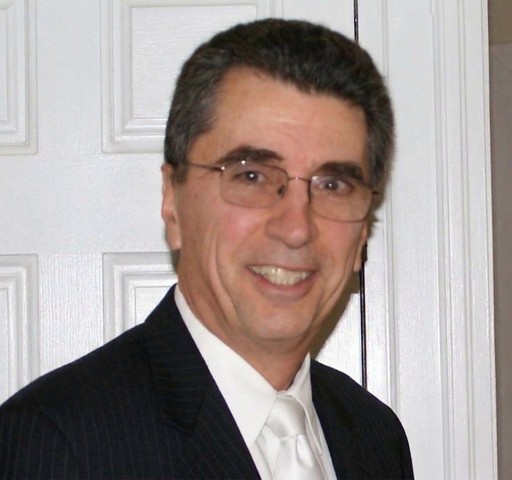
Bill Frazer
Peace Corps, Missionary
Biography
I had 2 “tours of duty” in Russia. My first 2+ years was with the US Peace Corps as a volunteer from 11/92-2/95. Our assignment was to assist Russian businesspeople to transition from communism to capitalism. My background was selling computers for IBM for 12 years and I had an MBA. I spent most of my time living in Nizhny Novgorod and working at a business center that we set up to provide business advisory services to Russian businesspeople. We helped connect those businesspeople with grants from the USAID and the European Bank for Reconstruction and Development (EBRD). We also were able to help with many exchange programs to the United States. I personally assisted one Russian startup company to receive a $25,000 loan from the EBRD. I was able to get a grant from USAID to purchase 30 computers for an adult learning center. I also was able to organize the first Alcoholic Anonymous support group in Nizhny Novgorod. I taught a course on marketing at the local university. I also helped establish 2 Christian churches in Russia and assisted in physically constructing another church’s building.
My 2nd tour was from 4/02-3/03 working mostly for the Eurasia Foundation as a fundraiser for them in Russia. The Eurasia Foundation was a non-profit organization working to assist in the development of a civil society in Russia. While I was there, I also helped to pastor an English-speaking church in Moscow. The Eurasia Foundation obtained most of its funding from USAID and other private foundations based in the USA. They wanted to try a new approach, to seek donations from Russian Oligarchs, since they were serving the Russian people. For example, they worked to establish Parent Teacher Organizations (PTO’s), which never existed before in Russian school systems,. We were extremely successful in raising money in Russia, mostly from 2 major oil companies – Yukos and Sidanko. Eurasia’s goal was to raise $600,000 in a year and we raised $1.8 million.
Summary of Main Topics Covered
In this vivid and deeply personal interview, Bill Frazer—an IBM marketing executive turned Peace Corps volunteer and missionary—recounts his unlikely journey into post-Soviet Russia, arriving in 1992 as part of a rushed U.S. effort to send American business experts into the collapsing Soviet system. Working in cities like Nizhny Novgorod under reformist governor Boris Nemtsov, Frazer describes the chaotic reality behind Western aid programs, including Peace Corps, USAID, and later the Eurasia Foundation, where he helped build business centers, train entrepreneurs, and even raise over $1.8 million from figures like Mikhail Khodorkovsky (Yukos). At the same time, he reveals a parallel, largely untold story: the surge of Western missionary activity in Russia, the creation of new Protestant churches, and the intense spiritual openness of the early 1990s—followed by disillusionment, rising state pressure, and conflict with the Russian Orthodox Church. Filled with striking firsthand stories—from smuggling equipment out of a MIG facility to being violently attacked in Moscow—this interview offers a rare, ground-level view of how business, faith, and geopolitics collided in Russia’s transition. It’s an extraordinary account of a moment when Americans believed they could help reshape Russia—and why that window ultimately closed.
Bill Frazer: I think there’s a wealth of information that we can probably gather. I first went over there in ’91, but I didn’t move there until late ’92.
Daniel Satinsky: Why did you go the first time?
Bill Frazer: I went as part of a mission trip. You’ll find that probably my story is a little different than most of the other Peace Corps volunteers, in fact all of them, as far as I know. Several friends of mine had gone over there with Campus Crusade right after the Iron Curtain came down, like in 1990, and they showed me some pictures, and I was just amazed. Here’s the evil empire, you know. So, I asked if I could go with them next time, and they went in ’91, in the spring of ’91, and I went with them.
Daniel Satinsky: And where were you physically located from there? Where did you go from and to?
Bill Frazer: Well, first we landed in Moscow, and we spent a couple days in Moscow. We were there over Easter, and there was a big concert that this choir that the Campus Crusade people had brought over representing students from colleges all over America had formed this big choir. And inside the Kremlin there’s a huge theater. I forgot the name of it, but it seats—
Daniel Satinsky: It’s the People’s Congress Palace or something like that. I was in that, yeah.
Bill Frazer: It seats several thousand people. I mean, huge. The place was pretty much full for a free concert. Back in those days Americans, you know, we were rock stars. And they sang a whole bunch of songs, and the Russians appreciate culture, so they were into that. It was a lot of Christian music, and some of it they even mouthed the Russian words and stuff. And we handed out literature. That was kind of what we were doing there. And the one thing that amazed me most afterwards is there wasn’t a speck of anything on the ground thrown out that we handed out. Everything we handed out they took.
Daniel Satinsky: And it was in Russian? You were handing it out in Russian?
Bill Frazer: Yeah, yeah. This was like tracts and information about Jesus. A lot of information like that.
Daniel Satinsky: And you didn’t speak any Russian at that time?
Bill Frazer: No, not a word. Maybe I learned zdravstvuyte [hello] and dosvidanya [goodbye], that might have been it. And like I said, the thing that stuck out to me was that everything, if you did that in America, handed out free literature, you’d need to clean up afterwards. I mean, all the stuff would be on the ground. But they took everything. They were like a sponge. And that stuck with me. Then I went to Moldova for about four or five days and did some witnessing there. And while we were there, we were handing out Bibles and we were like assaulted, in a good way. People were just trying to get their hands on those Bibles.
Daniel Satinsky: And again, in Russian, the Bibles were in Russian?
Bill Frazer: Now, when we were in Moldova, you know, there’s a lot of controversy there in that country between Romanian and Russian. It’s a bilingual kind of situation. So, we were handing out both, Russian and Romanian.
Daniel Satinsky: Oh, okay.
Bill Frazer: And I was like literally taken off my feet. The crowd had pressed in so much I was no longer in touch with the earth.
Daniel Satinsky: Wow.
Bill Frazer: And those things struck me. Also, the enormous hospitality that we were shown was just over the top, real true love.
Daniel Satinsky: Were local groups hosting you there?
Bill Frazer: Yeah. We hooked up with a local Baptist church there and they hosted us, and put us up, and provided a translator. A lot of incredible stuff happened in those couple of days. And then I came back to my regular world at IBM. I was an IBM salesman, sold computers for IBM, and I had…I was a senior marketing rep, which meant I got a windows seat. [Whistles, finger circling gesture.]
Daniel Satinsky: Yeah.
Bill Frazer: I remember coming back to my office and sitting there with a stack of stuff waiting for me because I’d been gone for two weeks, and looking at everybody running around, and I thought, you know, I think God has more important things for me to do than sell computers for IBM, and that was like really clear. And I started thinking about how do I get back to Russia, because there’s a real need there. There’s a spiritual desperation. They have been denied any contact with any evangelism, any knowledge of God, the Bible, for 70 years. Many people we ran into said oh yeah, my grandmother believed in that kind of stuff, but no intelligent person does that today.
And a lot of circumstances fell into place that really gave me an indication that God was at work in me going back because IBM made an offer to buy out a bunch of people, and I qualified for that, so I was like okay, you can buy me out. And I got an opportunity to help a local seminary here that was doing some work on their computers, and they were a little befuddled, and they said if I could help them with their computers, they’d give me free tuition for a year. So, I went to seminary for a year.
And meanwhile I was just trying to get back to Russia in some way, and I saw this article in the Wall Street Journal, the Peace Corps was looking for businesspeople to go to Russia. And I was like that’s me; I’m a business guy. I have an MBA, an engineering degree. So, I applied, and I got accepted, whatever. It wasn’t an easy road. My father died around that time, so things were really tossed into the air, and it was sort of a last-minute decision for me to go. But I went.
Daniel Satinsky: What year was this again?
Bill Frazer: That would have been…it was a week before Thanksgiving in 1992. So, just about a year and a half after I had been there in ’91. I was there in the spring of ’91, now I was back in the fall of ’92.
Daniel Satinsky: Right, so you get an official acceptance into the Peace Corps?
Bill Frazer: Oh yeah. Yeah, yeah. And the Peace Corps, I don’t know if you know. Has anybody talked to you about the training and everything else they put us through?
Daniel Satinsky: No. You know, you’re the first Peace Corps person. I know the Peace Corps is really important in those early days, but I don’t know much about it.
Bill Frazer: Well, you know, my comment about the Peace Corps is this. It’s the most screwed up organization I’ve ever had anything to do with.
Daniel Satinsky: Really?
Bill Frazer: However, after saying that, it was the best program on the ground in Russia. Compared to everything else that the federal government was doing, we were by far the most effective in actually getting something done. And that’s because of the initiative of the Peace Corps volunteers, not the organization. But our group was older than the average. Our average age was 40 that went over, [not] 22-year-olds and 23-year-olds right out of college. And they put us up down in Saratov. And that was a smart move. They wanted to get us away from the Moscow madness and really have us focus on Russian.
And they put us up in a dorm, and they had a whole bunch of Russian teachers come to the dorm six days a week. We’d have like six hours a day, six days a week of Russian, and in small groups. They broke us up into groups of like six or seven, so you couldn’t escape. You’re in a small room with an instructor. They were pounding away on us.
And the Peace Corps has a, they do have a very good language training program. I’ll say that for them. What they do is they have 12 dialogues that are typical dialogues that an adult would probably encounter. Like one dialogue was asking for directions to go to a bus stop. Another dialogue was tell me about your family. Another dialogue might be what did you do for a living, just the basics. So, they spent a good part of the first two months pounding in those 12 dialogues.
And then—by the way, I took one course in Russian back here in the States at a local community college and I didn’t do very well at it. Languages were never my strong suit. But at least I knew the alphabet. And then the Peace Corps goes back through those same 12 dialogues that last month and they create little paths off of it, little tangents that you might develop a little deeper off of each of those 12 dialogues, and then they set you free.
Daniel Satinsky: How long was the total program, the language training?
Bill Frazer: Three months.
Daniel Satinsky: Three months. Wow, okay.
Bill Frazer: In country. And there was no escaping it. When I took that Russian language course here at night in the local community college I’d go there for two hours and then I’d get back in my car, turn on the radio, and I’d listen to English, and it was back and forth. But when we were in Russia there was no escaping. If you went out of the dorm, went anywhere, went down the street, you had to know Russian in order to communicate, so it was a total immersion. And we then…they told us, they said our language training program, usually after three months in Spanish, for example, they said after three months of our intensive training you’re almost fluent in Spanish. They said but after three months in Russian you’re about able to ask where’s the bus stop, because it’s a much more complex language, as I’m sure you’re aware.
Daniel Satinsky: Yep.
Bill Frazer: Then they had our commencement ceremony, and I guess he was the deputy ambassador, the assistant ambassador, whatever that was, he came down to our graduation ceremony and he said something that was very poignant. At the time I didn’t realize it, but I certainly do now. He said you came here with hopes of changing Russia; I don’t know how much you’re going to change Russia, but I know that Russia’s going to change you.
Daniel Satinsky: Huh. Interesting.
Bill Frazer: And you can quote that, because that was so on the money. And then the Peace Corps sent us all to different cities up and down the Volga River.
Daniel Satinsky: You were just assigned different places, yeah. And you had no idea where you were going anyway, so it didn’t matter so much, right?
Bill Frazer: No. I just wanted to be on the inner—I didn’t want to be in Moscow. Nobody was sent to Moscow. They sent us to the other cities, kind of like Cincinnati, Cleveland. The biggest city—we were in one city, that’s where I ended up—in Nizhny Novgorod.
Daniel Satinsky: Nizhny is a big city, though.
Bill Frazer: Nizhny is probably like the third or fourth largest city in Russia, and it’s a major commerce—used to be a major commerce city. And at that time, it was leading the way towards democracy and capitalism with Boris Nemtsov as the governor. A real great guy. I was so disheartened when he was assassinated a year or so ago. In fact, I just saw they had a—I think it was about a year ago—they had a memorial service for him, I saw, in Nizhny, so somebody sent me some pictures. But anyway, that’s where I ended up. And then we were more or less on our own to try and make something happen. Now there was a local Russian guy who was assigned to us by the local city administration to try and help us do whatever we were doing. That was his sort of administrative assignment.
Daniel Satinsky: He’s from the city?
Bill Frazer: Yeah, he’s a city employee.
Daniel Satinsky: How many of the Peace Corps people were there?
Bill Frazer: Well, Nizhny got a bunch because that was a large city. Now the region, there’s the Nizhny Novgorod region, and there’s a Nizhny the city, and in the region I think we had eight. I think there were eight of us, maybe. Steve Lynch was assigned to Vyksa. We had a person in Kstovo. We had another one in Arzamas. We had another one—I forgot where he was—four. We had one in Bor, that’s five. And then there was Kendrick, [Adrian]. There were about 10 of us in the whole region.
Daniel Satinsky: Okay, yeah.
Bill Frazer: And I got assigned to this placed called Balakhna. [Laughs.] I didn’t stay there long. It didn’t last. It was right near a MIG factory—not a MIG factory, but a MIG testing center where there were Russian MIGs. And everyone thought I was a CIA plant. That was the Russian mantra, that we’re all CIA agents. So, it’s classic Russian. I’m sure what happened is there was an announcement made by the… The history of how the Peace Corps got there might be interesting to you as well.
Daniel Satinsky: Yeah, it is.
Bill Frazer: The year before Bush and Baker—actually, it was Secretary of State Baker was in Russia in 1991. Now the Iron Curtain had collapsed, perestroika had begun and all that, and Baker came to Russia in December of ’91. And somehow, he promised Russian officials that he would have 100 American businessmen there to assist the Russian transition to capitalism within a year. And he came back.
And I think—this is hearsay, a little bit, but I think it sounds about right—I think he went to the Commerce Department first and said okay, we’ve got to get 100 people over to Russia, businessmen, how are we going to do this, and the Commerce Department said we don’t do that, we haven’t got a clue how that works. Somehow it ended up in the Peace Corps. Now the Peace Corps normally spends like two and a half years prepping a site before they bring in volunteers, meeting with local officials, lining up housing, activities, all that stuff, and then they’ll bring in some volunteers. Well, they go to the Peace Corps and say you’ve got to do this in a year—in fact, you’ve got to have people there before December of 1992. So, everything got put on rush. And you know bureaucracies don’t move very fast.
So, when we got there, it was a mess. A lot of people were struggling for housing. The Russians had learned, you know, Russian politics are such that if you’re an official, you’re the mayor, whatever, and the governor comes down and says well, look, we’re going to bring in 10 Peace Corps volunteers in Nizhny Novgorod, and they’re businessmen, 10 businessmen are going to come to Nizhny Novgorod to help us with our business, and we’re looking for 10 sites that will accept these people and work with their businesses, blah-blah-blah, who wants to do this? Of course, Russians have learned it’s all fake, nobody’s really showing up, that this is a lie. There’s not going to be 10 businessmen here. So, yeah, I’ll raise my hand. Yeah, yeah, I’ll play the game. I’m gung-ho, I’m a team player. And that’s what a lot of these mayors did. They said yeah, yeah, send them to me, we can use them. And then lo and behold—
Daniel Satinsky: You showed up.
Bill Frazer: We showed up. It’s like there really is a guy here, he’s a businessman, and we said we’re going to take him, what are we going to do? And that’s, I mean, when the shit hit the fan. That’s what happened. And that’s what happened to me when I got to this town called Balakhna. I couldn’t speak—even after the three months of intensive language training I really couldn’t do much.
And they had nobody in the administration that could translate. There was one translator in the town, and she worked for the—there was a big paper mill there. That’s why they assigned me, mostly, to try and help that paper mill market their stuff. And they put me in the administration, and she came to, like every other night she would come, and I’d have a list of things to ask to try and get… And I kind of, you know, I kind of figured out they didn’t know what to do with me, and they weren’t sure they even wanted me.
And they put me out, where they housed me—because they were supposed to provide housing. That was part of the deal. They would provide housing, and the Peace Corps would provide us with a stipend to pay for our food and other needs, a small stipend. I think it was like $200 a month. Which was enough. It did what it needed to do. I was never wanting. I certainly wasn’t living high on the hog.
So, after a month or so I figured out this isn’t working out too well. And I was going into the city. I was going into the city to visit my other volunteers and see how things were going on there, and they had a much better situation, so the housing was provided, and they had a person who was working with them from the administration. So, I talked to them and they said well, if you want to come into the city we could use you, if you want to come to the city. So, I went back to the mayor in Balakhna, and these guys are very direct. Russians, you know, you don’t have to beat around the bush. And I’m from New York, so we got along well.
So, I just said hey—you know, I got the translator there one night and I said I want to meet with the mayor, and I said look, if you want me here I’ll stay here and I’ll work with you, but I need a translator, I need an office, and these are basic needs that I need. And if you—and by the way, the housing, they put me up at a profilaktoriy[^1]. I don’t know if you know what a profilaktoriy is.
Daniel Satinsky: No. It sounds like a dentist office.
Bill Frazer: Yeah. No, prophylactic, right?
Daniel Satinsky: Right.
Bill Frazer: Well, you know, the Russian businesses, everything was in the business. You not only worked for them, but you bought food at their company store, you lived in company housing, and the company provided a vacation villa, home, whatever that was like a hotel out in the woods somewhere. And you’d spend like a week out there, or two weeks with your kids and your family. And they had a cafeteria for food, and they had basic stuff like maybe rowboats and things, you know, to have a vacation. Well, that’s where they put me. And that was like two miles outside of town, two, three miles outside of town in the middle of February, okay?
Daniel Satinsky: Yeah.
Bill Frazer: They figured that was a safe place to stick the CIA agent because there’s no way I could get to anything from out there. It’s a good thing I know how to cross country ski because that’s what I did to keep myself busy out there, I just grabbed the—they had cross country skis there. It’d just go through the woods. It was out in the middle of nowhere, literally. And they’d come get me and pick me up and bring me back. So, I said to the mayor, look, if you want me to stay here, that’s great, here’s what I need, and if you don’t want me to stay here, that’s okay, too, I’ll go back to the city. I’ve just got to know. Let’s just decide this right now. And he’s all right. The next day he decided. He said I don’t want you.
And I said that’s great, I understand, you know, that’s great. So, that gave me a pass to go back to the main city, which I did. Unfortunately, now the city there said we don’t have housing for you, so we’re going to have to figure something out. So, I was living from one apartment to another on friends and couches, and that went on for, I’m going to say, six months.
Daniel Satinsky: Wow, six months.
Bill Frazer: Six months.
Daniel Satinsky: And the Peace Corps administration couldn’t do anything?
Bill Frazer: No. The Peace Corps said we don’t have the money for that; the town is supposed to provide that. And the town said hey, he wasn’t assigned here. By the way, I wasn’t the only one. There were lots of Peace Corps volunteers in similar situations that I was like at Balakhna. And housing was a big problem. And the Peace Corps said that’s not in our budget, we’re not doing that. You’re supposed to—Russians, you committed to that, you’re supposed to provide housing for these people.
Daniel Satinsky: Right. And just out of curiosity, what did the Peace Corps think you were going to do in Balakhna?
Bill Frazer: I guess work with the paper mill and whatever else they had in mind for me to do.
Daniel Satinsky: I mean, working with—I’ve had a little experience with those giant enterprises. To work with them is a very vague assignment.
Bill Frazer: Well, you have to understand a little bit about the Peace Corps is that they don’t really give you an agenda, usually. They say, you know—and especially we were the first volunteers there. Once you get something started, and you create a relationship, and you’ve got an ongoing program of some sort, if another Peace Corps volunteer comes in to replace you, it’s fine. But we were like breaking ground.
Daniel Satinsky: Were you supposed to be giving practical advice, like consulting? Supposed to be giving classes? What were you supposed to be?
Bill Frazer: Yes, consulting, seminars, whatever we could do to foster partnerships between like the European Bank for Reconstruction and Development, USAID, any other help that was out there to try and connect it. You know, exchange programs. We did a lot of that, sending people back to the States, training sessions. There was some English teaching going on. I taught at a university on marketing because that was my sort of specialty. But the Peace Corps does that. Even in the volunteers they send to Africa or wherever else they just said here’s your place, make something happen. Just don’t create a crisis or an international affair, you know, scandal. And it’s really the initiative of each volunteer that really makes something happen.
Daniel Satinsky: Right.
Bill Frazer: That was really the case in Russia, for sure, because we had nothing to start with.
Daniel Satinsky: Well, when you—I mean, so you come back to the city. Did you have an idea in mind what you wanted to do?
Bill Frazer: No, I just figured we’d just…you know, we were being connected with people. The city was showcasing us. We’d go to these events and things like that. And then we were just meeting, you know, that Russian intermediary guy, companies were contacting him and saying how do we get these Peace Corps volunteers to help us, and then some of us would work with those various companies. And we were advertising in the local paper if you want to come to a seminar on marketing or whatever else.
The USAID gave the Peace Corps some money because normally they just set the Peace Corps volunteers, they just let them go and here’s a couple hundred dollars, and that’ll pay for your expenses, and go make something happen. Well, we needed more money than that. We needed things like computers, fax machines, copiers. We needed like an office. And this was totally contrary to the Peace Corps model. They didn’t have any funding for that. So, USAID gave the Peace Corps a million dollars for Russian projects so that we could rent an office space, maybe get a secretary/translator to work there, get this equipment, the whole shooting match, and in the cities that we were located. And I’ve got a funny story to tell you. I don’t know how much time you’ve got here, but…
Daniel Satinsky: I have as much time as you do, so…
Bill Frazer: Anyway, Peace Corps being the Peace Corps, and bureaucrats, they took that million dollars and they figured okay, we can use this million dollars in all these other places. Maybe we’ll give some money to the Russian people and we’re going to—the Peace Corps right away, by the way, because we were now going in there as businessmen, we’re now staying in cities, we want offices, we want secretaries, we want, you know, they were like, what? There’s a mud hut mentality of the Peace Corps where they teach people how to dig wells, and hygiene, and grow corn. This was not—hmmm—like it was fitting a square peg in a round hole. But they were the ones that got tasked with this because they were the only ones who could mobilize a volunteer force and bring 100 people to Russia, getting back to James Baker’s commitment.
Daniel Satinsky: Right.
Bill Frazer: So, we get there, and we don’t have any of the tools we need to do what we need to do. And we’re struggling to stay alive. One night, literally one night—and this was during the summer—I was renting a room from a Russian woman who, a friend of mine, the gal who was a translator had connected me with, because I was still looking for housing, remember. And I was renting a room from her, and she got a boyfriend, and then she evicted me.
Daniel Satinsky: You were second-best, yes.
Bill Frazer: Yeah, I was just there renting a room. She didn’t want me around. So, literally one night, 10:00 at night I had, you know, most of my things, my belongings, were spread out in various people’s apartments because I only had my essentials with me, but it was like two suitcases that I had with me. And I’m sitting on a bus stop bench at 10:00 at night practically in tears because that same translator had now lined me up with another place that I had to take a bus to get to at 10:00 at night, and I was just…I was ready to throw in the towel.
That was the bottom of the bottom of my experience there. I can’t find housing; we have no tools to do what we want to do. I was done. But things started to fall in place a little bit after that. We learned about the Peace Corps plan to divert our money, the million dollars that we were given to buy fax machines, copiers, and housing and all this stuff. And you know what a congressional delegation is?
Daniel Satinsky: Yeah.
Bill Frazer: They call them CODELs. Well, a congressional delegation came over from America to see what was going on in Russia, and they visited some of the cities, and they came to Nizhny Novgorod. And I knew they were coming. We all knew they were coming. And so, I wrote a letter. I got a document signed by all the Peace Corps volunteers to say hey, you know, your USAID funding ought to be coming to us and not diverting it elsewhere, what’s going on? And the Peace Corps got wind of it. They tried to isolate me so that I wouldn’t meet with the congressional delegation, but they were unsuccessful.
And in good lobbyist fashion, a guy named Livingston used to be the Speaker of the House. He was only Speaker of the House for a short while. Unfortunately, there was a scandal. But he was from Louisiana. And I cornered him in a luncheon, and I showed him the signed document from all the Peace Corps volunteers and said we’ve got a real problem, USAID is trying to take the funds—I mean, the Peace Corps is going to take the funds that we need to survive and send them over to who knows where. He goes; I’ll take care of this. And he did. And boy, was the Peace Corps pissed at me.
Daniel Satinsky: I bet.
Bill Frazer: But, you know, and I wasn’t the only one. Several other Peace Corps volunteers had connections with senators and congressmen, because we weren’t 22 years old, we’re 40, 50 years old. We knew how the world worked a little bit. So, I wasn’t the only one that made a fuss. So, we got the money, but then we had a problem spending it because there was no contracting officer that the Peace Corps would assign to administer giving out the money and making an award to somebody to get stuff.
Daniel Satinsky: Right.
Bill Frazer: So, my background in computers was also working with the federal government, so I knew a fair amount about federal contracting. So, I said listen, I’ll handle the procurement, you’ve just got to back me up with the details. And one of the other—Linda Vene her name was, she was a Peace Corps person that was assigned to help us with all the admin stuff. She was in Russia with us, and she was very helpful. She was an experienced veteran with the Peace Corps, and she said Russia was one of the most difficult places she’s ever been assigned. She’d been assigned all over the world before. So, she backed me up with the technicalities, but I ran a procurement, and we awarded it to this one Russian company that was going to provide us with computers, and fax machines, and copiers, and training. That was part of it, too. I wanted to make sure people got training on how to use everything.
So, the company contacted—we awarded them the contract—and the company contacted me, and they said they have the stuff and they want the payment. And I told them well, I’ll give them two-thirds payment upfront and one-third after they complete all the training. And they said okay, give me the money. And I said wait, you’ve got to show me the machines. I’m not paying anything until I see the equipment.
They showed me the equipment; I gave them the check. And when they came around to deliver, another interesting thing. They had a semi truck loaded with all this equipment, and inside the semi-truck was a 55-gallon drum of diesel fuel because they didn’t dare stop between cities. If you stopped to refuel you could be robbed. That’s where a lot of the robberies took place.
Daniel Satinsky: Ah, I see, at the rest stop.
Bill Frazer: And they literally had a shotgun. There was a driver and there was a guy with an AK-47 in the passenger seat. And that’s how they went around to all our cities with that truck.
Daniel Satinsky: Wow.
Bill Frazer: Dropping off all the equipment and providing a link to some maintenance and some training. And that’s how we got fax machines, copy machines, and computers. And we just started doing our thing. We opened up like a business center, and we were renting some space, and we had a translator and a secretary, and we had that administrative person who was helping us, who had been assigned to us, who was still with us, and he was extremely helpful. Really. I mean, if it wasn’t for him I don’t think any of us would have made it. He was running interference for us in our personal lives, in our business lives. He was doing everything.
Daniel Satinsky: And did you have regular client relations? Did you have regular companies you were working with?
Bill Frazer: Yes. Some companies would come in and they’d want to work with us. And we started thinking we need to make this self-supporting because our funds are going to run out at some point, and we started actually charging for seminars and for our assistance. And by the time we left we were pretty much self-supporting.
Daniel Satinsky: And that was what year?
Bill Frazer: That was ’95. Beginning of ’95. It was January of ’95. Now, new Peace Corps volunteers came the following year, and they backfilled us, and we worked with them for another year. So, we had more people on the team, and we’d already, we were the ice breakers, and now we had some people to follow up on what we were doing.
Daniel Satinsky: Right.
Bill Frazer: And some of us had individual projects that we were working on. One of the projects that I took on was to help this local vocational school to get some computers. I think I got them like 30 PCs, and they set up—
Daniel Satinsky: How did you get them 30 PCs?
Bill Frazer: I believe it might have been…I forgot which… I went—it might have been USAID; it might have been EBRD. It was one of those NGOs that were trying to help the Russians to make this conversion, and I got a grant, and with the grant bought these PCs and gave them to the school. And they set up training rooms and it was state-of-the-art at the time.
Daniel Satinsky: So, what would you say was the biggest obstacle or biggest teaching point for you in your interaction with Russian businesspeople at that point?
Bill Frazer: I’d say the biggest point was they really weren’t interested in my marketing expertise or organizational expertise or putting together a business plan. All they wanted was money. They were like give me the money, I know what to do with it. You give me the money; I’ll make it work. Can you give me some money? That was their… And we would say well, you need to put together a business plan, some idea of where you’re going here. And they didn’t want anything to do with it.
We used to have a saying in Russia that there aren’t really any Russian businessmen, there’s Russian business-like men. They put on a suit, they flaunt their…they drive around, they have a driver drive them around in a car, so they look like businessmen, but they really haven’t got a clue. And that would be… And, you know, any time you can rip off anybody else, that’s a feather in your cap. They were very—
Daniel Satinsky: These were sort of new businessmen, but what about like the red director types, the old state enterprises, did they interact with you at all?
Bill Frazer: Yeah. Yeah, they did. I couldn’t find housing. What I ended up doing is that the administrator, the Russian guy who was assigned to help us out and do a lot of things, he knew I was struggling for housing and everything else, so he connected me with one of those enterprises, and we made an arrangement that I’d work there like two days a week and they’d pay me a salary. This was totally contrary to the Peace Corps. You’re not supposed to be working and getting a salary. But with that salary it was enough for me to rent an apartment.
Daniel Satinsky: Ah, okay.
Bill Frazer: It was $100 a month. And I worked like two days a week trying to help them in their marketing to the West.
Daniel Satinsky: Okay. What were they selling?
Bill Frazer: They were an—and they still are, I think—it was the Nizhny Novgorod Yarmarka, which is a trade show.
Daniel Satinsky: Yeah. I attended it. I took the boat down from Yaroslavl with the Yaroslavl business chamber and attended that Yarmarka.
Bill Frazer: They have business shows there.
Daniel Satinsky: Yeah, big, big, big shows.
Bill Frazer: Yeah. And I would assist them in marketing to Western whatever. They had a translator. The translator would give me what they translated and then I would rewrite it in Westerneze and just give them my two cents on whatever they were doing. And that was really great because it gave me something to do and connected me with the hierarchy and provided me an apartment. I wasn’t supposed to be doing that, but at this point it’s every man for himself, try and survive.
Daniel Satinsky: Well, that was the spirit of the times as well. You had to improvise on everything, right?
Bill Frazer: Right. And there were some other…some of the other Peace Corps volunteers hooked up with some of the other larger organizations doing some things. We didn’t have much input into the city. They didn’t really ask us to do a whole lot. Some of the other cities did. Some of the smaller cities, the Peace Corps volunteers had more input into the municipal activities.
Daniel Satinsky: What would you say was the most successful thing you did, the thing you feel proudest about having done in that time?
Bill Frazer: Well, remember my primary reason for being there was to go back and do missions work.
Daniel Satinsky: Right. I was going to ask you that.
Bill Frazer: And the business part was my front. And in the Peace Corps they have a rule against proselytizing. You’re not supposed to go over there and start converting people to some religion. But I looked at it this way: Monday to Friday 9:00 to 5:00 I worked in the business center for the Peace Corps to try and do the capitalism consulting and whatever else we were supposed to do with the Peace Corps. But evenings and weekends I felt hey, that’s my time, I’m going to do what I want to do. So, I got involved with—I managed to connect with a couple of missionary teams that were over there trying to start some churches, so I was working to help start two churches over there.
Daniel Satinsky: In Nizhny?
Bill Frazer: In Nizhny.
Daniel Satinsky: Baptist churches?
Bill Frazer: No. One was Calvary Chapel. These are American missionaries. One was Calvary Chapel, and the other one was a complete startup that was being done by some missionaries from Louisiana, so it was just an independent church. And that was probably the most successful thing I did when I was over there. I was leading a Bible study; I was doing some preaching. I basically was the assistant pastor at one of the churches. And the church model that we were using over there is something called the cell group model, which meets in homes.
Daniel Satinsky: Oh, okay.
Bill Frazer: We would have—small groups in certain regions would meet, like maybe six or eight families would meet on a Wednesday night in somebody’s apartment. And we had like 24 of those groups around the city. And I would visit about 12 of them, and I’d try and visit a couple a week to just visit and see how they’re doing, and the pastor would visit the other 12, so we would rotate around and see how things were going, and answer questions, and do whatever we could. And these small groups were really like mini churches in and of themselves. And then we’d meet as a large group. On Sunday we’d rent a hall, and we’d have a worship team and music, and we had a sermon of some sort, and fellowship afterwards, and that’s what we did.
Daniel Satinsky: In Russian?
Bill Frazer: Oh, yeah. All in Russian. With translators. And that’s kind of what we did, started those two churches. Those are still going. I go back every couple years to visit and I usually visit those churches, and I get a chance to do some preaching there and visit with homes and friends. I just stay at people’s homes. I don’t go with hotels or anything.
Daniel Satinsky: And the same churches have continued?
Bill Frazer: One of the churches is continuing as it was, it hasn’t changed. The other church, actually the larger of the two, went through a split. It’s unfortunate, but it’s interesting. I saw a lot of things happening in these new churches that the New Testament of the Bible, Paul, you know, Paul was the apostle going around—I don’t know how much you know about Christian history.
Daniel Satinsky: Not a whole lot, so…yeah.
Bill Frazer: Well, Paul, the Apostle Paul was the biggest evangelist and most of the New Testament are letters that Paul wrote to various churches that he helped to start. And most of the letters were addressing theological heresies that were developing in these churches that he was trying to correct.
Daniel Satinsky: Okay.
Bill Frazer: So, the Letter to the Galatians, or the Letter to the Thessalonians, or the Letter to the Philippians. There was something going on there that he was trying to fix, and we have the letters. And what’s fascinating to me is that some of the heresies that were developing in these new churches in Russia were very similar to the heresies that were developing in these churches where people had gotten off track. And that’s what happened in this one church, and some of the leadership just, you know. [Separation hand gesture.] Some of them went the wrong way and some of them went the right way. The one that went the right way is still in existence today. The other one finally dissolved. But yeah, so when I go back, I visit with these churches.
Daniel Satinsky: You visit with people who have become your co-religionists and—
Bill Frazer: And good friends. I mean, real relationships, real friendships. That was my goal with the language, was to be able to have a real relationship. You can’t have a relationship with anybody if there’s a translator there.
Daniel Satinsky: No, no.
So, you know, when I was, in those years I was flying back and forth a lot, six, seven times a year, and the planes, most of the people flying, there were three main groups. One was oil and gas guys; one, which were noticeable and much smaller, were people adopting children; and missionaries. And so, you would hear these different conversations all going on. I never found anything written specifically about the missionary work that was done, but I know it was extensive throughout the country. Do you know, are there things written about that?
Bill Frazer: I don’t know if much has been written about it, but there’s a lot that was going on. A lot. The call went out, really, amongst the evangelical community to send missionaries to Russia. And you know, like I went there on that short-term mission trip, and like I said, that’s what planted the seed. I got blown away. I knew God was saying, you know.
Daniel Satinsky: Yeah, go there.
Bill Frazer: And one of the things that came to me when I was praying about it, I felt what God was saying to me, this is a limited window of opportunity, and it’s go now or it ain’t gonna be there in the future. And I figured that meant that this opening, this perestroika, was going to be a temporary thing, and the communists were going to take over again, and everything’s going to get closed back down.
But that really wasn’t the case. But it was a different situation. It turned out to be true, but for a different reason, because from probably 1990 to 1997, somewhere in there, the Russian people were going through a major metamorphosis. Everything that they’d been taught they realized was a lie, so their worldview got turned upside down. And they were willing to investigate other worldviews. Adults normally set their worldview pretty much in their early 20s and that’s it, you know, this is what you’re going to be.
So, everything was, so they were—you know, when we first went there, if we set up on a street corner with a couple boxes of Bibles, a microphone and a translator, and I started speaking in English, and the translator started just talking, on any street corner, we’d get a crowd. We’d get a large crowd. And we’d start handing out those Bibles, they’d gobble them up.
Well, you know, and they—a lot of the Russians came to our churches, and they came to our Bible studies because they wanted to meet Americans. They wanted to know what… Of course, a lot of the Americans they’re meeting, they’re all missionaries. And they’re saying, well, Americans are prosperous, and all these Americans are Christians, so I guess you need to be a Christian to be prosperous. And there was an enormous number of people that were coming to the churches at that time.
But there’s a parable that Jesus tells, the parable of the sower of seeds. And he says, you know, I’m going to tell you a parable about the sower of seeds, and it’s a parable that likens to evangelism. And he says, you know, when the farmer throws out his seeds to plant his seeds, some of it falls on the path, and the birds come in the air and they snatch it up before it can be received. And the symbolism is that’s Satan and demonic forces that are snatching up the Word of God before it can take hold.
He says some of it falls on the shallow, rocky soil, and if it falls on the shallow, rocky soil it springs up real fast, but it has no roots, and when the sun comes, and basically the persecution comes, and tough times come, it wilts and falls away. And then some of it falls amongst the weeds and it gets choked out; it doesn’t really yield any fruit. And then some falls on good soil and yields fruit, okay?
Well, we saw this playing out in Russia because a lot of the seeds were falling on the shallow soil, and all these people were thinking prosperity, Christianity, putting the two together, and then they came on hard times and they say this isn’t working out, I’m out of here. So, that’s kind of what happened there.
Daniel Satinsky: What about your relation to the Russian Orthodox church?
Bill Frazer: Well, the Russian Orthodox church didn’t like us. We were a cult in their eyes. Now, unfortunately, there were many cults that had come in, in my mind, what I call a cult—you know, the Mormons, the Jehovah’s Witnesses, the Hare Krishnas, they were there, too. We weren’t, you know, Christian evangelists weren’t the only ones in town.
Daniel Satinsky: Yeah, I know. The Mormons, in particular, I saw large numbers of, yeah.
Bill Frazer: Yeah, so they were actively doing their thing. And the Russian Orthodox church was correct in saying they are misleading a lot of people. But they threw us into the bathtub with everybody else and said these evangelicals, too. Now, I could get into the history of what took place there and how it’s different today and all that, but eventually there was more… Well, some of the cults did get tossed out, unable to participate.
But a lot of the churches formed unions and were able to link themselves to existing—there were existing Christian churches in Russia. The Baptists and the Pentecostals were probably the two most that were still in…that survived the 70 years of Russian control, and so a number of the new church plants that were done by missionaries aligned themselves with those existing churches, and therefore we got some recognition to some of the laws and some of the things that the government was—because the Russian government and the Orthodox church, they are like one. They are joined together at the hip.
Daniel Satinsky: Right.
Bill Frazer: And so, when the Orthodox church said to Putin and company, hey, we don’t like all these evangelicals and all these Mormons and everything else, we’ve got to do something about it, they passed some laws—I could get into that—but that restricted gatherings and activities. There was persecution that came upon the church. They would put pressure on. Like we would rent a hall on Sunday to do our big gathering, and they put pressure on the landlords never to rent to us again.
Daniel Satinsky: I see.
Bill Frazer: So, they said we’ve got religious liberty, we’re not restricting religions, but we just don’t allow them to meet anywhere.
Daniel Satinsky: Right. But that was, I mean, later, that’s after 2000, when Putin is—
Bill Frazer: Yeah. Well, it started—the Orthodox church didn’t like us right from the get-go. We were competitors. We were stealing Russian souls. In their mind if you’re Russian, you’re Orthodox. If you’re anything else, then we were stealing Russian souls. But you know—now we’re getting into a little more theology. I don’t know how deep you want to get in this.
The Orthodox church is a Christian church, but what we believe in the evangelical church is that we have more of a direct relationship with God through Jesus, we don’t need a priest to intercede for us. Whereas the Orthodox church says you’ve got to pray, you go to the Orthodox church and tell the priest the prayer, he goes back to the prayer booth back there and he prays for you and comes back. And they also pray to icons, which we don’t believe in. So, it’s a branch of Christianity, but it’s not evangelical Christianity.
Daniel Satinsky: So, you have a completely different approach to your worship and relationship to God, yeah.
Bill Frazer: Right. And we want people to read their Bibles in the language that they understand. We want it in common language. We want it something that they’re doing on their own, you know, their own journey to God, whereas their Bible is still written, I think, in Latin or whatever.
Daniel Satinsky: It’s probably Old Slavonic, but yeah. And the icons actually were meant for religious education of people who couldn’t read, so much of that was a completely different basis then from what you were doing.
Bill Frazer: Yeah. So, most of the people we met, a lot of atheists. But atheism in Russia is different than atheism here. Here you run into someone who’s an atheist, and it’s kind of like a chip on their shoulder, like I’m an atheist. They made an intentional decision to be a rebel—I’m going to be an atheist, I’m not going to believe in God, and you’re going to have to prove me otherwise. In Russia an atheist was kind of a matter-of-fact atheist. It’s just like eh, you know, I’m an atheist, isn’t everybody? You know, that kind of attitude.
And I was questioned, you know, Bill, you’re an educated man, I mean, you have a master’s in business, and you still believe in God? They were like I only thought that religion was the opiate of the people, like Lenin said, like only people who need a crutch. You believe in God? How is that possible? So, that was most of their mentality. Some of them might loosely define themselves as Orthodox because Grandma, their grandma believes that stuff.
Daniel Satinsky: But also, Russians are very much, many of them, philosophically oriented, would like to go down that discussion just in general principles. They’re looking at things, in my experience, in a deeper way than most conversations with Americans. I don’t know if you’ve found that.
Bill Frazer: Yeah.
Daniel Satinsky: There was a real wanting engagement with those kinds of themes and thoughts.
Bill Frazer: They were definitely open to that from like 1990 to 1997. But after that they had reorganized and reset their worldview, and if Christianity wasn’t part of it, it wasn’t going to become part of it. That’s when I said, like, you know, I thought the door was going to close politically, but the door closed philosophically. People were no longer all that interested in changing their worldview or realigning their worldview. If I went back in even 1998, let’s say, set up on that same street corner with my books of Bibles and my microphone and my translator, most people would just walk by like okay. I might as well do it downtown D.C. here, I’d get the same reception.
Daniel Satinsky: What is your…why? Why and how did that change take place?
Bill Frazer: I think it’s because people, like I said, they had their whole worldview turned upside down. It would be like suddenly we found out in America that what, the election was a fraud. No.
Daniel Satinsky: [Laughs.]
Bill Frazer: Oh, my. You know, so I think they were willing—they were open. They were open to a different worldview, and they knew that America was prosperous, and they wanted to understand why and how could they connect to that. And by the late 1990s they had already heard the story, and maybe they weren’t prospering from it. They were no longer as enamored with Americans. I mean, I remember one time I was just walking down the street and a man approached me and said are you an American? And I was like yeah. And he goes, please come to my house for dinner, I want you to meet my family, I’d like to talk to you. I had to be very careful about that kind of stuff. But that was the case in the early ‘90s. It wasn’t the case in the later ’90s, certainly in the bigger cities.
Daniel Satinsky: So, what do you think replaced the old set of values? I mean, if you solidify around a new worldview, it’s either that what you were offering wasn’t as attractive as it once had been or they had something else to replace it already.
Bill Frazer: I think they were just disheartened with the fact that maybe it didn’t result in instant prosperity, or they just decided ah, you know, Americans are whatever, no different than anybody else. There were probably a number of reasons.
Daniel Satinsky: Do you think it’s sort of national pride or cultural pride?
Bill Frazer: No.
Daniel Satinsky: No?
Bill Frazer: I don’t think that’s it. I think they were… It was every man for himself in the Russian environment. And they didn’t have a moral compass. There is a bit of a moral compass even in America, even if you’re not a Christian. The Judeo-Christian model still has influence in this country, although it’s fading. That really wasn’t the case there. Their focus was on survival. And I don’t know, they just sort of lost interest. Like I said, they reset their worldview and ready to move on.
Daniel Satinsky: So, sometimes I’ve heard this described as Russians saying by that point stop telling us how to live, that they got tired of being told by foreigners and Americans that their culture was bad and they should do things this way and that way, and there was a pushback under that kind of rubric. Does that ring true to you?
Bill Frazer: I think there was some of that. We right from the start said as Christians we’re…as Christians we behave differently, not because we’re Americans, or Germans, or whatever, but as Christians this is our value system. And we tried to un-American it, but I’m sure they made the connection between the two. But certainly, in the business world that was certainly true, where we were telling them how to do this and how to do that, and they were like we got enough of this. I think that was certainly true in the business world.
Daniel Satinsky: How long were you there?
Bill Frazer: I was there from November of ’92 until February of ’95, just a little over two years—two years and three months. Then I went back again in 2002 to 2003. I went there with what was called the Eurasia Foundation on a USAID funded project. The Eurasia Foundation had quite an organization in Russia. We had about 20 staff people. And we were doing things to develop the civil society in Russia. I mean, basic things like trying to help freedom of the press. Probably one of our biggest projects was setting up PTA organizations in schools where they never had anything like that. And so, we were working throughout Russia trying to do projects like that. And we had USAID funding.
And I was brought in—it was a novel idea—they brought me in to try and raise funds from Russian oligarchs. And my Russian language was okay, but it really wasn’t at that level. But we still, I was able to still meet with people and try and encourage them to donate money to what we were doing. And the thinking was these guys are multibillionaires, we’re trying to raise funds from America to come over here and help them do things in Russia, what about we get Russian people to help do things in Russia. So, I started trying to raise some money for them. I came in in April of 2002, and they had a goal that year to raise $600,000, and so far, they had raised zero. So, I came in there and started to do what I could do.
And I know it wasn’t me, it had to be God, because I barely could speak the language, but suddenly, all of a sudden money just started flowing in. I’ve been in marketing my whole life, more or less, and there’s a difference between catching fish and having fish jumping in the boat. And these were fish jumping in the boat. We went to Mikhail Khodorkovsky, who was then the Yukos president, and asked him for some money, and they gave us a million dollars. Of course we gave them plenty of good press. We announced it, it was in the local media. These are basically robber barons trying to—they’re the Carnegies, the Mellons, the Rockefeller’s trying to—
Daniel Satinsky: Rehabilitate.
Bill Frazer: —look good, you know. Everyone thought they were boo, you know— [thumbs down gesture]—and they were thieves, which they were. So, he gave. And we got a lot of good press. And one of the other oil companies, I forgot which one.
Daniel Satinsky: Lukoil?
Bill Frazer: No, it wasn’t Lukoil. It was another one. It was about half the size of Khodorkovsky’s Yukos. It started with an S, Sudoykina or something, I don’t know [Sidanko]. Anyway, they came to us, and they said hey, we’d like to donate some money to your organization. Because they saw all the good press that Yukos had gotten. And I said well, okay. And we looked at their balance sheet and everything else, and they were about half the size of Yukos, so we said Yukos gave us a million, why don’t you give us $500,000? And they said how about $600,000?
Daniel Satinsky: [Laughs.] Oh, yeah.
Bill Frazer: That’s what I mean. It wasn’t me; it was God. And they said okay, we’ll take $600,000. And then we got a couple other grants from some other places that rolled in, so by the end of October, I’d only been there like six months, we were hoping to raise $600,000 and I raised $1.8 million.
Daniel Satinsky: Wow.
Bill Frazer: That ended up being my undoing, unfortunately, because they released me.
Daniel Satinsky: They released you? Why?
Bill Frazer: Yeah. You know, I was running a—I think the problem was—well, two things. One, they didn’t need me anymore because they had more money than they knew what to do with. And the other thing is that my Russian language wasn’t at the top echelons. I needed help in these meetings. But still we got results. But I think the real straw was there was a person back here in Washington who was responsible for all the fundraising they were doing, and I was making her look bad.
Daniel Satinsky: I see.
Bill Frazer: She was wanting me to do one thing, and I was telling her no-no-no, that’s not going to work in Russia, this is how it’s done, and we were… [Fists knocking gesture.] And she was, I think, badmouthing me back at the headquarters—you know, this guy is hard to work with, who knows what? But like I said, the results were the results. So, I was—
Daniel Satinsky: You worked there for what, a year?
Bill Frazer: Yeah, I ended up staying because even though I was released, it was around the end of October, there’s a deal if you work overseas for 330 days you don’t pay any federal income tax on the first $100,000. Well, if I went back to the States I would have owed a big tax bill, so I said what the heck, I’m going to stay here. So, then I started working really full-time, more or less, for a church there in Moscow. I was in Moscow on that assignment. I was one year in Moscow. And unfortunately, that’s also the year that I got mugged. I was badly beaten and robbed in Moscow.
Daniel Satinsky: Ooh, really?
Bill Frazer: And almost dead.
Daniel Satinsky: Oh, whoa. And what are the circumstances of that, if you care to…?
Bill Frazer: Well, I was working, it was when I was working at the Eurasian offices and stuff, and I had a pretty nice apartment. They gave me a stipend to buy a nice apartment, so I had a nice place, was paying like $1,200 a month for it. And I came home from work one night—and normally I’d come home like 5:30, quarter to 6:00, but this particular night I worked a little later, and I didn’t come home until like quarter to 7:00. And I just walked into the building, and I was just walking towards the elevator, and that’s the last thing I remember. The next thing I remember is that there was an ambulance driver getting ready to take me in an ambulance.
Daniel Satinsky: Wow.
Bill Frazer: And I declined. I didn’t want to… I had been to Russian hospitals. I didn’t want anything to do with that. And they helped me, the people in my building really helped me with—just living, just ordinary Russians that happened to be living there. Because I was badly beaten and bloody and everything else. And they helped me. And ended up calling the Eurasian Foundation the next day, and they sent a driver over and took me to the European hospital. There’s a European medical center there, and that’s where they took me to be treated. But I had multiple problems.
But God’s grace was good because everything that…all the problems I had were repairable. They had smashed me across the face and the eye, and the eye had ruptured and was all full of blood. And they said well, you know, your retina is not detached, you’ve got this problem and that problem. And the eye doctor said one step further you would probably need surgery, but it looks like you should be okay. And then my nasal cavity was collapsed, and he said, you know, again the ear, nose and throat guy said well, you know, it’s cracked, it’s fractured, but it’s not collapsed, one step further you would have needed surgery. And I was like okay. And I had a concussion, and broken ribs. And they were like well, you know, you should be okay, if it went one step further. It was all these experts that I was seeing.
The one thing that they missed, because they didn’t have the proper equipment, was that my jaw was fractured in two places, and I didn’t realize that. And i was trying to eat, and I couldn’t eat. It would just hurt, and I thought maybe the muscles are sore. When I came home to the States about six weeks later, I went to see an oral surgeon, and he took a picture, and he said well, your jaw isn’t broken, but it was fractured in two places, and you need to go easy for the next month or so to have it heal. But that was my… But just about all of us, about all the Peace Corps volunteers were mugged or robbed at one point during their two years there.
Daniel Satinsky: So, people targeted you as somebody who must have money as a foreigner?
Bill Frazer: You know, I don’t know if I was targeted that night or if I just happened to be in the wrong place at the wrong time, because it’s not my—if they were watching me, that was not my usual routine.
Daniel Satinsky: It wasn’t your usual time, yeah.
Bill Frazer: I came home an hour later than normal. And they attacked me in the building. They were in the building.
Daniel Satinsky: And just out of curiosity, so nobody in the building knew who these people were that attacked you?
Bill Frazer: Yeah. Well, nobody told me.
Daniel Satinsky: Yeah. I bet they did know. Not that they would have liked the people, but they probably knew who they were. But that’s another story. It doesn’t matter. It doesn’t matter now in particular. So, this was near the end of your time there. I mean, this was the end of your time there.
Bill Frazer: This was the beginning of my 2002 assignment. I came over there in 2002, April, and I was attacked the first week of June.
Daniel Satinsky: Okay. And so, you stayed and recovered, did your work, and then stayed until that year.
Bill Frazer: Then when October came and they released me I still stayed, and I just worked with the church that I was working with there. There’s a Baptist organization that’s called the International Baptist Fellowship, or I forgot the exact name. But they have little outposts all over the world, and it’s really designated for American missionaries. So, American missionaries can have money donated to them. They’re a U.S. organization, so it’s tax-deductible donations, and then they disburse the money to you wherever your sites are. And they had a church that they were planting in Moscow. And this church, a unique church in Russia, is that we are preaching in English.
Daniel Satinsky: Really? Wow.
Bill Frazer: So, all English speakers who happen to be in Moscow from any country that was English speaking, any Christians who wanted to go to a church service and have an English-speaking church, that was it. Now, we also attracted a lot of Russians who wanted to learn English. They were studying English, and they wanted to meet native speakers. So, we had a cross section of South Africans, and Brits, and New Zealanders, and then we had Russians in that church. So, I did some preaching there and was assisting them for a few months before I left. I had to wait my time before I left.
Daniel Satinsky: So, when was the time you left on that?
Bill Frazer: I left in March of 2003.
Daniel Satinsky: In 2003, right. Came over in April of 2002, left in March of 2003.
Daniel Satinsky: So, have you gone back periodically?
Bill Frazer: Oh, yeah. Yeah, I’ve been back at least, oh, I don’t know how many times. Usually every couple years.
Daniel Satinsky: Every couple of years you go back. You go to Moscow and Nizhny?
Bill Frazer: Yes. I have close connections with the church in Moscow, and I usually stay with them for a few days and then I’ll take a train over to Nizhny and spend a couple weeks there.