The Satinsky Archive
Citizen diplomacy in the 1980’s
Western Impact on the Transition to the Russian Market Economy
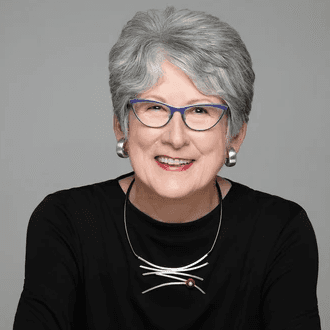
Carol Vipperman
Foundation for Russian American Economic Cooperation (FRAEC)
Biography
Carol started her journey with Russia in April 1989 when she joined a group of consultants to give workshops in Moscow and Leningrad for emerging small cooperative businesses. At the time she was a successful marketing and training consultant conducting training courses in marketing, customer service and sales for organizations throughout the U.S., Canada and Europe. Following that first trip, the group decided to start a nonprofit to help facilitate business connections between our two countries. They started the Foundation for Soviet American Economic Cooperation, later renamed the Foundation for Russian American Economic Cooperation (FRAEC). Carol led that nonprofit organization for 22 years as president advancing U.S.-Russia relations with a special focus on the Russian Far East. FRAEC was closed in 2011, and Carol is now a Senior Advisor and Program Manager at the Henry M. Jackson Foundation, a Seattle-based foundation focused on climate change, human rights, and values-based leadership. Over the last eleven years she has led the Jackson Leadership Fellows Program. She has a B.A. from the University of Washington in Far Eastern and Slavic Studies, with an emphasis on Russia.
Summary of Main Topics Covered
Carol Vipperman’s interview offers a rare, ground-level view of how U.S.–Russian economic and civic ties were built—and ultimately constrained—during the post-Soviet transition. As founder and longtime executive director of the Foundation for Soviet American Economic Cooperation and later the Russian American Pacific Partnership, Vipperman describes how citizen diplomacy, federal agencies, and regional business leaders on the U.S. West Coast worked with counterparts in the Russian Far East to foster trade, improve customs systems, and strengthen civil society. Her work intersected with organizations and agencies including USAID, the U.S. Department of Commerce, the Department of Energy, Alaska Airlines, Exxon, Marine Resources Company, and Russian regional governments from Sakhalin to Vladivostok.
Spanning the late Soviet period through the early 2010s, the interview illuminates key initiatives such as American Business Centers in Sakhalin and Khabarovsk, the U.S.–Russian Far East Ad Hoc Working Group, customs modernization efforts like ClearPac, and programs aimed at redirecting scientists from closed nuclear cities into civilian economic activity. Vipperman reflects candidly on cultural misunderstandings, the 1998 financial crisis, shifting U.S. aid priorities, and the growing political constraints that ultimately led to the closure of her organization in 2011. Her account captures the optimism, hard-earned lessons, and lasting personal connections of a pivotal but fleeting era—making this interview an essential resource for understanding how regional engagement, civil society, and economic diplomacy shaped U.S.–Russia relations beyond Moscow and Washington.
Daniel Satinsky: How did you get started being interested in Russia in the beginning?
Carol Vipperman: Well, it’s a very—I will try to keep this concise. I was a marketing consultant and was teaching people how to market their services, and I got asked to go on what we would probably consider a busman’s holiday to the Soviet Union in 1989 in April to teach the…be part of a consulting group that was going to teach the emerging cooperatives, you know, the first form of legal business, how to market themselves, how to do business. And so what—
Daniel Satinsky: Who invited you to do that?
Carol Vipperman: There were a group of consultants. Millard Mott was one locally. There were some on the East Coast. We had a couple people from Sweden. So, it was a really eclectic group. And I think it was organized primarily—well, no, I’m not sure, actually, I shouldn’t say that. But it was people who had been involved in citizen diplomacy work, primarily. So, what they didn’t know is that my degree at the University of Washington was in Far Eastern and Slavic studies and area study of Russia. And I never did anything with it. It was something that interested me, and so it was 20 years later that I went to the Soviet Union. So, that’s how we got started. We went on a 10-day trip to Moscow and Leningrad. And I was completely transformed by the experience. It just was mind-blowing for me.
Daniel Satinsky: Okay, explain that a little more. In what way?
Carol Vipperman: Well, you know, I mean, I had studied the history of Russia, and I spoke a little bit of Russian. But to go from our economy, our culture, where we just have everything, more or less, to a very different place where they were basically starting to fight for their freedom, their freedom to do business. And I really connected with the people, you know, the people in—I mean, that was just really instantaneous. So, I just came back, and I remember walking down the streets in my city in Seattle thinking oh, my god, we just have so much, and they have so little. So, I was really moved by that experience.
Daniel Satinsky: Mm. And so, the citizen dip—you weren’t…were you involved with citizen diplomacy before this?
Carol Vipperman: No.
Daniel Satinsky: No. But it was citizen diplomacy people who organized the trip.
Carol Vipperman: Right.
Daniel Satinsky: And what kind of co-ops did you meet with when you went over on that trip?
Carol Vipperman: Well, you know, it would be hard for me to recount the kind of businesses, but they actually held a seminar in Moscow where people came from all over the Soviet Union. I mean, it was stunning to me. So, a lot of them, I mean, they had small businesses. One had a windshield repair business and, you know. And they were adding more businesses all the time because they never knew when one was going to be shut down, which was a very interesting thing given, you know, our sort of focus on get your business, know what your mission is and, you know, stick to what you’re doing. But in the Soviet Union at that time—and this is before the Wall fell, obviously, it was April of 1989—they were always having to anticipate what might get shut down, so they had to have several possibilities. But they were all basically small businesses.
Daniel Satinsky: Were they, any of them, from the Far East?
Carol Vipperman: You know, in the seminar I think there were some people who came in from the Far East, but we were concentrating our site visits and discussions with people in Moscow and Leningrad, so they were more local.
Daniel Satinsky: Okay. So, when you came back then what was the next step in this relationship?
Carol Vipperman: Well, I think everyone, like myself, wanted to make a difference, wanting to do something, so we decided to start up a nonprofit that would focus on helping them make business connections. And so, the majority of the people, not all, but the majority were here in Seattle, so we sort of started to form the core group. And we created the organization that I led for 22 years. It was the Foundation for Soviet American Economic Cooperation. Obviously, we changed the name later on. But we thought that this was the one intervention point we can make. They wanted to do business. And we were fortunate because the Goodwill Games came the next year, so Seattle was the focus of a lot of activity connected to the Soviet Union. So,that’s what we did, we started up a nonprofit. And I, because I had the most community connections at the time of all the people, became its executive director.
Daniel Satinsky: I see. And how many people were involved with that?
Carol Vipperman: Initially, you know, there were about six or seven people on the board. We recruited some people, external people. I was the only staff, and I wasn’t being paid. I was a marketing consultant, so I was working full-time and doing this as well.
Daniel Satinsky: And were the people involved also consultants or did they have businesses?
Carol Vipperman: Most of them were consultants.
Daniel Satinsky: Okay. And what was your focus? What did you do when you got started?
Carol Vipperman: Most of our focus initially was really on the western part of the Soviet Union because that’s where our contacts were. And as I said, we started up, and I was on the board of the Chamber of Commerce, and so I went around to—the first year I spent a good amount of my time going around to members of the Chamber getting them to become sponsors, like Alaska Airlines.
And the reason they did it—you know, I raised 40,000 the first year, which was not a small chunk of change, but it was something. And we were doing things like producing newsletters, speakers if we had an opportunity. And then, as I said, the Goodwill Games came and we were involved in a couple of—a business roundtable, and we were also involved in what was a U.S., West Coast, Russian Far East effort as part of the Goodwill Games, so that gave us another level of contact. So, we were basically just trying to be informative about opportunities and spread the word.
Daniel Satinsky: Right. And so, you weren’t particularly focused on the Russian Far East at that time.
Carol Vipperman: No.
Daniel Satinsky: Did you have partners in the Soviet Union?
Carol Vipperman: Well, we had Russians who were in Moscow who continued to work with us. That was such a long time ago, Daniel. I’m just trying to stretch those memory muscles.
Daniel Satinsky: Right.
Carol Vipperman: But they were trying to be helpful. But it was, as you can imagine, it was difficult to get people interested in doing business. And I went back to the Soviet Union several times, and it was exhausting because everywhere I went somebody wanted to sign a contract with me, and they didn’t understand that that’s just not what we do. So, it was hard because there clearly wasn’t as much interest on this side as there was there.
Daniel Satinsky: Yeah. And so, then the Goodwill Games promoted some more interest?
Carol Vipperman: It certainly opened up the doors and people became more curious. We did some trade missions. And I remember being in Novosibirsk and the bus driver talked about the Seahawks, because the Goodwill Games had been aired all throughout the Soviet Union, and basically people were aware of Seattle.
Daniel Satinsky: Wow, okay. And what about the Marine Resources Company? Were they involved with you at this point?
Carol Vipperman: They did eventually become involved, and the founder of the company, Jim Talbot, actually came on my board, and Tony much later, but initially Jim Talbot. It took a while to convince him and a few others, but they finally said okay.
Daniel Satinsky: Yeah. But they were kind of the pioneers of this West Coast-Soviet foreign relationship, right?
Carol Vipperman: Well, they were the pioneers of just U.S.-Soviet work. They were doing the fishing, the first joint venture fishing. And certainly, in the Russian Far East. And Tony Allison lived in Nakhodka. He was the only American over there. So, they were really pioneers in the truest sense.
Daniel Satinsky: Yeah. And they were reluctant to get involved in the beginning, or you had to…?
Carol Vipperman: Well, I think, you know, people were wondering is this going to work, you know, who is this person.
Daniel Satinsky: Right.
Carol Vipperman: And I think finally they were okay, you know, it looks like it’s got some ability, that the organization could actually do something. I mean, these people in particular, I mean, Jim was a huge supporter, but he was a very busy man, and do you want to spend your time in reputation with a group that might not make it through the year.
Daniel Satinsky: Right. So, did you reach a turning point with the organization where things began to change and grow, or the prospects changed?
Carol Vipperman: Well, I think that we relied initially on membership, and so there was interest. We basically, you know, they weren’t paying me for several years because we just didn’t have enough money. But I think what happened was with some of the efforts on U.S.-Russian trade and U.S.-Russian policy that had shifted, I think it was in ’92, ’93 they were starting to put money aside to do things. We actually got a grant to try to make business connections with the Russian Far East. And that, again, was hard, but that gave us a little bit of a toehold.
And so I think a big turning point was probably in the early to mid ‘90s, when federal funding became available, and we started to seek it out and receive funding. And that, of course, was the turning point. At that point I was actually working full-time for the organization. We had gotten enough money in that I could do that. But a big turning point was when we were able to apply for and win federal grants.
Daniel Satinsky: And from what federal agencies?
Carol Vipperman: Well, we had a grant from the Department of Commerce. We had money ultimately from the Department of Energy, USAID. We had a variety of federal funds. Our biggest funder over the years was USAID. But initially we did, you know, we ran, for example, the U.S.-Russian Far East Ad Hoc Working Group, which turned out to be a bilateral forum where we brought together people from the Russian Far East, the U.S. West Coast, the feds, and we held bilateral forums, so we did that. And we did that right up until the end. So,that was a huge—and that was a huge success, and also we had federal money for that.
Daniel Satinsky: Yeah. So, how often did you hold those events?
Carol Vipperman: Annually. We went one in the Russian Far East, one on the West Coast.
Daniel Satinsky: Right. And so, there were businesspeople from both sides who would attend this?
Carol Vipperman: Yes.
Daniel Satinsky: Yeah? Just out of curiosity, do you think there were business deals that were done as a result of this?
Carol Vipperman: I think so. I think so. You know, there were enough—at that point there was a lot more interest in the Russian Far East. We had members like FESCO that were involved, and the [oil company]—
Daniel Satinsky: The shipping company out of—
Carol Vipperman: Shipping company, and then also the oil companies were supporters, you know, Exxon. And things were happening. And of course, by then also in the mid ‘90s we actually got a grant to open up an American business center on Sakhalin Island, and so we ran that for many years. And that was a big help for both, you know, I mean, we had an American running the center and was helping to help businesses all over the West Coast, or frankly anywhere they came in, they would come to our center. And that was funded through the Department of Commerce.
Daniel Satinsky: I see. And what did the business center do?
Carol Vipperman: Basically, it was we had office space so people could come in and use it if they were traveling. Mostly, though it was connection-making, giving people opportunities, you know, if they come in and they’re trying to make a connection with a business or someone in the government, and we facilitated that. I think we were often seen as a quasi U.S. government. We were not. But from the standpoint of the Sakhalin people, they saw us as the face. And we would also host our U.S. government consulate and embassy people. We also had Bill Richardson there once we had—so we were very involved in the business activities on Sakhalin Island.
Daniel Satinsky: Was Sakhalin sort of the gateway to the Russian Far East or…?
Carol Vipperman: Well, that’s where all the oil and gas projects were.
Daniel Satinsky: Yeah, okay.
Carol Vipperman: So, that was a big draw for a lot of businesses, particularly in Alaska as well as—you know, who were trying to service those kinds of accounts. So, that was a big draw. Probably the biggest draw in the Russian Far East.
Daniel Satinsky: And did you have working relationships in Nakhodka and Vladivostok and Khabarovsk and other places?
Carol Vipperman: We actually ran an American business center in Khabarovsk, too, at the request of the U.S. government. But obviously we did trade missions and we also, when we’d hold our working group meetings we would move them to different regions, so we got to know people in Khabarovsk, the governor in Kamchatka, in Buryatia. That was the nature of the work we did, so we were very much engaged with those other regions.
Daniel Satinsky: And did they find sort of common language with people in the Pacific Northwest or in the West Coast? Was there something that bound the two sides together that was particular or specific?
Carol Vipperman: Yes. We share—well, first of all, we share an ocean. Secondly, we share several industries—fishing, forestry, and also, you know. So, that was a big draw, the fact that we were, you know, there were people doing fishing on both sides, and [Weyerhaeuser] was involved at one point and was trying to do something over there, the forestry. So, they felt like there was this natural partnership. And actually, I think there were attempts made—I understood, anyway—to try to create other kinds of partnerships throughout Russia with other parts of the United States, and I’m not sure how successful that was because ours was sort of an obvious one, just because of the physicality and also the industry, resource-based industries.
Daniel Satinsky: Yeah, yeah. So, then did you—you must have developed a lot of working relationships in Russia itself, in the Russian Far East. What were the good ones? Who did you enjoy working with as part of that?
Carol Vipperman: Well, you know, we worked with a lot of people. First of all, I would say that at that point I had several managers, so I wasn’t doing it all myself, so I had people who were out doing that. Interestingly, one of the things that was both the most challenging and the most rewarding thing we did is working with Russian customs. We actually worked on an initiative that was created out of the working group meeting on custom clearing, and a project named ClearPac was developed, and it was a way to expedite the cargo. Before that time when ships—they wouldn’t even begin processing the cargo until the ship came to port.
And so we were working on electronic information sharing and reducing the number of fields, and it was a very challenging process, but it did work, it did happen. It took years. But we made some very close friends. The head of the Russian customs in the Russian Far East became a good friend. And there were a lot of businesses that were helped by that. I mean, they were mystified as to why we cared about that. Who cares? It’s like we kept trying to explain if we can get our goods into port faster it means it helps our businesses, our producers. So, that was a long project—
Daniel Satinsky: And it was implemented?
Carol Vipperman: It was implemented, yes.
Daniel Satinsky: Is it still operating? Do you know?
Carol Vipperman: I really don’t know. It’s been too long. I mean, my work with Russia stopped in 2011, so I have absolutely no idea. But at the time I actually went to Moscow and signed some documents with the head of Russian customs, so at some point it was working. Now what they’re doing now I really don’t know.
Daniel Satinsky: Yeah. Yeah, well, obviously all the conditions are different. So…I lost my train. I wanted to ask you something about this. So, this came out of a working group between the two sides that identified customs as a problem, as an [obstacle], right?
Carol Vipperman: That’s correct.
Daniel Satinsky: Okay. And so your role in that was to manage the work around it, yeah?
Carol Vipperman: Yes. We basically…it came out of one of the very first U.S.-Russian Far East Ad Hoc Working Group meetings that was in Seattle. So, we basically shopped it around the U.S. government to try to find some support, and we ultimately got some. And we were then able to—we were responsible for managing the grant. And I had people who were managers who were actually working the day-to-day to move the initiative forward. So, we were responsible for the grant we received, and we also needed to be responsible back to the working group of businesspeople who were actually interested in this being implemented.
Daniel Satinsky: Okay. And during this time, you weren’t living in Russia.
Carol Vipperman: No, no. I was here in Seattle.
Daniel Satinsky: You were living in Seattle. And how often did you go back and forth?
Carol Vipperman: It depended. There were years that I would travel like five times a year for several weeks at a time and there were times I went a couple times a year. But as we matured, I had a manager on Sakhalin, I had one in Khabarovsk, I had people who were traveling over there. I didn’t need to be there as much. My job was to run the organization. I was happy that I got to go. I enjoy traveling.
Daniel Satinsky: Do you feel like some of those people you worked with on the Russian side became friends or colleagues, or how did—I mean, you didn’t have that day-to-day connection with people that others on your staff had, so how did that work for you in terms of the personal relationships with some of these folks you were working with?
Carol Vipperman: Well, I actually was there enough that I could see people. I still, to this day, I have many Russian friends on Facebook and others who keep in touch that have gone way beyond my time professionally when I was involved. There was a woman in Vladivostok that I met, I think it was in 1990, when we were—or ’91. I don’t recall what year it was. It was very early on. We were doing seminars and we had traveled across the country. And it turns out she decided to start a company, and she named it after me, so the name of the company was Carol. And I finally got to meet her once, and then we became good friends. And her husband is a very talented artist, and we helped him get a gallery here in Seattle to sell his work.
But I remember once sitting underneath—I was getting ready to leave Vladivostok, and we were at her dacha, and we were sitting under the sunflowers, and we were having boiled potatoes, and pickles, and champagne, and I realized—she spoke enough English, and I spoke enough Russian that we could have a conversation—and I realized we just weren’t that different. We lived in different communities, different governments, but we really, we’re just two women who have similar lives. So, that was very satisfying. That was a very satisfying experience. And I’m still in touch with her, although I haven’t seen her since I—I haven’t traveled back to Russia in at least [15] years. So, I do [feel like] I still have some connections.
Daniel Satinsky: Yeah. So, back to your working groups in customs, were there other problems that you identified that you then worked on besides the customs?
Carol Vipperman: Oh, yeah. There were a number of things, and I honestly couldn’t begin to pull it out of my head. When we would meet there would be sector breakouts. One would be on transportation, one would be on oil and gas, and another one might be on food, whatever, retail, and they would come up, the members, the U.S. and Russian businesspeople would determine what they thought were recommendations to our joint governments or to whomever. So, every year there was something that people came up.
But the one that really stood out, as I said, was the customs, because that was such a long engagement that we were personally involved with. But the point of all of that, we would produce a report, and it would be sent to both our federal governments and to our regions, and it depends on who the target was. And I think there were things that changed as a result of that.
Daniel Satinsky: And did you feel, as you were doing this, that you were sort of building this economic relationship between the Far East and your part of the West Coast that was going to last, this was something that was forward-looking and would last over the future?
Carol Vipperman: That was our goal, and that was our belief at the time. And even post when I closed my organization, the working group, the Russian American Pacific Partnership—we renamed it because the U.S. West Coast Russian Far East Ad Hoc Working Group was really just too cumbersome. But the RAPP, the Russian American Pacific Partnership, continued to operate with one of my former managers who ran that program. And they continued to have impact until, of course, the events of recent years, because we couldn’t work with Russia. But I think for those people involved it was very important. It was a lifeline.
Daniel Satinsky: And it was a lifeline in terms of sort of personally, but also business-wise as well. There was real business that was being done.
Carol Vipperman: Yes. It was around the business. It was really, that was very important. And of course, it got harder and harder as the economies changed and post the Asian crisis. They had to sort of start all over again. A lot of challenges trying to do business in the Russian Far East.
Daniel Satinsky: Yeah. And do you think there were significant regional aspects of this as opposed to just being the dealing with Russia as a whole or the kinds of things people encountered in European Russia? What was different about the Russian Far East?
Carol Vipperman: Well, first of all, it’s a very huge piece of land. I mean, the Russian Far East is a huge territory with not as many people. I mean, they have been losing population. People have gone to Moscow for other opportunities. So, they had not very many people. A very big piece of territory. And they were in the resource businesses, which is really difficult. So, if you just do…if you’re in lumber, and you’re just cutting timber versus doing manufacturing. So, getting the manufacturing sites up was difficult. I also think they’re a long way from Moscow. Even though they’re very much tethered to Moscow, it’s just much more remote.
The other thing is there’s also the influences of China, and the Chinese were very interested, obviously, in the natural resources. So, there were just a lot of challenges. But the kind of investment you have to make to go from just cutting timber, for example, to doing value-added products, there weren’t as many people…there weren’t many businesses in the United States that I think were willing to make that kind of investment. And we, of course, don’t have the same kind of support that other countries have in terms of the government provided money to businesses to do that kind of investment, so it just made it harder.
Daniel Satinsky: Yeah. Were there some U.S. businesses who made that kind of investment that you can remember?
Carol Vipperman: Well, you know, clearly in the oil and gas—
Daniel Satinsky: Oil and gas.
Carol Vipperman: Yeah, that’s the obvious one. And there were other businesses that invested and had offices there that were providing services to that industry. Marine Resources had a very active business for a long time there. But in terms of building a physical plant, I can’t think of any outside of the oil and gas sector.
Daniel Satinsky: Yeah. So, it was mostly trade and services.
Carol Vipperman: Yes, I would say that.
Daniel Satinsky: Yeah, okay. So, were there equipment suppliers like Caterpillar and—
Carol Vipperman: Yes, absolutely.
Daniel Satinsky: Oil field services companies that were involved.
Carol Vipperman: Yes.
Daniel Satinsky: And they participated in your organization and in these meetings?
Carol Vipperman: Yeah, they did. And actually, the largest Caterpillar—I’m blanking on his name—but he had all of the business in the Russian Far East and was a very active member of our forum. He was from Atlanta. But their interests were in the Russian Far East. So, it wasn’t just Northwest businesses, it was anybody, as it continued, it was anybody who was interested in the Russian Far East got engaged with us.
Daniel Satinsky: Okay. And as you began this process, obviously there are cultural differences, lots of them. What kinds of cultural differences did you notice most, both in terms of business and in the way of relating around business?
Carol Vipperman: You know, there are many, and then in some ways there are not that many. I mean, I felt an affinity with the Russian people, but obviously there are different ways that we approached negotiation, there are different ways we approach business decisions. I think one of the hardest parts for me was they’re much more direct. And we had to be really careful about what we said because they could take it literally.
And one time remember I was in Vladivostok with one of my managers, and I was having to sit in front of an enterprise manager who we had introduced to a businessperson from the U.S. And basically, I think the businessperson said we’ll think about it, we’ll give it some thought and we’ll explore it. The Russian considered that a deal. And so, as an American we were basically saying we need to give some pause, we need to think about it, but the interpretation was different. And he was very angry because he lost business over that, and I had to sit there and take it because we were the ones that introduced him.
So, I think one of the things I learned very clearly to be clear about what you are saying that you’re going to do because it’s not just the interpretation, it’s not that, it’s just the tendency to read into what does that really mean. And so some of us tried to be very diplomatic and not say flat out no to buy ourselves some time. So, that was something that became really clear to me early on, is like we need to be very clear about what we can and cannot do, and not to say something that might be misinterpreted. So, that was a difference.
The other, of course, is, totally separate from the Russian Far East, we were involved in an initiative that was funded by the Department of Energy, which was to help bring business opportunities to the closed cities of Russia, the nuclear closed cities, and our job was to help set up basically business centers within these cities. And I remember being in Sarov, and the guy who we were having to talk to, which is basically give us the money and we’ll do it—well, you know, no, this is U.S. government money. Also, what we needed and why we were successful in two other of the closed cities was that we really had a true partnership with the city and the institute there. So, we had employees. They were all living in the city. There were no Americans there. But we literally had a fairly good partnership. So, what we were looking for was a partnership where we were going tocollaborate, we would manage the money, they would be able to have the benefits of that. And he just would not have it.
So, finally I said to my colleague, who was with one of the national labs, I said, well, you can do this is you want, but I’m not doing it. So, I went back to Washington, and I had to meet with one of the heads of the Department of Energy, and I just explained. I said this is the ground for no success here, so we’re not involved. If they want to do it, fine, but we’re not going to do it. And she was very understanding.
So, I think my experiences early on helped me because they were tough. I thought working with Russian customs was hard but working with people in the nuclear energy were even harder, because they were just really, you know, they had this “give us the money.” We’re like, no, you know, can’t do that. So, anyway, that’s a little bit off the topic.
Daniel Satinsky: Right. So, I’m assuming that some of what you were doing with those closed cities was teaching people about business and about a private economy.
Carol Vipperman: Yes. And also, we worked closely with a national laboratory who also, in each of those cities, who actually was looking for business connections that we could bring, technology, more technical, because this was very technical. It wasn’t just about starting up a retail store. It was trying to find opportunities for them to do work instead of the nuclear business that they were involved in. So, we managed the business center who provided a whole array of services, and we worked with the national laboratory when they brought a connection, you know, to bring them into the city so they can meet and discuss possibilities.
Daniel Satinsky: And they were looking for opportunities for either technology transfer, commercialization, or a high-level outsourcing of resources, right?
Carol Vipperman: Yes.
Daniel Satinsky: Those were the things?
Carol Vipperman: Yes.
Daniel Satinsky: Okay. And did you notice, or could you describe the progress of Russians from when you first met them in those closed cities and their knowledge of business, and their sophistication about what it meant to be in a market economy and how that developed or didn’t develop over time?
Carol Vipperman: Well, I think that first of all, each city was different, obviously. Zheleznogorsk is where they produce plutonium, much more like our Richland here in Washington state, and in Sarov, of course, is the design, and we never did work in Sarov. But in…I’m blanking on the other city. It will come to me. Anyway, so there were different kinds of work that they did. And we found in Zhelenogorsk that particularly in the city leadership there was a lot more entrepreneurial in their own, but it was a very different kind of work. I mean, that work of making plutonium is different than when you’re designing nuclear weapons, the kind of people who are being employed.
But what I do think is it made a difference for the people in that city. I think what we learned very clearly, too, it’s very hard to bring in international companies to Russia and to work in the nuclear cities. We found, I think the national laboratories found that it was better to actually go look for Russian resources, Russian businesses already in Russia who would be interested in working directly for the commercialization or the tech transfer. I think that strategy worked better than trying to bring in U.S. or European firms because there were so many barriers. But I think it made a difference, and I think—I don’t know if those centers are still operating, but they were important to the region, to the cities.
Daniel Satinsky: Right. So, was there an effort to find…to keep these scientists from going and taking their science to Iran, or North Korea or something.
Carol Vipperman: Yes.
Daniel Satinsky: To find them a way forward in this new economy. Is that correct?
Carol Vipperman: That is correct.
Daniel Satinsky: Okay. And that was more or less successful in doing that?
Carol Vipperman: I think more, but it wasn’t easy. I mean, it depended on the city. And the more likely that the workers would be scientists, the harder it was, because obviously they wanted jobs that were using their intellect. And so, it, you know, I think it was worth the investment the Department of Energy made. I think we made a difference. Whether or not it truly transformed their cities into different kind of economies or different kind of commercial, I don’t know that yet. I mean, it’s been too long. I just don’t know.
Daniel Satinsky: Yeah. But that was the intent.
Carol Vipperman: Yes, that was the intent.
Daniel Satinsky: Okay, okay. And do you think that any of these scientists sort of became entrepreneurs?
Carol Vipperman: I think there were. Not as many as you would probably want, but…
Daniel Satinsky: But some did.
Carol Vipperman: Yeah, yeah.
Daniel Satinsky: Okay. And did they travel—did the Department of Energy or your program bring them to the U.S.? Did they travel and…? Okay. So, the idea was to broaden their horizons.
Carol Vipperman: Right.
Daniel Satinsky: Yeah, okay. Okay. And were there other programs similar so that you administered through maybe not the Department of Energy, they were through other agencies?
Carol Vipperman: One of our major programs that we ran for six years was a U.S. West Coast partnership program that was funded by USAID. And basically, we were providing grants to nonprofits in the U.S. and in the Russian Far East, mini grants, you know, 50,000 to 100,000, which is actually a lot of money. But from USAID’s point of view, they couldn’t administer those small amount of grants, so we were funding partnerships between organizations.
Like there was a group in California that worked with the Vladivostok ambulance service to expedite their time to get to an emergency, as well as having some defibrillators on board, and they brought equipment over. Very successful, saved lives.
We had a group in Seattle that partnered with orphanages in the Russian Far East to help them bring learning skills. In other words, most kids, when they were coming out of the orphanages, they had no life skills. They didn’t know how to do anything. And so, they brought a program that was very successful in the States to the orphanages where these young people were learning life skills, and some of the orphans actually went on to college, which at that point was not heard of.
We had a group from Alaska who partnered with folks in the Russian Far East bringing basically—what’s the word I’m looking for—they brought health clinics to remote areas so they could actually check blood pressure and provide services, and that was highly successful.
So, there were a number of things like that that probably were not around business at all, it was completely around community. And that was, I think, a really rewarding experience to see the differences that these partnerships, and, you know, to give them some money and they worked together to make it happen. So, there were many stories like that that I found quite satisfying, and we were very happy to be part of that.
Daniel Satinsky: Yeah. So, you were…it was part of transforming or creating civil society—
Carol Vipperman: Yes.
Daniel Satinsky: —with services sort of outside of government or that government hadn’t done very well. Is that fair?
Carol Vipperman: Yeah, I think that’s fair. And I remember once talking to one of my business members of my organization when we were starting to get involved on the community side, and I was wondering if that wasgoing to stray us away from our mission, and he said, you know, if you can make the quality of life for my business partner’s family better, then you’re helping me do business.
And I said okay. So, that is why we actually went from just being focused on business and being focused on business and community, because we felt like we could also support, like you said, make his business partner’s family’s life better.
Daniel Satinsky: Right. And were these your initiatives or were they…was it also the direction that federal government funding was going in, and they were looking for partners to do these things?
Carol Vipperman: Well, in the case of USAID, it was their initiative to promote putting out a proposal that we applied for. But I will say that one of the reasons why the U.S. government spent so much attention on the Russian Far East was that the senator from Alaska—all of a sudden, I blanked his name—was very involved, and he earmarked that they had to spend at least $15 million a year in the Russian Far East. And so that helped us a lot because the U.S. government had to spend money in the Russian Far East. It forced them to do that.
And so that helped us in terms of everyone, actually, not just us, but a lot of people because then—early on, in the early days, as you may remember, most of that money went to folks around the Beltway. All the assistance money, whatever it was, was, you know. And we basically, Senator Murray was a new senator, but she was the head of the, sort of the Northwest region of senators, and we actually hosted a conference here, and I guess had to force USAID to come out and do a bidding conference, because we were just saying, you know, this is a—we have this huge group of folks that could benefit from receiving some of this federal assistance money to do work in the Russian Far East. And so, we were very much involved in trying to get D.C. to pay attention to us.
Daniel Satinsky: When was that? What year was that? Roughly.
Carol Vipperman: It was in the early ‘90s.
Daniel Satinsky: Early ‘90s, yeah. Okay.
Carol Vipperman: Yeah. I think ’92, ’93.
Daniel Satinsky: Okay, so USAID was really just getting on its feet at that point, right? I mean, they—
Carol Vipperman: Probably. I mean, they were obviously providing assistance, but again, it was for big, big, big projects and for folks in the D.C. area.
Daniel Satinsky: Yeah. So, you were shifting some of that funding and attention towards the Far East and the West Coast.
Carol Vipperman: Yes.
Daniel Satinsky: And I know there was a lot of activity in California. Were you in competition with people and organizations in California, or did you collaborate with any of them?
Carol Vipperman: No. We worked with everybody on the West Coast because there was more to do than what we could do. We worked very closely with the U.S.-Russian Business Council as well, and the Chamber of Commerce in Moscow. I mean, we were…you know, we collaborated. Obviously, if we were applying for the same grant we were competing, but it was just too big of a territory, too big of an issue to just try to do it all ourselves.
Daniel Satinsky: Yeah, okay. And was Seattle a sister city of any…?
Carol Vipperman: Actually, our sister city is Tashkent.
Daniel Satinsky: Oh, okay.
Carol Vipperman: We had, you know, Tacoma had a sister port relationship with Vladivostok, and there were others that had different relationships. That was certainly helpful. But we didn’t have a formal sister city relationship in our city.
Daniel Satinsky: Right. I know, I think it was San Diego had a sister city relationship with Vladivostok.
Carol Vipperman: Yes. Yeah. Well, then they got real creative, and they had the sister port, they had, you know, had all kinds of things which I don’t know were quite legal, but, you know.
Daniel Satinsky: Right. So, 1998 was the crash. How did that affect you?
Carol Vipperman: Well, it was really challenging. We had an American business center then. And actually, Dinty Miller, who was our director at that time, he was actually helping organizations get money in the, you know, I mean, getting money in and just doing some creative things because everybody was really hurt. It really pretty much wiped out a lot of the small, small businesses in terms of their…they lost a lot of things. So,the interest was soured by that experience, and obviously—
Daniel Satinsky: Are you referring to American or Russian businesses?
Carol Vipperman: American.
Daniel Satinsky: American small business.
Carol Vipperman: They couldn’t sustain, you know, so they just basically dropped out of the market. So, it really shifted a lot of things. We actually held an emergency Ad Hoc Working Group meeting in Vladivostok, and we brought our Secretary of State at the time of Washington state, Ralph Munro was there, and we came together, a much smaller group than normal, but basically to say we’re still committed to collaborate, and what can we do. And then we traveled up the coast to see other governors to try to basically reassure them we’re still interested. But that took time. That was a very tough period of time. It was a whole—they had to start all over again, so to speak.
Daniel Satinsky: Right. And were you able to start all over again then?
Carol Vipperman: Well, we had federal funds, so we were able to continue to do what we were doing. But it just made it harder when we were wanting to bring the working group meetings together and getting people from both of our federal centers to come. I mean, it was just…it just took a while to get the momentum back up.
Daniel Satinsky: Right. Well, I know that in the ‘90s Russians were kind of…had romantic ideas about America and Americans, and we could do no wrong, and everything we had was the best. Did you notice at any point that changing, that attitude of romance with America?
Carol Vipperman: Well, I think yes, when the reality hit that we couldn’t just do deals that certainly had an impact. I don’t know that I would say it was a dramatic change. I think it’s more subtle, you know, and as… I think it’s mostly, you know, on a personal level I didn’t feel that as much, although I do remember having a conversation with a group of Russians who I respected greatly who were really singing the praises of Putin, and I was—this is a long time ago—and I was shocked. But for the first time in their lives, their life was stable, you know, and so I really saw that stark difference about what you’re willing to give up for stability.
But, you know, I think on a business front there were probably, you know, it became real clear American was not going to be the gold mine for business there, so that waned, and it got to be bigger businesses interested in doing things. And we certainly supported that. On the community development side, the people side, I think that continued. I think that they still really valued our connections, and I didn’t see that so much on that level. It was mostly in the business area.
Daniel Satinsky: Yeah. So, did Russians in the Far East start looking more towards China or Japan or Korea?
Carol Vipperman: Well, they always had, but I think China became, particularly for Primorsky Krai China became a big influence. And it was both welcomed and worrisome for them because there are so many people, and they were worried about being kid of overrun by…but they were—the Chinese had money.
Daniel Satinsky: And they were spending it.
Carol Vipperman: And they were spending it, yes.
Daniel Satinsky: And so, did the 2008 financial crisis impact you any, I mean, the worldwide one? Did that have the same kind of impact as the 1998 crisis?
Carol Vipperman: Not as much, that I remember. I mean, obviously everyone was concerned. We were all concerned. But it wasn’t…from the standpoint of our service delivery it didn’t have as much impact. It was more just that whole worrisome thing, what’s going to happen. People were worried about their portfolios and, you know. But at that point we were pretty established, had enough diverse funds at that point so we were able to get through it.
Daniel Satinsky: Yeah, okay. And was there any noticeable changes in USAID priorities over this period of time in terms of the kinds of things they were interested in funding? Could you talk about that a little?
Carol Vipperman: Yeah, well, I mean, they had, of course, you know, AID was supporting a number of organizations throughout the U.S. and Russia, so I think there was a shift more towards providing more support to Russians directly. There was that. I think there were some areas that they felt like—I think they felt like they couldn’t get involved as much with, you know, in, because of political issues or how, you know. And USAID in Russia, particularly later on, had a real fraught relationship, and so they were much more careful about what they funded. Interestingly, after I closed my organization and went to work for the foundation that I work for now, we hosted a group of NGOs, civil society NGOs, and we got a $100,000 grant from the Embassy, from USAID, so there were still some, you know, there was still money, but they were wanting to support civil society, those kinds of activities. Less interested in supporting any kind of business connections. You know, there were not…they felt that was up to the business leaders now.
Daniel Satinsky: Yeah, so they moved away—
Carol Vipperman: Yeah, we’re starting to narrow a little bit.
Daniel Satinsky: Yeah, okay. And so, what do you think, if you look back, what was your greatest achievement with this organization? What would you say that was?
Carol Vipperman: Mmm… Well, the first thing that came to mind is we helped put the Russian Far East on the map for many people in the U.S. that were not aware, and certainly for some of our government leaders. I feel very good about that because I know we were very involved in that process. One of the things that I feel very good about is that we had some very smart, talented, caring people who worked for us who went on to do really interesting careers, some in the Russia field, and others in different ways, but they went on and are still connected, which I feel grateful for. I mean, I think that’s a really nice thing.
And I, you know, I—this is more personal—but I feel like it was a gift to be involved in Russia at that time, the Soviet Union through Russia. Not many people—although I know a lot of people who were engaged, the reality is there was a very small percentage of people in the United States that ever had that experience, and I felt like it was a gift.
Daniel Satinsky: Yeah. And explain more why it was a gift.
Carol Vipperman: Because I learned a lot about myself. I made these connections with people, some of whom I’m still connected with. I saw a part of the world that I would have never seen otherwise, particularly in the remote regions. And, you know, I just think I’m a little—I’m a better person as a result of that experience.
Daniel Satinsky: Yeah. Well, maybe this is a curious question, but do you think you impacted Russia more or Russia impacted you more?
Carol Vipperman: Well, I would be really—[laughs]—it would be really bold of me to say that I impacted—
Daniel Satinsky: Yeah, I get that that’s a crazy question to think a person or an organization changed a country, but there were, in a sense, when many Americans went there it was to change the country. That was the whole point, was to change the country. And I think that many found themselves changed through that experience as well, so that’s what I’m trying to get at with this.
Carol Vipperman: Yes. I don’t know that I would have considered us going there to change them, but to open it up for the people, you know, and like give people—they were opening up, the people were eager to have connections, to learn, to do business, and we were there to help make that possible. We could be a bridge for that. But I do think in the long term it had more of an impact on me than I probably had on them. You know, I mean, there are people who might say that a little differently, but, you know, I think I have to be humble about that. I think I’m the one that probably got the most out of it.
Daniel Satinsky: And I think probably like most of us at that time, we thought these changes were permanent, that this integration of Russia into the world and the world economy was a permanent change. And was there…at what point did you begin to question that assumption, that it was permanent?
Carol Vipperman: Well, I think—well, first of all, I don’t know that I would say that I thought it was going tobe permanent, because every time it was changing, but what I was hopeful for is it was evolving, and it would evolve into a more open society. And I had a lot of hopes with Medvedev that we might be able to do that. But I will recall that in the whole time that I worked with the Soviet Union and Russia it never was easy. Even when we were doing things that were the right thing to do, and people wanted to do it, it was hard. Just everything about it was hard—the bureaucracies. I mean, there are just…you know, just many. But we just kept going because we believed we could make a difference.
But I can say in the last few years, probably 2010, 2011, it became clearer to me that it was…that people were starting to get nervous. Like I had an initiative that I was talking with a major company—I won’t mention who, which company—about, and it had to do with civil society and electronic voting. There were some things that we were involved in. And the people on the U.S. side for the company were like yes, let’s do this, and we had all kinds of support from the federal government. But when I got into Russia and started talking to people in the Moscow offices, they were like, mm, you know, they just kept pulling back. And I couldn’t figure out—and this kept happening.
So, I realized there was a lot more reticence. If you’re living in country there was, you know, the worry about the Russian government and how they perceived it, and how that would impact their business. So, even though this was something that the Russians wanted, and we saw the value, and we do it in our own cities around electoral things, the tech partner were like, mm. So, I started to think this is, you know, it seemed like every time I turned around it was like yay, we’ve got a great project, and it was like, no. And yay, no. So, it just…it was like what’s happening here? So, I started to be discouraged. I don’t think I was able to say oh, it’s ending, but I could see that it just wasn’t going to be that easy to do things that we thought were good, that other people thought were good outside of Russia. So, clearly the climate had changed, and that was pretty obvious.
Daniel Satinsky: Right. So, by 2011 you decided that this was not going to go forward.
Carol Vipperman: No. And there were also indicators from USAID. They kept postponing giving an award for something that we had applied for. So, we, you know, it was like we were pushing that rock up the hill and it kept rolling back. And so my board and I decided, it was very hard, but we decided to close the organization. And I was both sad, because I founded it, but I was also relieved because it was just so hard.
And then, I’ll never forget, it was September, 2011, I was in a photography workshop on Mt. Rainier, and I had no access—we didn’t get any cell coverage or whatever—and it wasn’t till I was driving down the mountain that I heard that Putin was running for president, and I just—I won’t tell you what I said, but I just said I’m done. I’m done. I mean, we had decided at that point to close, so it wasn’t like… But it was like okay. And one of my friends said to me you’re so naive, you thought—I said I really was hopeful that Medvedev was going to be the future, the young future. And clearly, I was more optimistic than the situation warranted.
Daniel Satinsky: Right. Well, so taking account of all these things, do you think there are aspects of what you did that remain in terms of structure, ways of doing things? I don’t know what else, right? That there were consequences of what you did as an organization that continue regardless of the organization being there or not.
Carol Vipperman: Well, it’s kind of hard to know since I haven’t been back in 14 years, but what I would guess from what I know, what little I do know, is I think there are connections that are still there that people are still following through with. I think there are people who were positively impacted by the programs we offered, and that’s still part of them. There are some who are still doing business with each other, and that’s good. I hope we had some impact that’s continuing. But I do know even from the group we brought over in, I think it was, 2012 through the foundation is that we’re still in contact with some of those NGO leaders, and they’re still working, and they still have contacts that they made here. So, I hope. I hope that that’s had impact.
Daniel Satinsky: Do you think that your contacts with those NGOs has helped change the way they operate and see themselves or…?
Carol Vipperman: Well, I’ll tell you that, you know, frankly I have a great deal of respect for Russian NGOs. It is really hard to do the work that they do, whether it’s in civil society or some other area. And so I think they’re far more capable in helping themselves than what we bring to bear. I think what we brought to bear often were some other contacts, some other ways of thinking of things, looking at things, and how they could modify that for their own use.
But what I—you know, particularly when we brought the NGO group over in 2012 it was like whoa, these people are on the front lines, these are really courageous people. And they just sometimes need a respite, you know, and they had a chance to come to D.C. They also…they were willing to brave possible consequences to come and learn, so I respect that a lot.
Daniel Satinsky: Yeah, good. Are there things that you wanted to include in this interview that we haven’t touched on?
Carol Vipperman: Oh, boy. I don’t know. I’m not sure. I looked at your questions, and obviously you’ve asked some of them, but not all of them. But I, you know. I just, you know, the only other thing I would just say is that I really respect all the people who were engaged with Russia during that period of time, Americans who were doing that. You’re one of them. And many others. And how we all worked really hard to try and make something different. And it was a very sad day when that all started to fall apart. It’s just, you know, for those of us—I remember having conversations with people about all of those years of effort that we put in, and to have it just all close up, it just was painful. That being said, I think that the Russian people are pretty resilient, and hopefully they’ll find their way out of this situation. But it’s really…it’s just…it was painful to watch this all close up after all that openness that we had.